

GIVE THE PERFECT GIFT
Erin Mills Town Centre Gift Cards are the perfect choice for your gift giving needs.Purchase gift cards at kiosks near the food court or centre court, at Guest Services, or click below to purchase online.PURCHASE HEREHome
Commercial Fishing on the Outer Banks
Indigo
Loading Inventory...
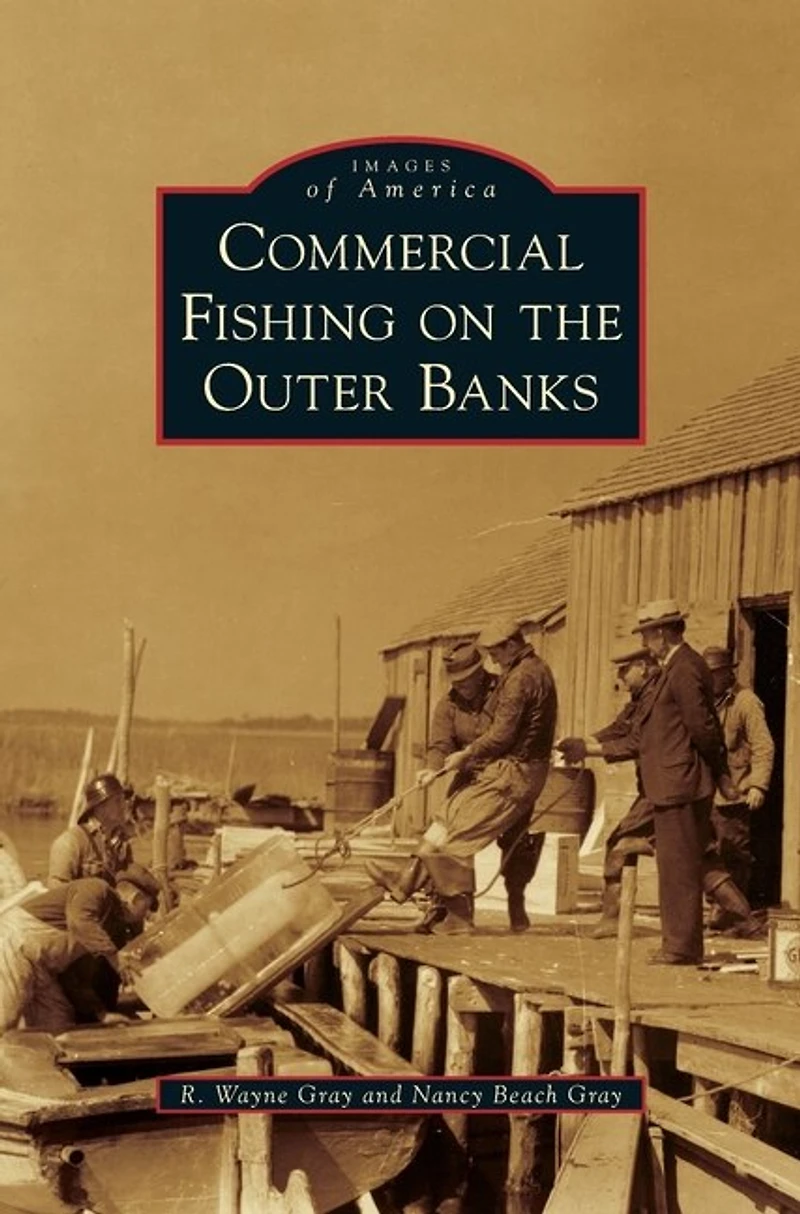
Commercial Fishing on the Outer Banks
Current price: $36.99

Commercial Fishing on the Outer Banks
Current price: $36.99
Loading Inventory...
Size: Hardcover
*Product information may vary - to confirm product availability, pricing, shipping and return information please contact Indigo
Fishing on the Outer Banks for subsistence began over 1,000 years ago with the Algonquin Indians, who made their summer camps on the islands. They came for the seafood and learned how to fish for various species during each season. Some of their fishing methods are still used by local watermen. The early settlers to the area were also fishers for sustenance. It was not until the Civil War, however, when they became commercial fishermen. Historic shad runs combined with the building of infrastructure such as an ice plant, roads, and bridges finally made possible the exportation of their catches to northern markets. In the 1950s, tourists started trickling in, and restaurants began dotting the landscape, promoting the consumption of fresh seafood. Today, in an economy ruled by tourism, fishing for profit still plays a strong role. What began in the 1660s with a shipment of 80 barrels of whale oil has continued to the present with internationally coveted catches of bluefin tuna. Although the fishing industry is threatened today as never before, commercial fishermen will continue to develop new markets and fight for their livelihoods.
Fishing on the Outer Banks for subsistence began over 1,000 years ago with the Algonquin Indians, who made their summer camps on the islands. They came for the seafood and learned how to fish for various species during each season. Some of their fishing methods are still used by local watermen. The early settlers to the area were also fishers for sustenance. It was not until the Civil War, however, when they became commercial fishermen. Historic shad runs combined with the building of infrastructure such as an ice plant, roads, and bridges finally made possible the exportation of their catches to northern markets. In the 1950s, tourists started trickling in, and restaurants began dotting the landscape, promoting the consumption of fresh seafood. Today, in an economy ruled by tourism, fishing for profit still plays a strong role. What began in the 1660s with a shipment of 80 barrels of whale oil has continued to the present with internationally coveted catches of bluefin tuna. Although the fishing industry is threatened today as never before, commercial fishermen will continue to develop new markets and fight for their livelihoods.
You May Also Like













More About Indigo at Erin Mills Town Centre
The largest book retailer in Canada also offers toys, music, home décor, gifts and lifestyle products. What's Inside...Books, Magazines, CD’s and DVD’s, Toys and Gifts, Home Accents, Electronics, Baby’s and Children’s Section, Bath and Body, Kitchen and Bedroom, Stationary Located outside in the exterior plaza.
5015 Glen Erin Dr, Mississauga, ON L5M 0R7, Canada
Find Indigo at Erin Mills Town Centre in Mississauga ON
Visit Indigo at Erin Mills Town Centre in Mississauga ON