

GIVE THE PERFECT GIFT
Erin Mills Town Centre Gift Cards are the perfect choice for your gift giving needs.Purchase gift cards at kiosks near the food court or centre court, at Guest Services, or click below to purchase online.PURCHASE HEREHome
Common Things: Commerce, Culture, And Ecology British Romantic Literature
Indigo
Loading Inventory...
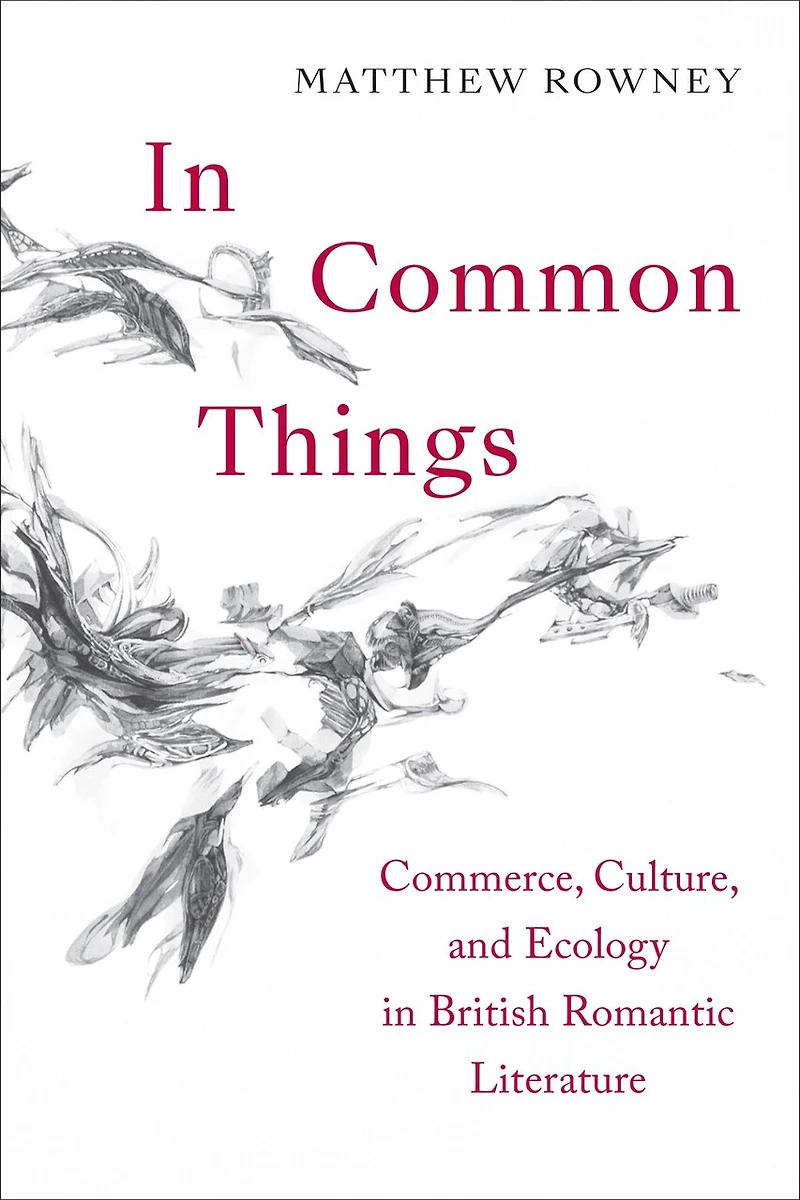
Common Things: Commerce, Culture, And Ecology British Romantic Literature
Current price: $80.45

Common Things: Commerce, Culture, And Ecology British Romantic Literature
Current price: $80.45
Loading Inventory...
Size: Hardcover
*Product information may vary - to confirm product availability, pricing, shipping and return information please contact Indigo
The hardness of stone, the pliancy of wood, the fluidity of palm oil, the crystalline nature of salt, and the vegetable qualities of moss – each describes a way of being in and understanding the world. These substances are both natural objects hailed in Romantic literature and global commodities within a system of extraction and exchange that has driven climate change, representing the paradox of the modern relation to materiality.
In Common Things examines these five common substances – stone, wood, oil, salt, and moss – in the literature of Romantic period authors, excavating their cultural, ecological, and commodity histories. The book argues that the substances and their histories have shaped cultural consciousness, and that Romantic era texts formally encode this shaping. Matthew Rowney draws together processes, beings, and things, both from the Romantic period and from our current ecological moment, to re-invoke a lost heritage of cultural relations with common substances.
Enabling a fresh reading of Romantic literature, In Common Things prompts a reevaluation of the simple, the everyday, and the common, in light of their contributions to our contemporary sense of ourselves and our societies.
The hardness of stone, the pliancy of wood, the fluidity of palm oil, the crystalline nature of salt, and the vegetable qualities of moss – each describes a way of being in and understanding the world. These substances are both natural objects hailed in Romantic literature and global commodities within a system of extraction and exchange that has driven climate change, representing the paradox of the modern relation to materiality.
In Common Things examines these five common substances – stone, wood, oil, salt, and moss – in the literature of Romantic period authors, excavating their cultural, ecological, and commodity histories. The book argues that the substances and their histories have shaped cultural consciousness, and that Romantic era texts formally encode this shaping. Matthew Rowney draws together processes, beings, and things, both from the Romantic period and from our current ecological moment, to re-invoke a lost heritage of cultural relations with common substances.
Enabling a fresh reading of Romantic literature, In Common Things prompts a reevaluation of the simple, the everyday, and the common, in light of their contributions to our contemporary sense of ourselves and our societies.
You May Also Like








More About Indigo at Erin Mills Town Centre
The largest book retailer in Canada also offers toys, music, home décor, gifts and lifestyle products. What's Inside...Books, Magazines, CD’s and DVD’s, Toys and Gifts, Home Accents, Electronics, Baby’s and Children’s Section, Bath and Body, Kitchen and Bedroom, Stationary Located outside in the exterior plaza.
5015 Glen Erin Dr, Mississauga, ON L5M 0R7, Canada
Find Indigo at Erin Mills Town Centre in Mississauga ON
Visit Indigo at Erin Mills Town Centre in Mississauga ON