

GIVE THE PERFECT GIFT
Erin Mills Town Centre Gift Cards are the perfect choice for your gift giving needs.Purchase gift cards at kiosks near the food court or centre court, at Guest Services, or click below to purchase online.PURCHASE HEREHome
Communal Deadlock And A Way To Solve It
Indigo
Loading Inventory...
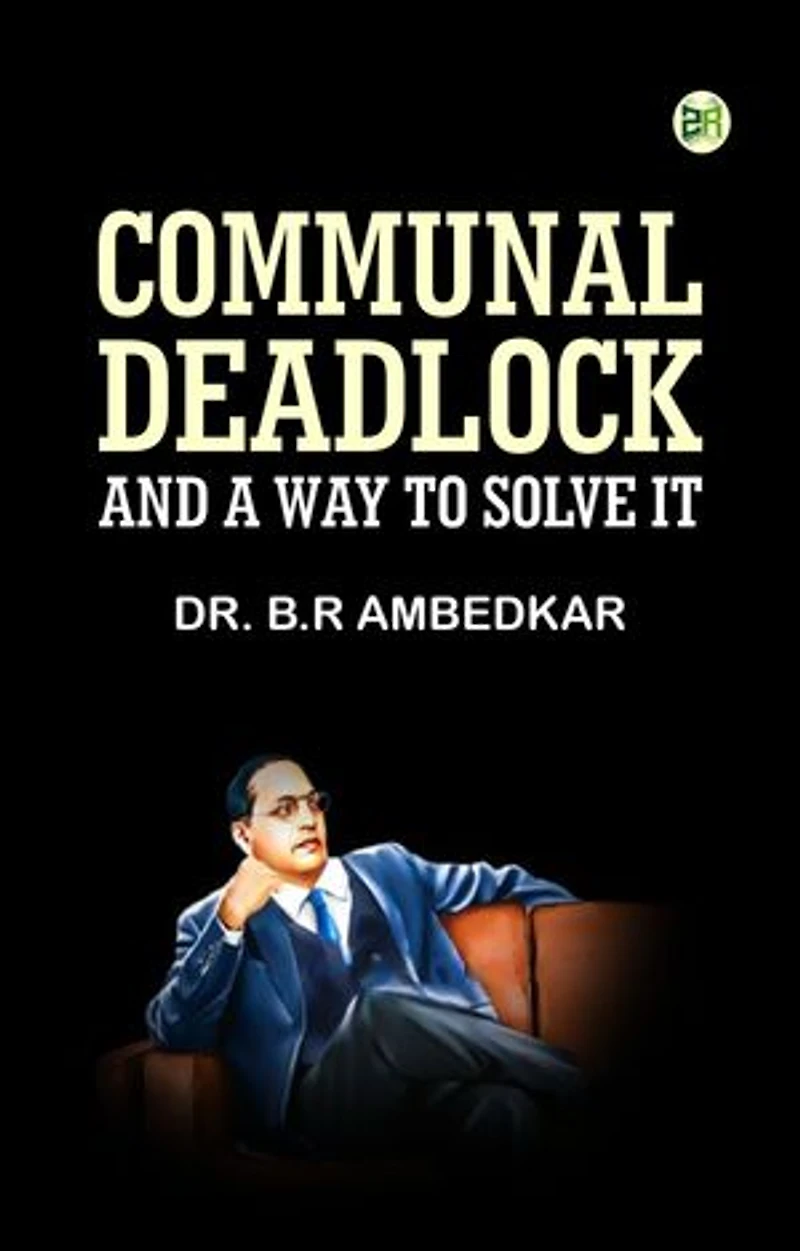
Communal Deadlock And A Way To Solve It
Current price: $1.32

Communal Deadlock And A Way To Solve It
Current price: $1.32
Loading Inventory...
Size: Kobo eBook
*Product information may vary - to confirm product availability, pricing, shipping and return information please contact Indigo
Ambedkar begins by analyzing the root causes of the communal deadlock, particularly the conflicting demands of Hindus and Muslims over representation and power-sharing. Muslims sought safeguards such as separate electorates and proportional representation to protect their minority status, while Hindus resisted these measures, arguing for a unified national identity. Ambedkar critiques both positions, highlighting the inadequacy of solutions that fail to address the realities of communal mistrust and inequality.Ambedkar proposes a radical but practical solution: the principle of political separation coupled with equal representation. He suggests that minorities, including Muslims, Christians, and Dalits, should have separate electorates to ensure their political autonomy, but with a cap on representation to prevent dominance by any single group. This arrangement, he argues, would balance the need for minority protection with the goal of national integration.
Ambedkar begins by analyzing the root causes of the communal deadlock, particularly the conflicting demands of Hindus and Muslims over representation and power-sharing. Muslims sought safeguards such as separate electorates and proportional representation to protect their minority status, while Hindus resisted these measures, arguing for a unified national identity. Ambedkar critiques both positions, highlighting the inadequacy of solutions that fail to address the realities of communal mistrust and inequality.Ambedkar proposes a radical but practical solution: the principle of political separation coupled with equal representation. He suggests that minorities, including Muslims, Christians, and Dalits, should have separate electorates to ensure their political autonomy, but with a cap on representation to prevent dominance by any single group. This arrangement, he argues, would balance the need for minority protection with the goal of national integration.
You May Also Like













More About Indigo at Erin Mills Town Centre
The largest book retailer in Canada also offers toys, music, home décor, gifts and lifestyle products. What's Inside...Books, Magazines, CD’s and DVD’s, Toys and Gifts, Home Accents, Electronics, Baby’s and Children’s Section, Bath and Body, Kitchen and Bedroom, Stationary Located outside in the exterior plaza.
5015 Glen Erin Dr, Mississauga, ON L5M 0R7, Canada
Find Indigo at Erin Mills Town Centre in Mississauga ON
Visit Indigo at Erin Mills Town Centre in Mississauga ON