

GIVE THE PERFECT GIFT
Erin Mills Town Centre Gift Cards are the perfect choice for your gift giving needs.Purchase gift cards at kiosks near the food court or centre court, at Guest Services, or click below to purchase online.PURCHASE HEREHome
Communal Luxury: The Political Imaginary Of Paris Commune
Indigo
Loading Inventory...
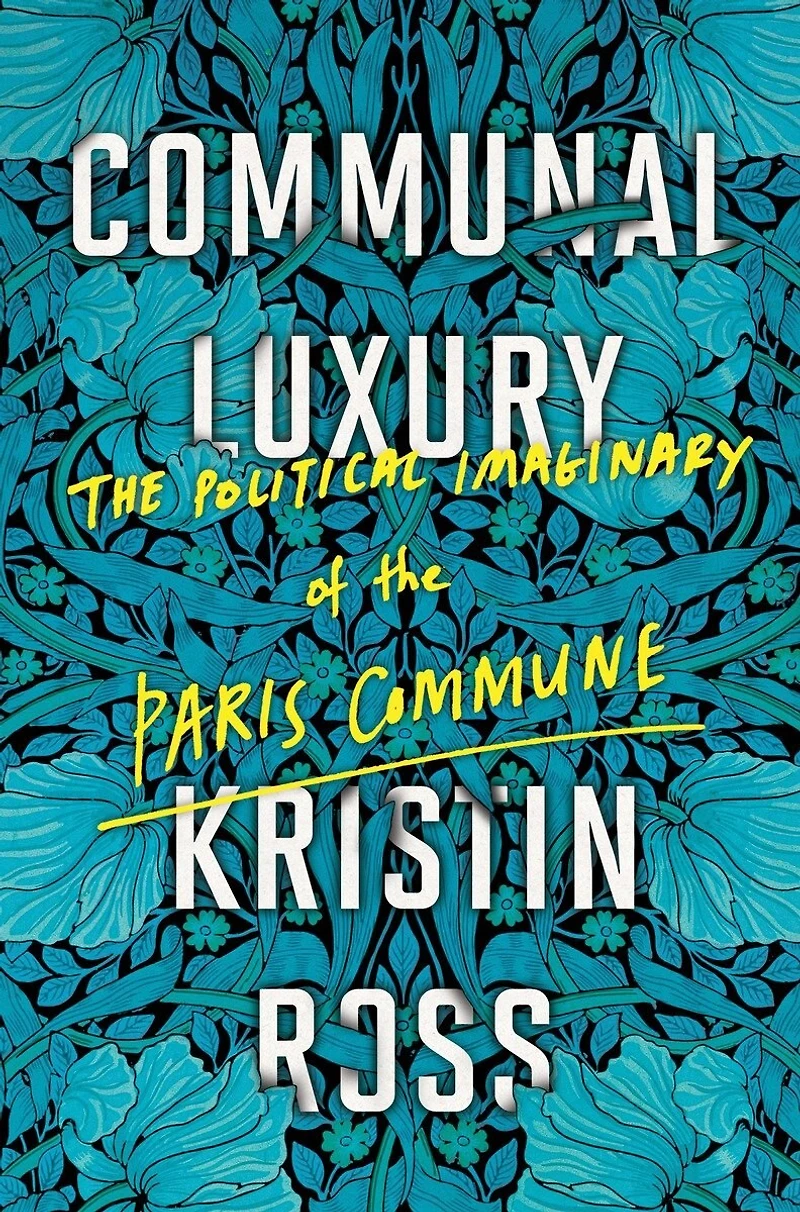
Communal Luxury: The Political Imaginary Of Paris Commune
Current price: $27.95

Communal Luxury: The Political Imaginary Of Paris Commune
Current price: $27.95
Loading Inventory...
Size: Hardcover
*Product information may vary - to confirm product availability, pricing, shipping and return information please contact Indigo
Reclaiming the legacy of the Paris Commune for the twenty-first century
Kristin Ross’s highly acclaimed work on the thought and culture of the Communard uprising of 1871 resonates with the motivations and actions of contemporary protest, which has found its most powerful expression in the reclamation of public space. Today’s concerns—internationalism, education, the future of labor, the status of art, and ecological theory and practice—frame and inform her carefully researched restaging of the words and actions of individual Communards. This original analysis of an event and its centrifugal effects brings to life the workers in Paris who became revolutionaries, the significance they attributed to their struggle, and the elaboration and continuation of their thought in the encounters that transpired between the insurrection’s survivors and supporters like Marx, Kropotkin, and William Morris.
The Paris Commune was a laboratory of political invention, important simply and above all for, as Marx reminds us, its own “working existence.” Communal Luxury allows readers to revisit the intricate workings of an extraordinary experiment.
Reclaiming the legacy of the Paris Commune for the twenty-first century
Kristin Ross’s highly acclaimed work on the thought and culture of the Communard uprising of 1871 resonates with the motivations and actions of contemporary protest, which has found its most powerful expression in the reclamation of public space. Today’s concerns—internationalism, education, the future of labor, the status of art, and ecological theory and practice—frame and inform her carefully researched restaging of the words and actions of individual Communards. This original analysis of an event and its centrifugal effects brings to life the workers in Paris who became revolutionaries, the significance they attributed to their struggle, and the elaboration and continuation of their thought in the encounters that transpired between the insurrection’s survivors and supporters like Marx, Kropotkin, and William Morris.
The Paris Commune was a laboratory of political invention, important simply and above all for, as Marx reminds us, its own “working existence.” Communal Luxury allows readers to revisit the intricate workings of an extraordinary experiment.
You May Also Like








More About Indigo at Erin Mills Town Centre
The largest book retailer in Canada also offers toys, music, home décor, gifts and lifestyle products. What's Inside...Books, Magazines, CD’s and DVD’s, Toys and Gifts, Home Accents, Electronics, Baby’s and Children’s Section, Bath and Body, Kitchen and Bedroom, Stationary Located outside in the exterior plaza.
5015 Glen Erin Dr, Mississauga, ON L5M 0R7, Canada
Find Indigo at Erin Mills Town Centre in Mississauga ON
Visit Indigo at Erin Mills Town Centre in Mississauga ON