

GIVE THE PERFECT GIFT
Erin Mills Town Centre Gift Cards are the perfect choice for your gift giving needs.Purchase gift cards at kiosks near the food court or centre court, at Guest Services, or click below to purchase online.PURCHASE HEREHome
Communication Modern Social Ordering: History and Philosophy
Indigo
Loading Inventory...
Communication Modern Social Ordering: History and Philosophy
Current price: $292.50

Communication Modern Social Ordering: History and Philosophy
Current price: $292.50
Loading Inventory...
Size: Hardcover
*Product information may vary - to confirm product availability, pricing, shipping and return information please contact Indigo
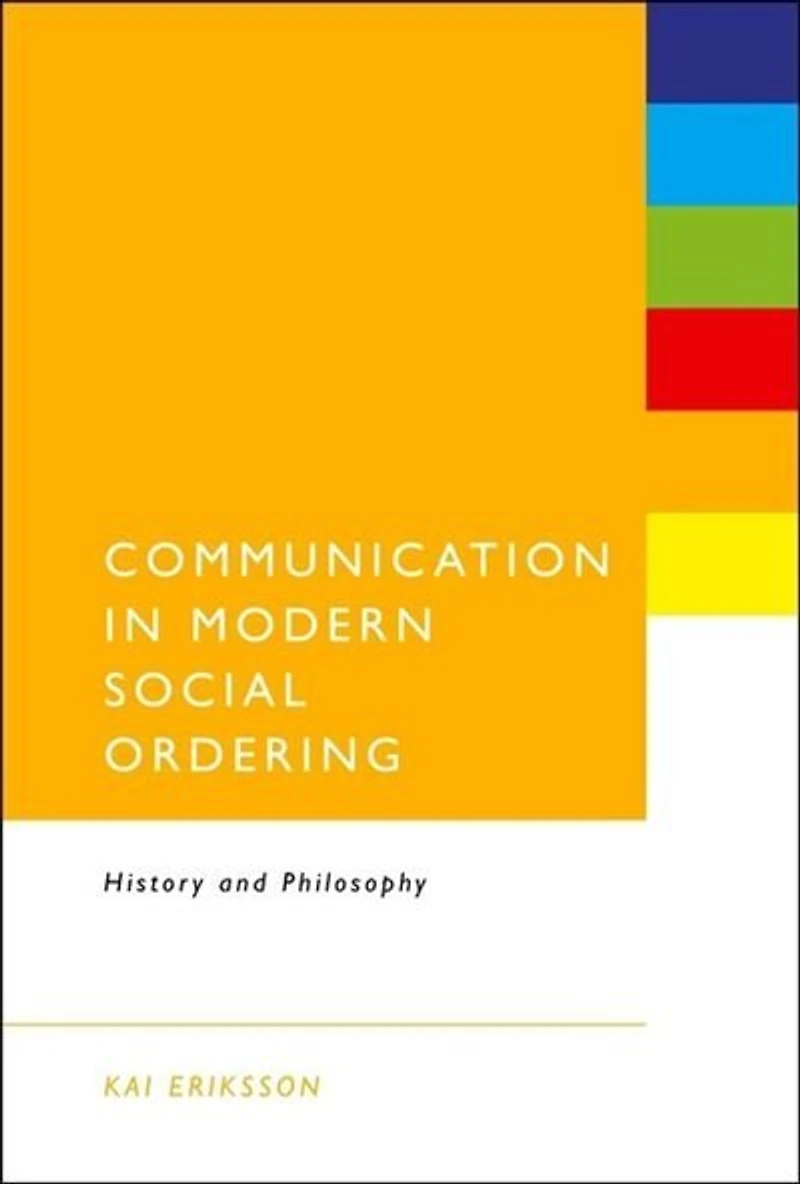
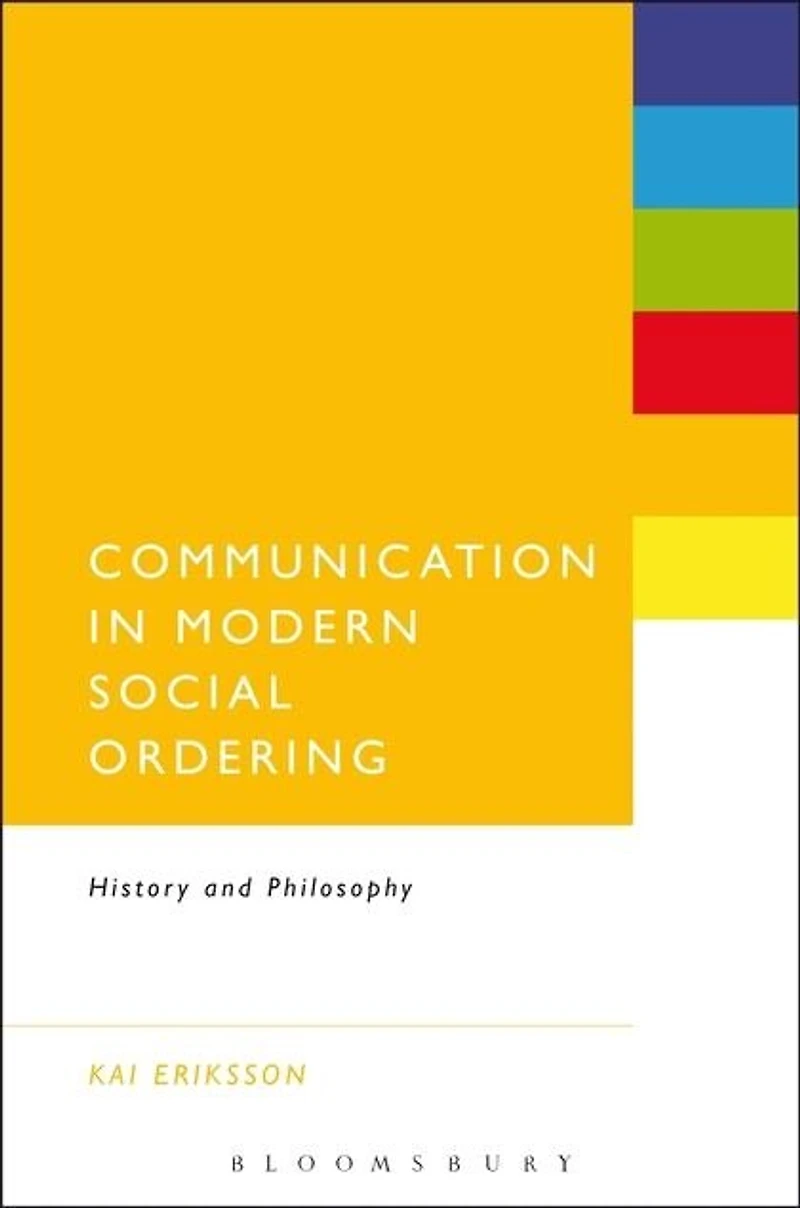
Communication in Modern Social Ordering investigates the modern history of communication in relation to the thinking of the political community in the United States. By illustrating the intertwining of the technological developments in communication methods and its community-building effects, the different representations of society and their political implications are examined against the development of communication systems from the telegraph, to the telephone, to computer networks. It was the telegraph that made communication a continual process, thus freeing it from the rhythmical motion of the postal service and from physical transportation in general, and provided both a model and a mechanism of control. Using the theories of both Foucault and Heidegger to provide a lens for new investigation, the author studies not the meanings of communication and its logic as such but rather the conditions and structures that allow meanings and logic to be formulated in the first place. The book offers an original combination of historical analysis with an ontological discussion of the evolution of telecommunications in the U.S. as a phenomenon of modern social ordering.
Communication in Modern Social Ordering investigates the modern history of communication in relation to the thinking of the political community in the United States. By illustrating the intertwining of the technological developments in communication methods and its community-building effects, the different representations of society and their political implications are examined against the development of communication systems from the telegraph, to the telephone, to computer networks. It was the telegraph that made communication a continual process, thus freeing it from the rhythmical motion of the postal service and from physical transportation in general, and provided both a model and a mechanism of control. Using the theories of both Foucault and Heidegger to provide a lens for new investigation, the author studies not the meanings of communication and its logic as such but rather the conditions and structures that allow meanings and logic to be formulated in the first place. The book offers an original combination of historical analysis with an ontological discussion of the evolution of telecommunications in the U.S. as a phenomenon of modern social ordering.
You May Also Like











More About Indigo at Erin Mills Town Centre
The largest book retailer in Canada also offers toys, music, home décor, gifts and lifestyle products. What's Inside...Books, Magazines, CD’s and DVD’s, Toys and Gifts, Home Accents, Electronics, Baby’s and Children’s Section, Bath and Body, Kitchen and Bedroom, Stationary Located outside in the exterior plaza.
5015 Glen Erin Dr, Mississauga, ON L5M 0R7, Canada
Find Indigo at Erin Mills Town Centre in Mississauga ON
Visit Indigo at Erin Mills Town Centre in Mississauga ON