

GIVE THE PERFECT GIFT
Erin Mills Town Centre Gift Cards are the perfect choice for your gift giving needs.Purchase gift cards at kiosks near the food court or centre court, at Guest Services, or click below to purchase online.PURCHASE HEREHome
Comparative and International Education (Re)Assembled: Examining a Scholarly Field through an Assemblage Theory Lens
Indigo
Loading Inventory...
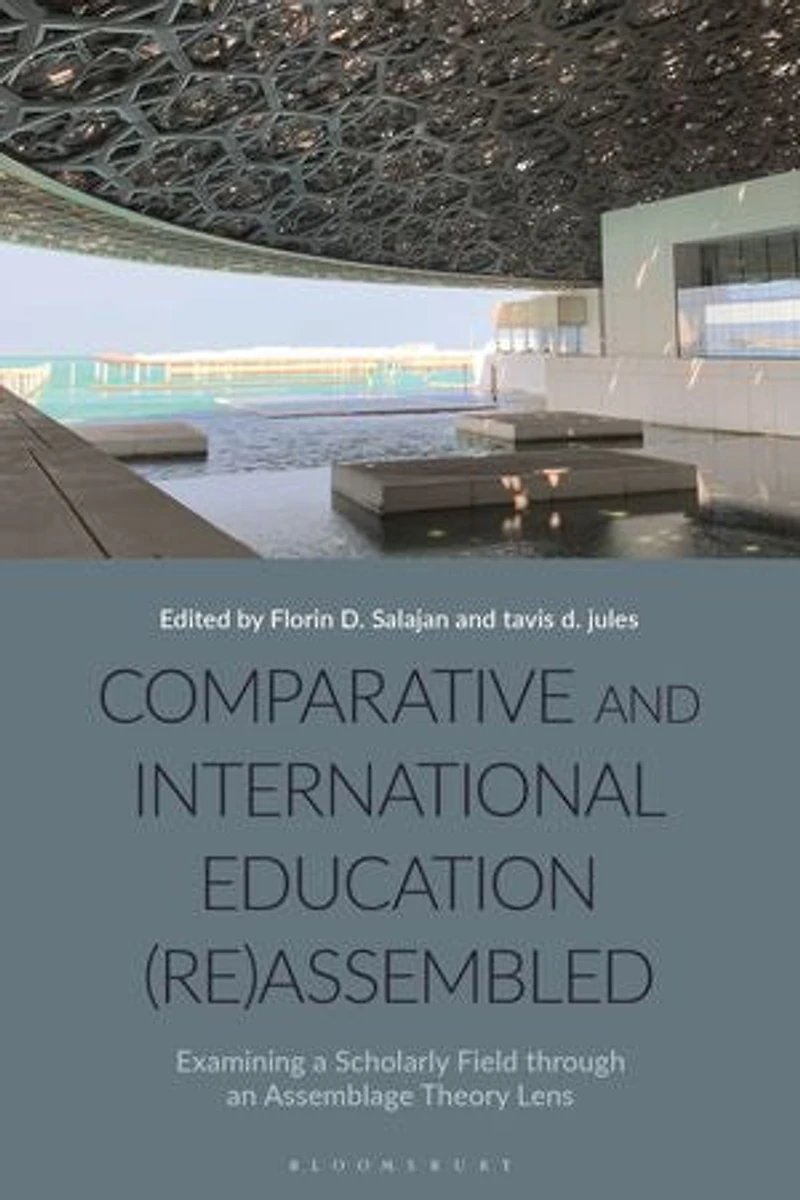
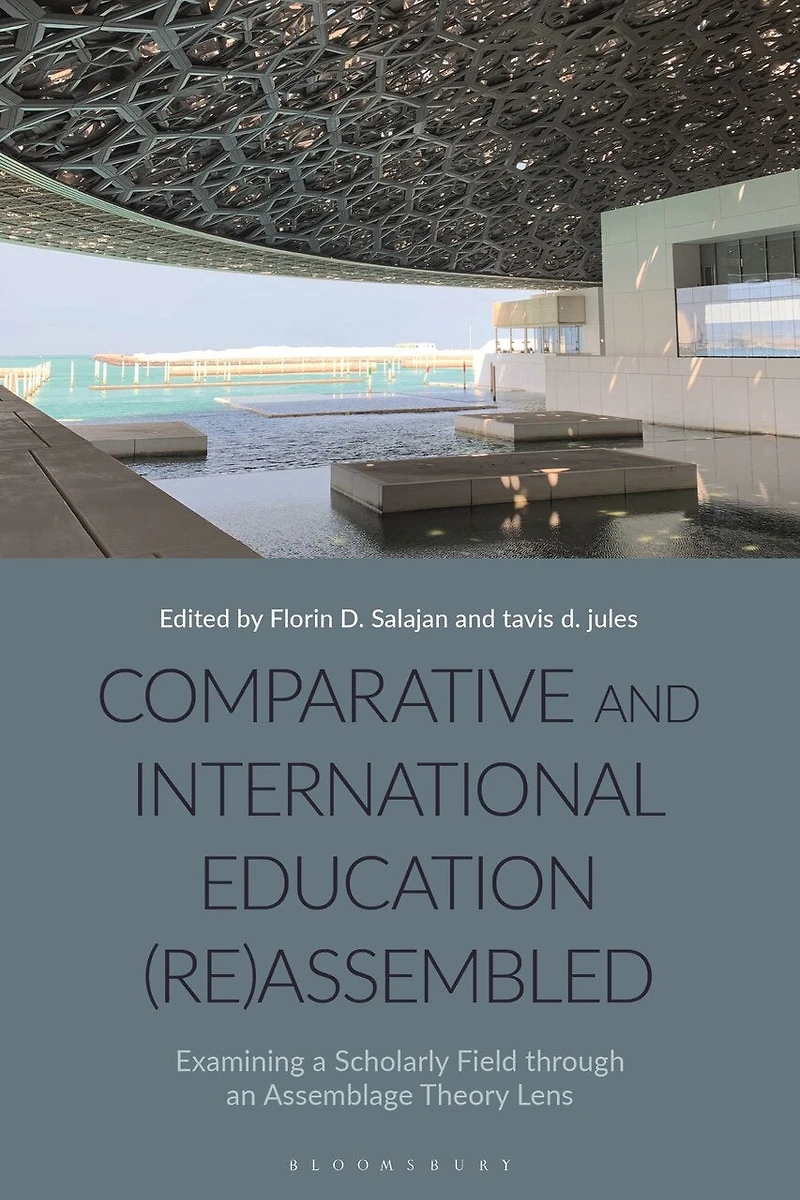
Comparative and International Education (Re)Assembled: Examining a Scholarly Field through an Assemblage Theory Lens
Current price: $43.19
Original price: $53.95

Comparative and International Education (Re)Assembled: Examining a Scholarly Field through an Assemblage Theory Lens
Current price: $43.19
Original price: $53.95
Loading Inventory...
Size: Kobo eBook
*Product information may vary - to confirm product availability, pricing, shipping and return information please contact Indigo
Drawing on a post-foundational approach to Deleuze and Guattari's seminal work on assemblage theory, this book explores the scholarly field of comparative and international education (CIE). Written by a diverse collection of international scholars from Australia, Ireland, Italy, Malaysia, South Africa, Sweden, Switzerland, the UK and the USA, the chapters use the assemblage paradigm as an analytical tool to examine the continuously evolving field of CIE. The theoretical chapters unpack assemblage theory and its core components, whilst others draw on examples and international case studies to show how assemblage theory could be applied to future CIE research. The field of CIE is prone to constant (re)configurations and this book casts the shaping of the field in a fresh light, prompting new discussions on the field's variability and flexibility.
Drawing on a post-foundational approach to Deleuze and Guattari's seminal work on assemblage theory, this book explores the scholarly field of comparative and international education (CIE). Written by a diverse collection of international scholars from Australia, Ireland, Italy, Malaysia, South Africa, Sweden, Switzerland, the UK and the USA, the chapters use the assemblage paradigm as an analytical tool to examine the continuously evolving field of CIE. The theoretical chapters unpack assemblage theory and its core components, whilst others draw on examples and international case studies to show how assemblage theory could be applied to future CIE research. The field of CIE is prone to constant (re)configurations and this book casts the shaping of the field in a fresh light, prompting new discussions on the field's variability and flexibility.
You May Also Like







More About Indigo at Erin Mills Town Centre
The largest book retailer in Canada also offers toys, music, home décor, gifts and lifestyle products. What's Inside...Books, Magazines, CD’s and DVD’s, Toys and Gifts, Home Accents, Electronics, Baby’s and Children’s Section, Bath and Body, Kitchen and Bedroom, Stationary Located outside in the exterior plaza.
5015 Glen Erin Dr, Mississauga, ON L5M 0R7, Canada
Find Indigo at Erin Mills Town Centre in Mississauga ON
Visit Indigo at Erin Mills Town Centre in Mississauga ON