

GIVE THE PERFECT GIFT
Erin Mills Town Centre Gift Cards are the perfect choice for your gift giving needs.Purchase gift cards at kiosks near the food court or centre court, at Guest Services, or click below to purchase online.PURCHASE HEREHome
Comparative Studies in Educational Policy Analysis
Indigo
Loading Inventory...
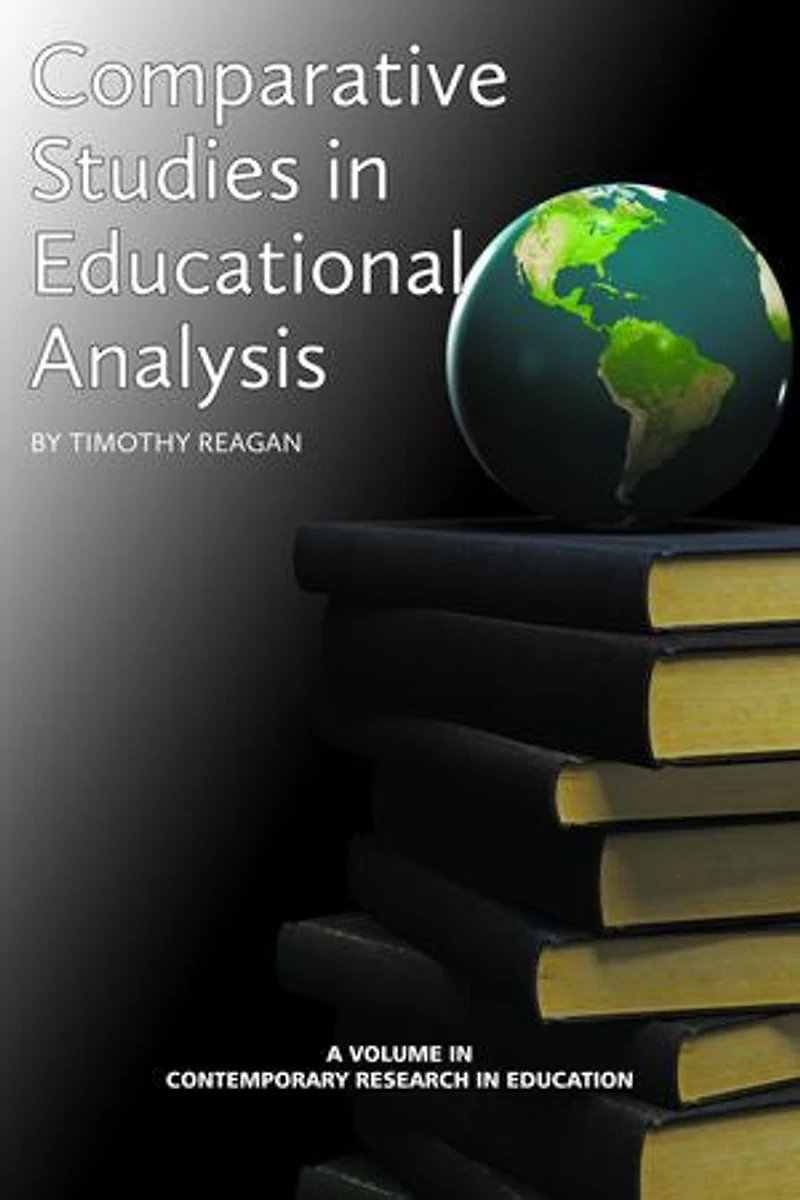
Comparative Studies in Educational Policy Analysis
Current price: $52.19
Original price: $65.15

Comparative Studies in Educational Policy Analysis
Current price: $52.19
Original price: $65.15
Loading Inventory...
Size: Kobo eBook
*Product information may vary - to confirm product availability, pricing, shipping and return information please contact Indigo
This book has a pedagogical goal in mind; it is not a scholarly work so much as an applied text informed by scholarship and research. The book’s goal is to provide individuals who are teaching courses in comparative and international education, educational administration, educational policy, and politics of education with a supplementary text that can be used to help their students develop skills in policy analysis, evaluation and development. As is explained in the book, the problem that we face with respect to having students engage in “hands-on” study of particular cases is that by focusing on real cases, students are faced with either virtually unlimited data, or insufficient data (or, indeed, paradoxically with both problems). In addition, students come to such cases with all sorts of preconceptions that can cloud judgment in a host of ways. By making use of fictitious case studies, though, we can carefully limit the amount of data with which students need to deal, and we can also minimize the challenges presented by the “baggage” that students might bring with them about particular real nations.
This book has a pedagogical goal in mind; it is not a scholarly work so much as an applied text informed by scholarship and research. The book’s goal is to provide individuals who are teaching courses in comparative and international education, educational administration, educational policy, and politics of education with a supplementary text that can be used to help their students develop skills in policy analysis, evaluation and development. As is explained in the book, the problem that we face with respect to having students engage in “hands-on” study of particular cases is that by focusing on real cases, students are faced with either virtually unlimited data, or insufficient data (or, indeed, paradoxically with both problems). In addition, students come to such cases with all sorts of preconceptions that can cloud judgment in a host of ways. By making use of fictitious case studies, though, we can carefully limit the amount of data with which students need to deal, and we can also minimize the challenges presented by the “baggage” that students might bring with them about particular real nations.
You May Also Like









More About Indigo at Erin Mills Town Centre
The largest book retailer in Canada also offers toys, music, home décor, gifts and lifestyle products. What's Inside...Books, Magazines, CD’s and DVD’s, Toys and Gifts, Home Accents, Electronics, Baby’s and Children’s Section, Bath and Body, Kitchen and Bedroom, Stationary Located outside in the exterior plaza.
5015 Glen Erin Dr, Mississauga, ON L5M 0R7, Canada
Find Indigo at Erin Mills Town Centre in Mississauga ON
Visit Indigo at Erin Mills Town Centre in Mississauga ON