

GIVE THE PERFECT GIFT
Erin Mills Town Centre Gift Cards are the perfect choice for your gift giving needs.Purchase gift cards at kiosks near the food court or centre court, at Guest Services, or click below to purchase online.PURCHASE HEREHome
Competing for Foreign Aid: The Congressional Roots of Bureaucratic Fragmentation
Indigo
Loading Inventory...
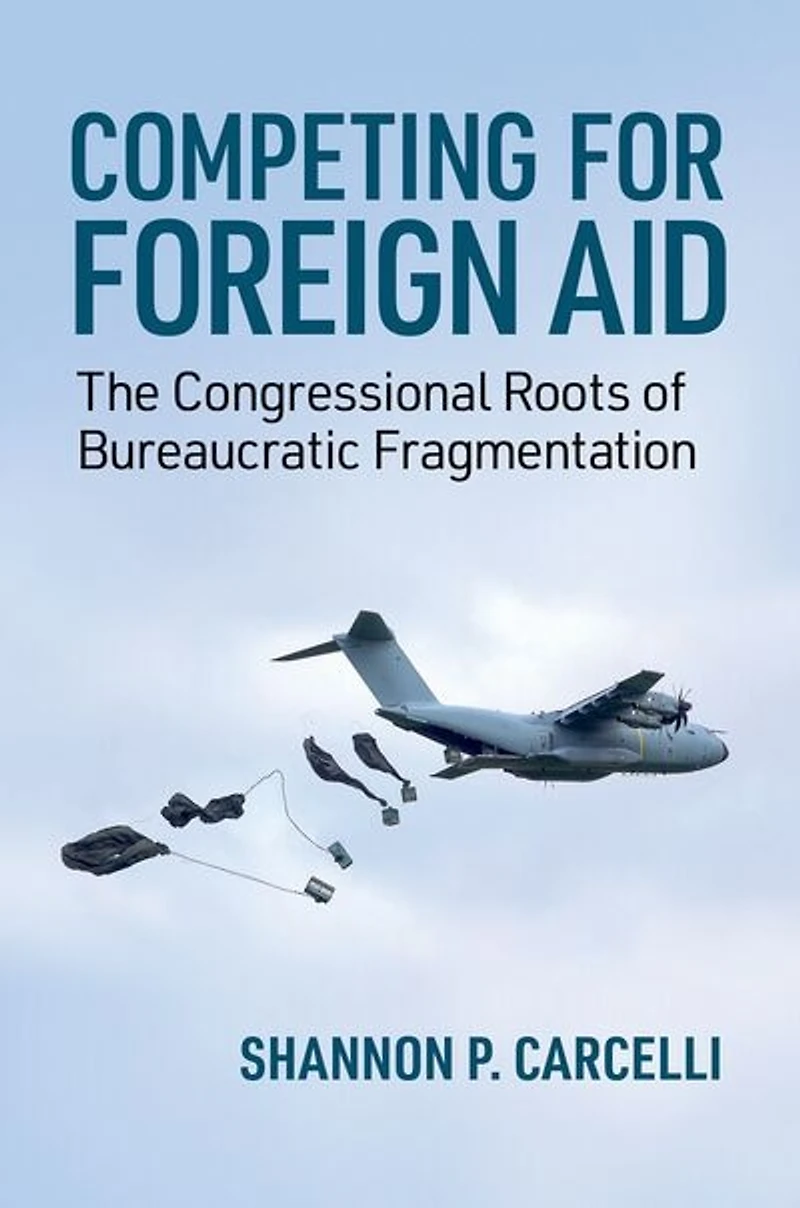
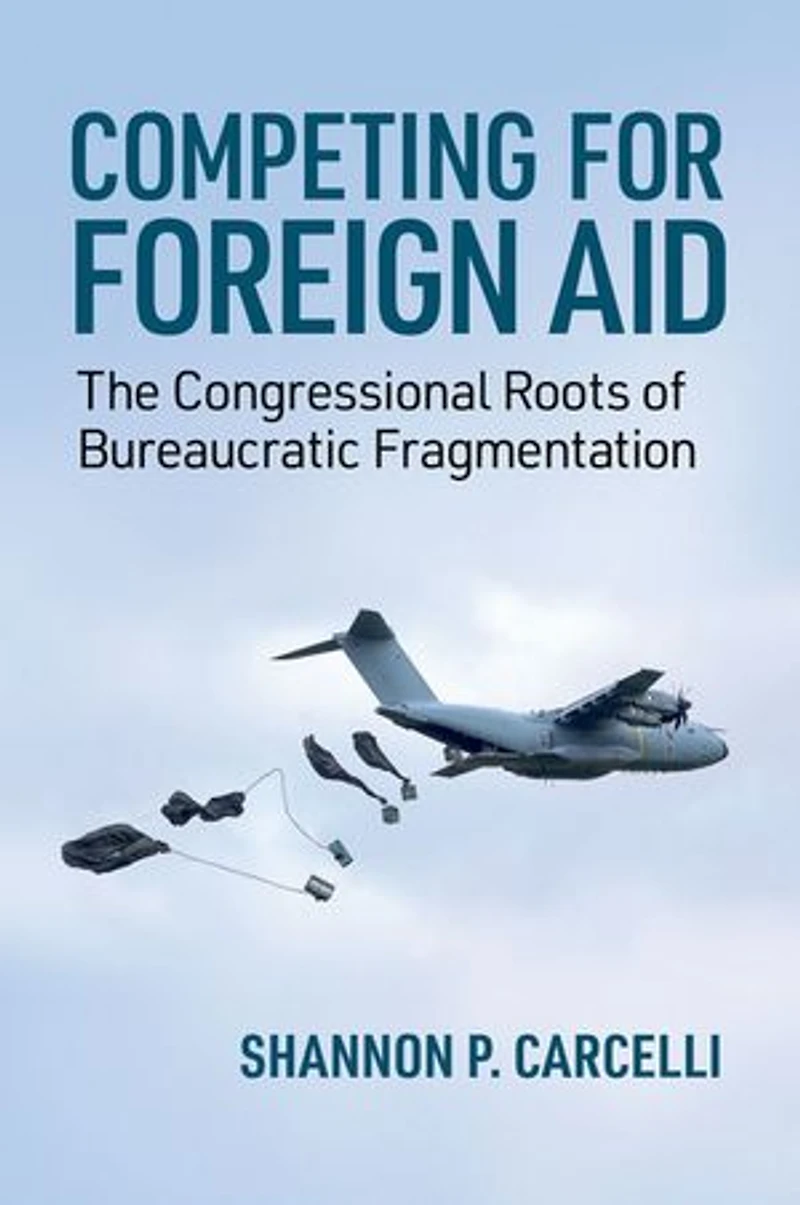
Competing for Foreign Aid: The Congressional Roots of Bureaucratic Fragmentation
Current price: $120.90

Competing for Foreign Aid: The Congressional Roots of Bureaucratic Fragmentation
Current price: $120.90
Loading Inventory...
Size: Hardcover
*Product information may vary - to confirm product availability, pricing, shipping and return information please contact Indigo
Every year, the United States authorizes dozens of bureaucracies to craft and implement foreign policy. This fragmentation of authority can result in chaos and infighting when agencies fail to communicate or outright undermine each other. Conventional wisdom considers the president to be the primary actor in US foreign policy, overlooking the extent of this bureaucratic turmoil. Why does the US government create a foreign policy apparatus that is so fragmented as to undermine its own leadership? In Competing for Foreign Aid , Shannon P. Carcelli argues that bureaucratic fragmentation is an unintended byproduct of the foreign policy-making process. To unpack the black box of foreign policy, Carcelli traces Congress's role in policy incoherence, infighting, and fragmentation in the realm of foreign aid policy. Rather than a centrally driven plan, she explains that foreign policy is better understood as an uneasy compromise between domestic interests that do not always align with ideological or economic preferences. Her theory proposes two factors that lead to fragmentation: congressional interest and disunity. Interestingly, as Carcelli shows, Congress is often the least capable of legislating effectively in the areas where its members care most about policy effectiveness. This is because congressional interest in foreign policy incentivizes micromanagement, territorial disputes, and favoritism. Combining qualitative process-tracing with a quantitative analysis of legislative voting, Competing for Foreign Aid provides a deep dive into Congress's role in shaping--and often misshaping--the foreign aid bureaucracy.
Every year, the United States authorizes dozens of bureaucracies to craft and implement foreign policy. This fragmentation of authority can result in chaos and infighting when agencies fail to communicate or outright undermine each other. Conventional wisdom considers the president to be the primary actor in US foreign policy, overlooking the extent of this bureaucratic turmoil. Why does the US government create a foreign policy apparatus that is so fragmented as to undermine its own leadership? In Competing for Foreign Aid , Shannon P. Carcelli argues that bureaucratic fragmentation is an unintended byproduct of the foreign policy-making process. To unpack the black box of foreign policy, Carcelli traces Congress's role in policy incoherence, infighting, and fragmentation in the realm of foreign aid policy. Rather than a centrally driven plan, she explains that foreign policy is better understood as an uneasy compromise between domestic interests that do not always align with ideological or economic preferences. Her theory proposes two factors that lead to fragmentation: congressional interest and disunity. Interestingly, as Carcelli shows, Congress is often the least capable of legislating effectively in the areas where its members care most about policy effectiveness. This is because congressional interest in foreign policy incentivizes micromanagement, territorial disputes, and favoritism. Combining qualitative process-tracing with a quantitative analysis of legislative voting, Competing for Foreign Aid provides a deep dive into Congress's role in shaping--and often misshaping--the foreign aid bureaucracy.
You May Also Like










More About Indigo at Erin Mills Town Centre
The largest book retailer in Canada also offers toys, music, home décor, gifts and lifestyle products. What's Inside...Books, Magazines, CD’s and DVD’s, Toys and Gifts, Home Accents, Electronics, Baby’s and Children’s Section, Bath and Body, Kitchen and Bedroom, Stationary Located outside in the exterior plaza.
5015 Glen Erin Dr, Mississauga, ON L5M 0R7, Canada
Find Indigo at Erin Mills Town Centre in Mississauga ON
Visit Indigo at Erin Mills Town Centre in Mississauga ON