

GIVE THE PERFECT GIFT
Erin Mills Town Centre Gift Cards are the perfect choice for your gift giving needs.Purchase gift cards at kiosks near the food court or centre court, at Guest Services, or click below to purchase online.PURCHASE HEREHome
Complexity, Emergence, and Causality in Applied Linguistics
Indigo
Loading Inventory...
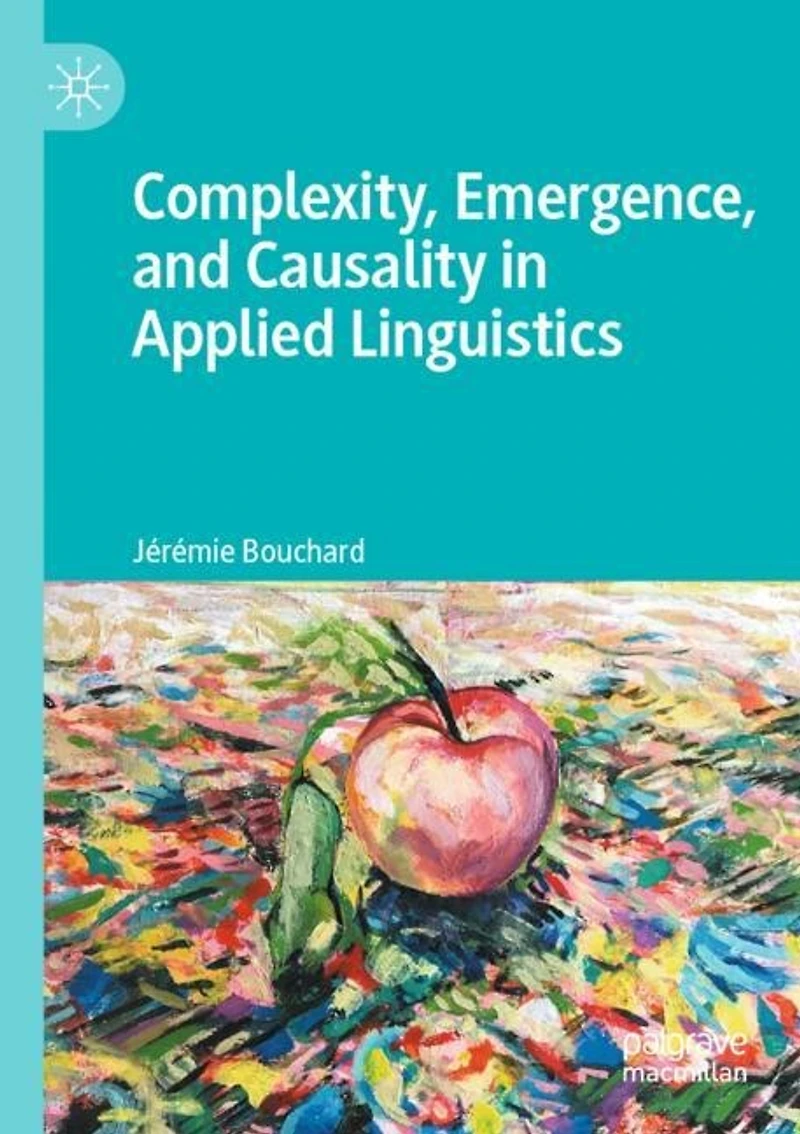
Complexity, Emergence, and Causality in Applied Linguistics
Current price: $189.95

Complexity, Emergence, and Causality in Applied Linguistics
Current price: $189.95
Loading Inventory...
Size: Paperback
*Product information may vary - to confirm product availability, pricing, shipping and return information please contact Indigo
This book suggests that applied linguistics research is inherently concerned with complexity, emergence and causality, and because of this it also requires a robust social ontology. The book identifies and unpacks a range of conceptual issues in applied linguistics from a social realist perspective, and provides a critique of successionism and interpretivism as two dominant and enduring empiricist tendencies in the field. From this critique, it considers the emergence of complex dynamic system theory as viable yet not entirely unproblematic conceptual sophistication of current applied linguistics research. Although the growing popularity of complex dynamic system theory is undeniable and understandable, this book argues that its integration within a social realist ontology is necessary for further developments in the field. The book will be of interest to applied linguists and social scientists interested in language-related issues including language learning and teaching, languagechange, language policy and planning, bilingualism/multilingualism, and language and identity.
This book suggests that applied linguistics research is inherently concerned with complexity, emergence and causality, and because of this it also requires a robust social ontology. The book identifies and unpacks a range of conceptual issues in applied linguistics from a social realist perspective, and provides a critique of successionism and interpretivism as two dominant and enduring empiricist tendencies in the field. From this critique, it considers the emergence of complex dynamic system theory as viable yet not entirely unproblematic conceptual sophistication of current applied linguistics research. Although the growing popularity of complex dynamic system theory is undeniable and understandable, this book argues that its integration within a social realist ontology is necessary for further developments in the field. The book will be of interest to applied linguists and social scientists interested in language-related issues including language learning and teaching, languagechange, language policy and planning, bilingualism/multilingualism, and language and identity.
You May Also Like










More About Indigo at Erin Mills Town Centre
The largest book retailer in Canada also offers toys, music, home décor, gifts and lifestyle products. What's Inside...Books, Magazines, CD’s and DVD’s, Toys and Gifts, Home Accents, Electronics, Baby’s and Children’s Section, Bath and Body, Kitchen and Bedroom, Stationary Located outside in the exterior plaza.
5015 Glen Erin Dr, Mississauga, ON L5M 0R7, Canada
Find Indigo at Erin Mills Town Centre in Mississauga ON
Visit Indigo at Erin Mills Town Centre in Mississauga ON