

GIVE THE PERFECT GIFT
Erin Mills Town Centre Gift Cards are the perfect choice for your gift giving needs.Purchase gift cards at kiosks near the food court or centre court, at Guest Services, or click below to purchase online.PURCHASE HEREHome
Compositional Intelligence: Architectural Typology through Generative AI
Indigo
Loading Inventory...
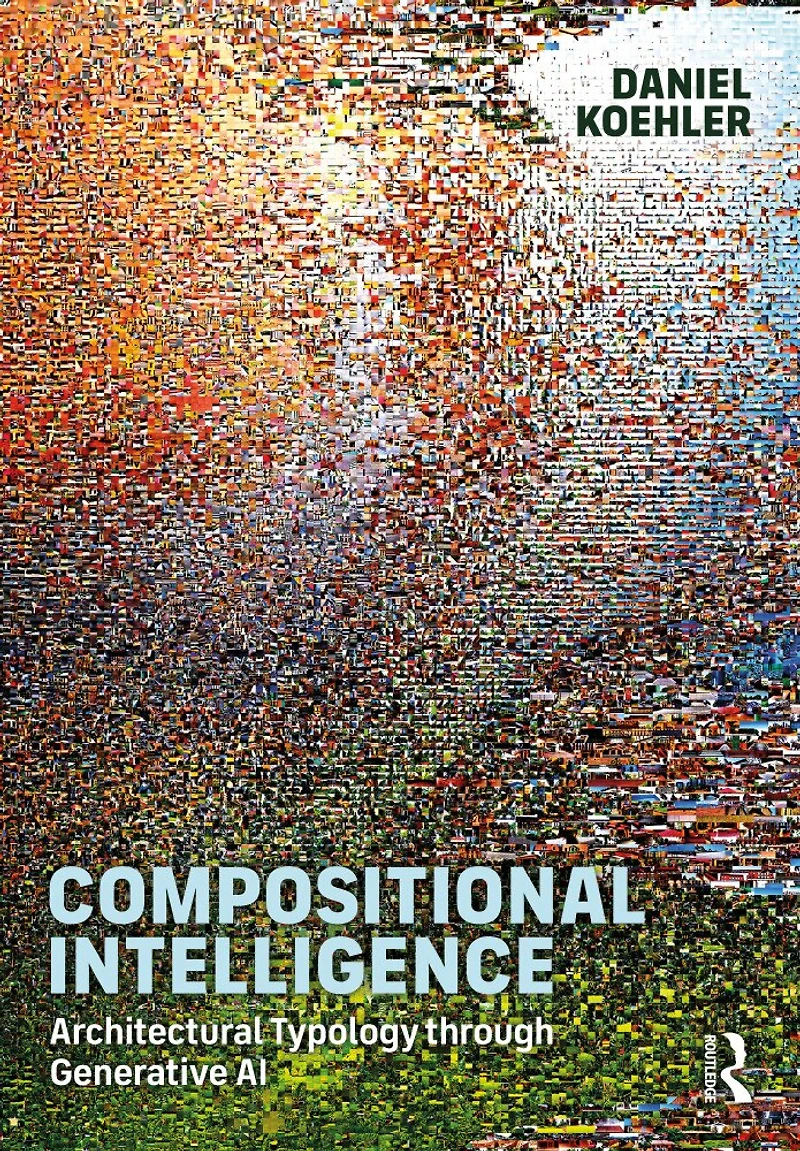
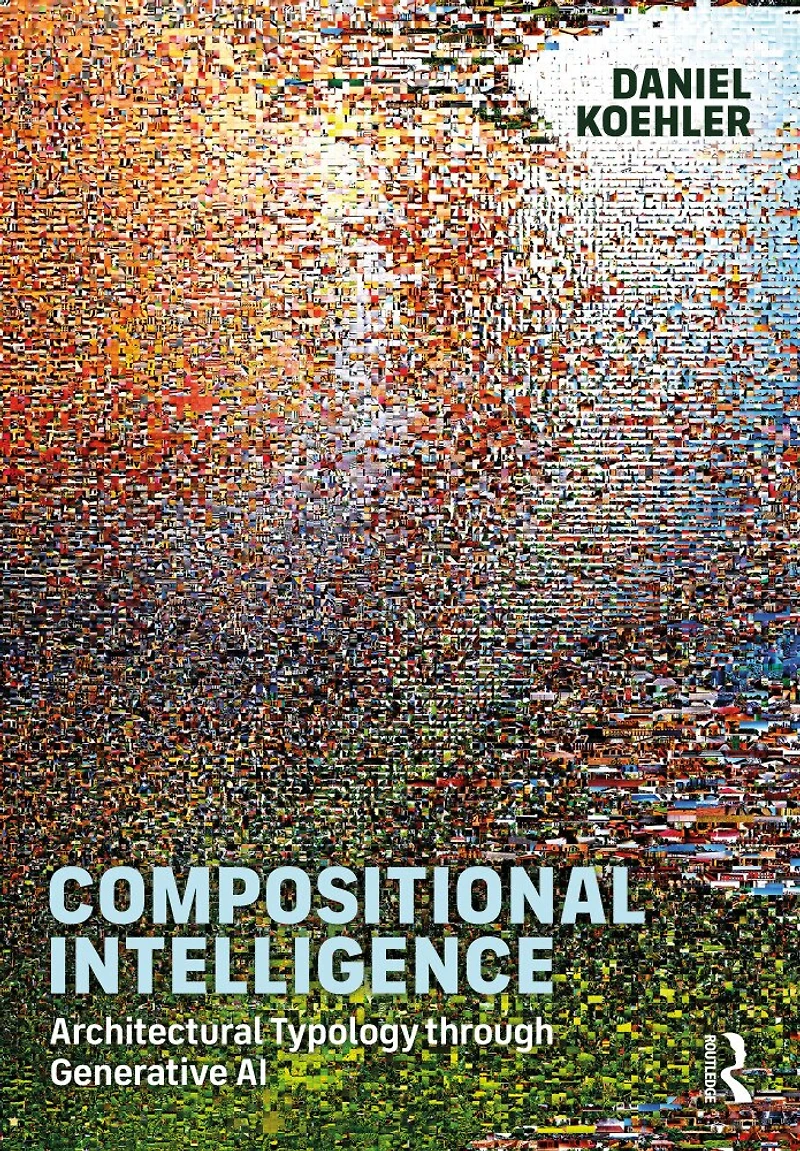
Compositional Intelligence: Architectural Typology through Generative AI
Current price: $296.50

Compositional Intelligence: Architectural Typology through Generative AI
Current price: $296.50
Loading Inventory...
Size: Hardcover
*Product information may vary - to confirm product availability, pricing, shipping and return information please contact Indigo
*With a foreword by Mario Carpo* Given the extensive data sources represented by urban environments, this book investigates the potential of architecting for cities using large-scale models - the technological underpinning of Generative AI. Koehler examines Large Language Models (LLMs) in relation to architectural questions of typology - those critical junctures where architecture engages with the city itself. Typology becomes the interface between an AI model and its modeled audiences, represented languages, and scales of operation. The investigation reveals how LLMs represent a fundamental shift from comprehending discrete elements to understanding entire languages - introducing a stochastic perspective that transforms how we read and shape urban reality. At the heart of this framework lies the concept of "inductive types" - threshold interfaces that superpose multiple value regimes and actively reconfigure themselves in response to changing urban conditions. By treating architecture as a form of representational materialism rather than a fixed language, designers can engage with complex urban systems while maintaining critical agency. This approach envisions architecture as an embedding of languages, where buildings become processors of information that compute through their spatial arrangements. The synthetic knowledge produced by LLMs enables access to plural values and stakeholder perspectives, allowing architects to participate in broader material ecologies through computational superposition rather than traditional dialectical methods. Providing a robust theoretical framework as well as practical insights into how architects can adapt their notational tools and design processes to embrace AI, this will be an essential read for any practicing or researching architect or urban designer interested in the implications of AI on the built environment.
*With a foreword by Mario Carpo* Given the extensive data sources represented by urban environments, this book investigates the potential of architecting for cities using large-scale models - the technological underpinning of Generative AI. Koehler examines Large Language Models (LLMs) in relation to architectural questions of typology - those critical junctures where architecture engages with the city itself. Typology becomes the interface between an AI model and its modeled audiences, represented languages, and scales of operation. The investigation reveals how LLMs represent a fundamental shift from comprehending discrete elements to understanding entire languages - introducing a stochastic perspective that transforms how we read and shape urban reality. At the heart of this framework lies the concept of "inductive types" - threshold interfaces that superpose multiple value regimes and actively reconfigure themselves in response to changing urban conditions. By treating architecture as a form of representational materialism rather than a fixed language, designers can engage with complex urban systems while maintaining critical agency. This approach envisions architecture as an embedding of languages, where buildings become processors of information that compute through their spatial arrangements. The synthetic knowledge produced by LLMs enables access to plural values and stakeholder perspectives, allowing architects to participate in broader material ecologies through computational superposition rather than traditional dialectical methods. Providing a robust theoretical framework as well as practical insights into how architects can adapt their notational tools and design processes to embrace AI, this will be an essential read for any practicing or researching architect or urban designer interested in the implications of AI on the built environment.
You May Also Like








More About Indigo at Erin Mills Town Centre
The largest book retailer in Canada also offers toys, music, home décor, gifts and lifestyle products. What's Inside...Books, Magazines, CD’s and DVD’s, Toys and Gifts, Home Accents, Electronics, Baby’s and Children’s Section, Bath and Body, Kitchen and Bedroom, Stationary Located outside in the exterior plaza.
5015 Glen Erin Dr, Mississauga, ON L5M 0R7, Canada
Find Indigo at Erin Mills Town Centre in Mississauga ON
Visit Indigo at Erin Mills Town Centre in Mississauga ON