

GIVE THE PERFECT GIFT
Erin Mills Town Centre Gift Cards are the perfect choice for your gift giving needs.Purchase gift cards at kiosks near the food court or centre court, at Guest Services, or click below to purchase online.PURCHASE HEREHome
Computational Approaches to the Study of Movement in Archaeology: Theory, Practice and Interpretation of Factors and Effects of Long Term Landscape Formation and Transformation
Indigo
Loading Inventory...
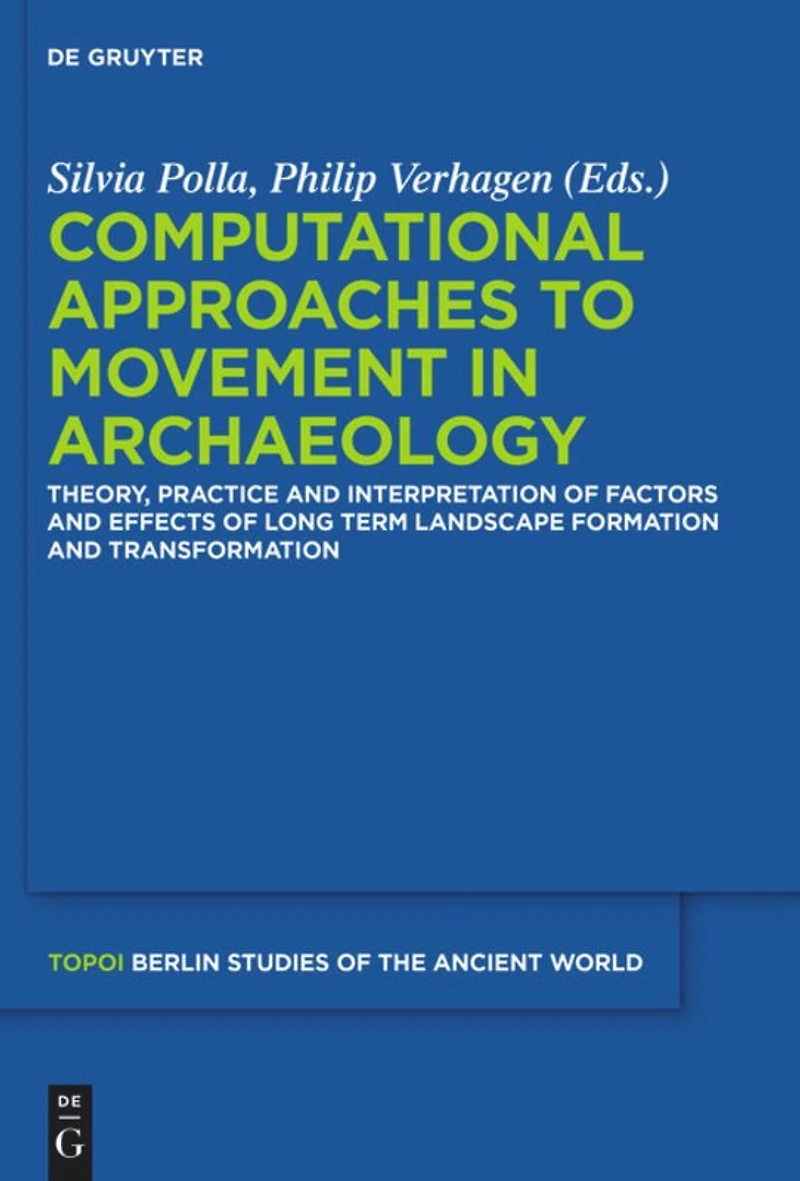
Computational Approaches to the Study of Movement in Archaeology: Theory, Practice and Interpretation of Factors and Effects of Long Term Landscape Formation and Transformation
Current price: $154.99

Computational Approaches to the Study of Movement in Archaeology: Theory, Practice and Interpretation of Factors and Effects of Long Term Landscape Formation and Transformation
Current price: $154.99
Loading Inventory...
Size: Hardcover
*Product information may vary - to confirm product availability, pricing, shipping and return information please contact Indigo
This book contains a collection of papers discussing questions related to space and movement in the framework of computational archaeology, landscape archaeology, historical geography and archaeological theory. The contributions, written by recognized experts in the field, show how the study of settlements pattern and movement has been dramatically transformed by the use of technology like Geographic Information System (GIS). The papers focus on the ways to approach past movement using GIS in archaeological landscape studies: theoretical, technical and interpretative issues are addressed and explored. They provide the state of the art in theory and methodology and show, by using case studies, the potential of the developed approaches for the understanding of factors and effects of landscape formation and transformation in the long term.
This book contains a collection of papers discussing questions related to space and movement in the framework of computational archaeology, landscape archaeology, historical geography and archaeological theory. The contributions, written by recognized experts in the field, show how the study of settlements pattern and movement has been dramatically transformed by the use of technology like Geographic Information System (GIS). The papers focus on the ways to approach past movement using GIS in archaeological landscape studies: theoretical, technical and interpretative issues are addressed and explored. They provide the state of the art in theory and methodology and show, by using case studies, the potential of the developed approaches for the understanding of factors and effects of landscape formation and transformation in the long term.
You May Also Like














More About Indigo at Erin Mills Town Centre
The largest book retailer in Canada also offers toys, music, home décor, gifts and lifestyle products. What's Inside...Books, Magazines, CD’s and DVD’s, Toys and Gifts, Home Accents, Electronics, Baby’s and Children’s Section, Bath and Body, Kitchen and Bedroom, Stationary Located outside in the exterior plaza.
5015 Glen Erin Dr, Mississauga, ON L5M 0R7, Canada
Find Indigo at Erin Mills Town Centre in Mississauga ON
Visit Indigo at Erin Mills Town Centre in Mississauga ON