

GIVE THE PERFECT GIFT
Erin Mills Town Centre Gift Cards are the perfect choice for your gift giving needs.Purchase gift cards at kiosks near the food court or centre court, at Guest Services, or click below to purchase online.PURCHASE HEREHome
Computational Design of Membrane Proteins
Indigo
Loading Inventory...
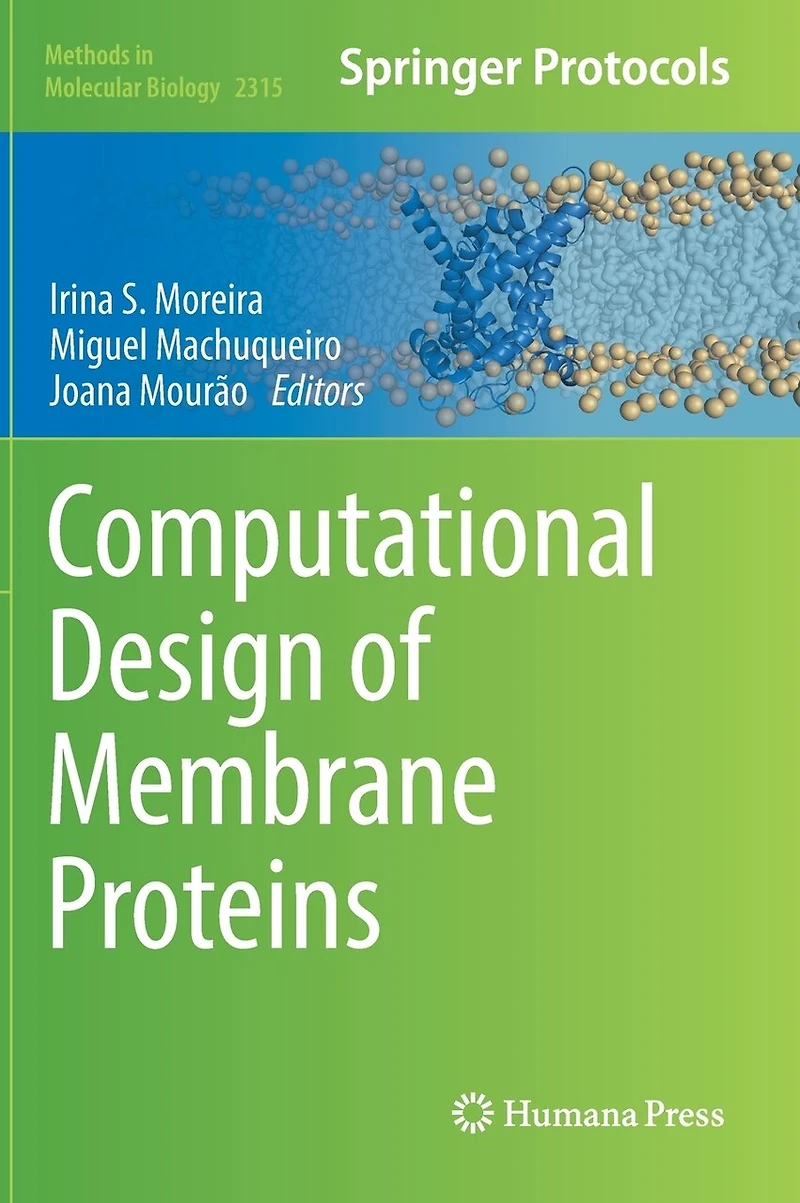
Computational Design of Membrane Proteins
Current price: $291.95

Computational Design of Membrane Proteins
Current price: $291.95
Loading Inventory...
Size: Hardcover
*Product information may vary - to confirm product availability, pricing, shipping and return information please contact Indigo
This volume provides an overview of the current successes as well as pitfalls and caveats that are hindering the design of membrane proteins. Divided into six parts, chapters detail membrane transporter, FoldX force field, protein stability, G-Protein Coupled Receptors (GPCR) structures, transmembrane helices, membrane molecular dynamics (MD) simulations, pH-dependent protonation states, membrane permeability, and passive transport. Written in the highly successful Methods in Molecular Biology series format, chapters include introductions to their respective topics, lists of the necessary materials and reagents, step-by-step, readily reproducible laboratory protocols, and tips on troubleshooting and avoiding known pitfalls. Authoritative and cutting-edge, Computational Design of Membrane Proteins aims to ensure successful results in the further study of this vital field.
Chapter 4 is available open access under a Creative CommonsAttribution 4.0 International License via link.springer.com.
This volume provides an overview of the current successes as well as pitfalls and caveats that are hindering the design of membrane proteins. Divided into six parts, chapters detail membrane transporter, FoldX force field, protein stability, G-Protein Coupled Receptors (GPCR) structures, transmembrane helices, membrane molecular dynamics (MD) simulations, pH-dependent protonation states, membrane permeability, and passive transport. Written in the highly successful Methods in Molecular Biology series format, chapters include introductions to their respective topics, lists of the necessary materials and reagents, step-by-step, readily reproducible laboratory protocols, and tips on troubleshooting and avoiding known pitfalls. Authoritative and cutting-edge, Computational Design of Membrane Proteins aims to ensure successful results in the further study of this vital field.
Chapter 4 is available open access under a Creative CommonsAttribution 4.0 International License via link.springer.com.
You May Also Like










More About Indigo at Erin Mills Town Centre
The largest book retailer in Canada also offers toys, music, home décor, gifts and lifestyle products. What's Inside...Books, Magazines, CD’s and DVD’s, Toys and Gifts, Home Accents, Electronics, Baby’s and Children’s Section, Bath and Body, Kitchen and Bedroom, Stationary Located outside in the exterior plaza.
5015 Glen Erin Dr, Mississauga, ON L5M 0R7, Canada
Find Indigo at Erin Mills Town Centre in Mississauga ON
Visit Indigo at Erin Mills Town Centre in Mississauga ON