

GIVE THE PERFECT GIFT
Erin Mills Town Centre Gift Cards are the perfect choice for your gift giving needs.Purchase gift cards at kiosks near the food court or centre court, at Guest Services, or click below to purchase online.PURCHASE HEREHome
Computational Learning Theories: Models for Artificial Intelligence Promoting Processes
Indigo
Loading Inventory...
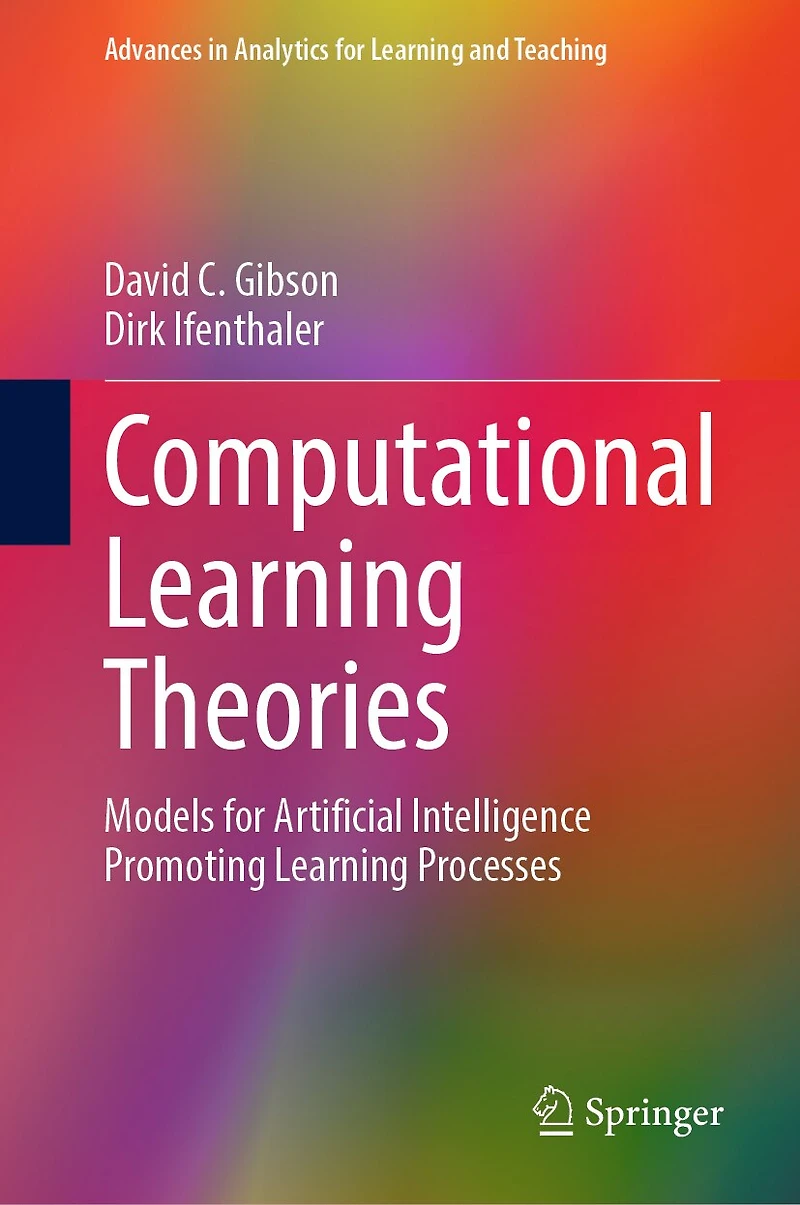
Computational Learning Theories: Models for Artificial Intelligence Promoting Processes
Current price: $262.95

Computational Learning Theories: Models for Artificial Intelligence Promoting Processes
Current price: $262.95
Loading Inventory...
Size: Hardcover
*Product information may vary - to confirm product availability, pricing, shipping and return information please contact Indigo
This book shows how artificial intelligence grounded in learning theories can promote individual learning, team productivity and multidisciplinary knowledge-building. It advances the learning sciences by integrating learning theory with computational biology and complexity, offering an updated mechanism of learning, which integrates previous theories, provides a basis for scaling from individuals to societies, and unifies models of psychology, sociology and cultural studies. The book provides a road map for the development of AI that addresses the central problems of learning theory in the age of artificial intelligence including:
optimizing human-machine collaboration
promoting individual learning
balancing personalization with privacy
dealing with biases and promoting fairness
explaining decisions and recommendations to build trust and accountability
continuously balancing and adapting to individual, team and organizational goals
generating and generalizing knowledge across fields and domains
The book will be of interest to educational professionals, researchers, and developers of educational technology that utilize artificial intelligence.
This book shows how artificial intelligence grounded in learning theories can promote individual learning, team productivity and multidisciplinary knowledge-building. It advances the learning sciences by integrating learning theory with computational biology and complexity, offering an updated mechanism of learning, which integrates previous theories, provides a basis for scaling from individuals to societies, and unifies models of psychology, sociology and cultural studies. The book provides a road map for the development of AI that addresses the central problems of learning theory in the age of artificial intelligence including:
optimizing human-machine collaboration
promoting individual learning
balancing personalization with privacy
dealing with biases and promoting fairness
explaining decisions and recommendations to build trust and accountability
continuously balancing and adapting to individual, team and organizational goals
generating and generalizing knowledge across fields and domains
The book will be of interest to educational professionals, researchers, and developers of educational technology that utilize artificial intelligence.
You May Also Like












More About Indigo at Erin Mills Town Centre
The largest book retailer in Canada also offers toys, music, home décor, gifts and lifestyle products. What's Inside...Books, Magazines, CD’s and DVD’s, Toys and Gifts, Home Accents, Electronics, Baby’s and Children’s Section, Bath and Body, Kitchen and Bedroom, Stationary Located outside in the exterior plaza.
5015 Glen Erin Dr, Mississauga, ON L5M 0R7, Canada
Find Indigo at Erin Mills Town Centre in Mississauga ON
Visit Indigo at Erin Mills Town Centre in Mississauga ON