

GIVE THE PERFECT GIFT
Erin Mills Town Centre Gift Cards are the perfect choice for your gift giving needs.Purchase gift cards at kiosks near the food court or centre court, at Guest Services, or click below to purchase online.PURCHASE HEREHome
Computer-Aided Drug Discovery and Design: Theory, Methods and Applications
Indigo
Loading Inventory...
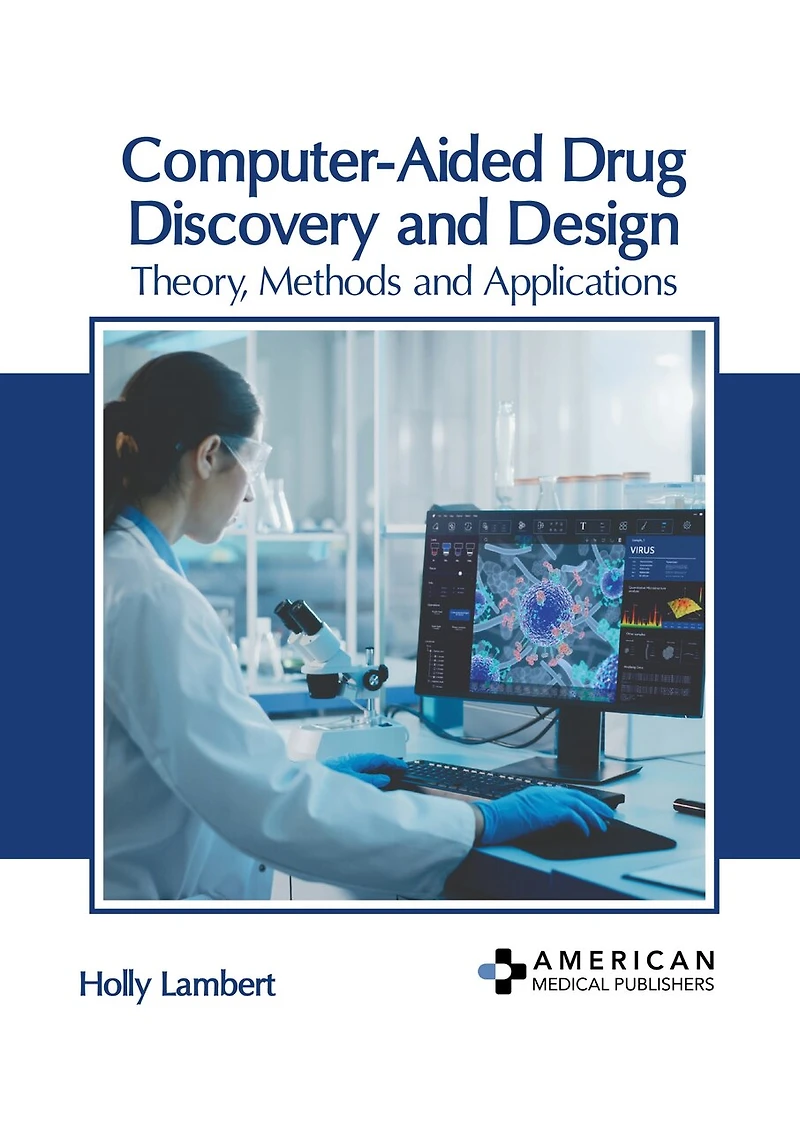
Computer-Aided Drug Discovery and Design: Theory, Methods and Applications
Current price: $212.15

Computer-Aided Drug Discovery and Design: Theory, Methods and Applications
Current price: $212.15
Loading Inventory...
Size: Hardcover
*Product information may vary - to confirm product availability, pricing, shipping and return information please contact Indigo
Modern drug discovery and design programs use computer aided drug discovery (CADD) for identifying and optimizing bioactive compounds used for developing new drugs. It is also known by alternative terms such as in-silico pharmacology and computational therapeutics. CADD approaches are vital in identifying viable drug candidates at a low cost. These approaches are usually divided into two types, namely, structure-based and ligand-based drug design approaches. Both these approaches are used to identify suitable lead molecules. These computational methods are useful for reducing the use of animal models in pharmacological research, assisting in the rational design of novel and safe drug candidates, repositioning marketed drugs, and assisting medicinal chemists and pharmacologists throughout the drug discovery process. This book is a compilation of chapters that discuss the most vital concepts and emerging trends in the usage of computers for drug discovery and design. It will provide comprehensive knowledge to the readers.
Modern drug discovery and design programs use computer aided drug discovery (CADD) for identifying and optimizing bioactive compounds used for developing new drugs. It is also known by alternative terms such as in-silico pharmacology and computational therapeutics. CADD approaches are vital in identifying viable drug candidates at a low cost. These approaches are usually divided into two types, namely, structure-based and ligand-based drug design approaches. Both these approaches are used to identify suitable lead molecules. These computational methods are useful for reducing the use of animal models in pharmacological research, assisting in the rational design of novel and safe drug candidates, repositioning marketed drugs, and assisting medicinal chemists and pharmacologists throughout the drug discovery process. This book is a compilation of chapters that discuss the most vital concepts and emerging trends in the usage of computers for drug discovery and design. It will provide comprehensive knowledge to the readers.
You May Also Like










More About Indigo at Erin Mills Town Centre
The largest book retailer in Canada also offers toys, music, home décor, gifts and lifestyle products. What's Inside...Books, Magazines, CD’s and DVD’s, Toys and Gifts, Home Accents, Electronics, Baby’s and Children’s Section, Bath and Body, Kitchen and Bedroom, Stationary Located outside in the exterior plaza.
5015 Glen Erin Dr, Mississauga, ON L5M 0R7, Canada
Find Indigo at Erin Mills Town Centre in Mississauga ON
Visit Indigo at Erin Mills Town Centre in Mississauga ON