

GIVE THE PERFECT GIFT
Erin Mills Town Centre Gift Cards are the perfect choice for your gift giving needs.Purchase gift cards at kiosks near the food court or centre court, at Guest Services, or click below to purchase online.PURCHASE HEREHome
Concrete and Countryside: The Urban and the Rural in 1950s Puerto Rican Culture
Indigo
Loading Inventory...
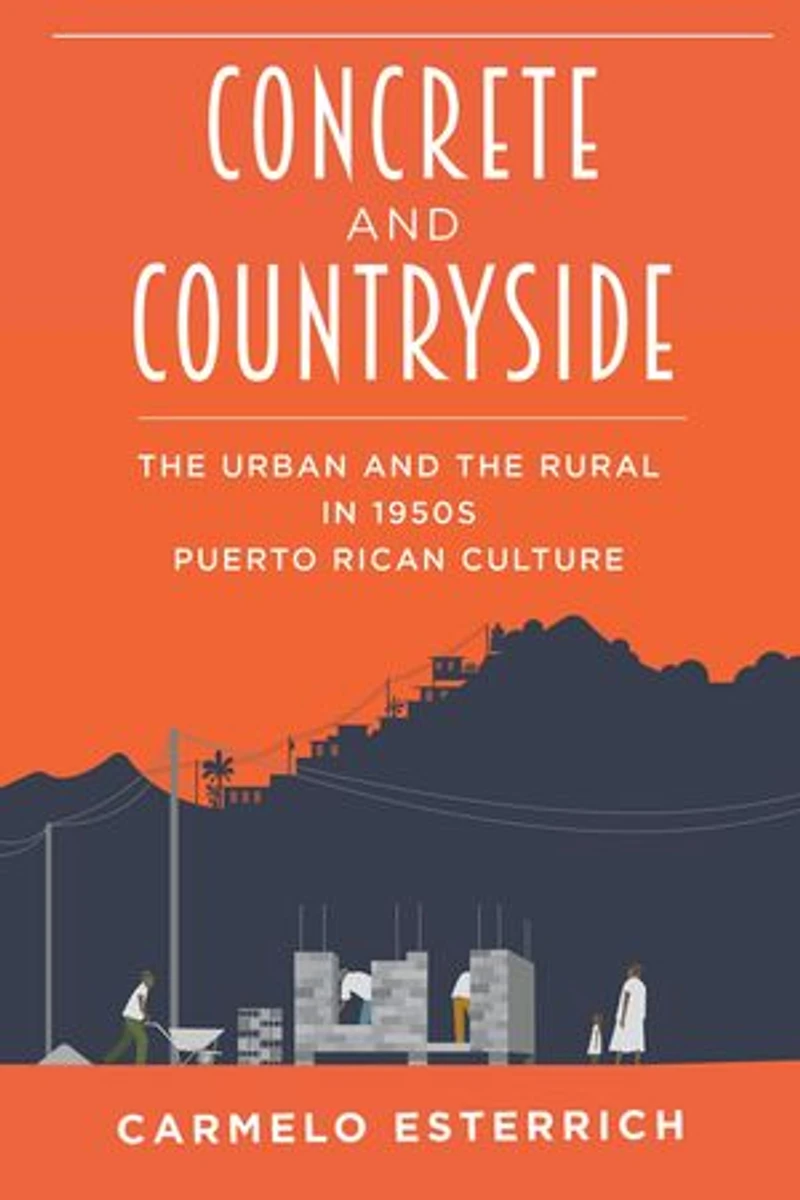
Concrete and Countryside: The Urban and the Rural in 1950s Puerto Rican Culture
Current price: $56.79
Original price: $70.99

Concrete and Countryside: The Urban and the Rural in 1950s Puerto Rican Culture
Current price: $56.79
Original price: $70.99
Loading Inventory...
Size: Kobo eBook
*Product information may vary - to confirm product availability, pricing, shipping and return information please contact Indigo
From the late 1940s to the early 1960s, Puerto Rico was swept by a wave of modernization, transforming the island from a predominantly rural society to an unquestionably urban one. A curious paradox ensued, however. While the island underwent rapid urbanization, and the rhetoric of economic development reigned over official discourses, the newly installed insular government, along with some academic circles and radio and television media, constructed, promoted, and sponsored a narrative of Puerto Rican culture based on rural subjects, practices, and spaces.
By examining a wide range of cultural texts, but focusing on the film production of the Division of Community Education, the popular dance music of Cortijo y su combo, and the literary texts of Jose Luis Gonzalez and Rene Marques, Concrete and Countryside offers an in-depth analysis of how Puerto Ricans responded to this transformative period. It also shows how the arts used a battery of images of the urban and the rural to understand, negotiate, and critique the innumerable changes taking place on the island.
From the late 1940s to the early 1960s, Puerto Rico was swept by a wave of modernization, transforming the island from a predominantly rural society to an unquestionably urban one. A curious paradox ensued, however. While the island underwent rapid urbanization, and the rhetoric of economic development reigned over official discourses, the newly installed insular government, along with some academic circles and radio and television media, constructed, promoted, and sponsored a narrative of Puerto Rican culture based on rural subjects, practices, and spaces.
By examining a wide range of cultural texts, but focusing on the film production of the Division of Community Education, the popular dance music of Cortijo y su combo, and the literary texts of Jose Luis Gonzalez and Rene Marques, Concrete and Countryside offers an in-depth analysis of how Puerto Ricans responded to this transformative period. It also shows how the arts used a battery of images of the urban and the rural to understand, negotiate, and critique the innumerable changes taking place on the island.
You May Also Like








More About Indigo at Erin Mills Town Centre
The largest book retailer in Canada also offers toys, music, home décor, gifts and lifestyle products. What's Inside...Books, Magazines, CD’s and DVD’s, Toys and Gifts, Home Accents, Electronics, Baby’s and Children’s Section, Bath and Body, Kitchen and Bedroom, Stationary Located outside in the exterior plaza.
5015 Glen Erin Dr, Mississauga, ON L5M 0R7, Canada
Find Indigo at Erin Mills Town Centre in Mississauga ON
Visit Indigo at Erin Mills Town Centre in Mississauga ON