

GIVE THE PERFECT GIFT
Erin Mills Town Centre Gift Cards are the perfect choice for your gift giving needs.Purchase gift cards at kiosks near the food court or centre court, at Guest Services, or click below to purchase online.PURCHASE HEREHome
Concrete Utopia: Looking Back into the Future of Human Rights
Indigo
Loading Inventory...
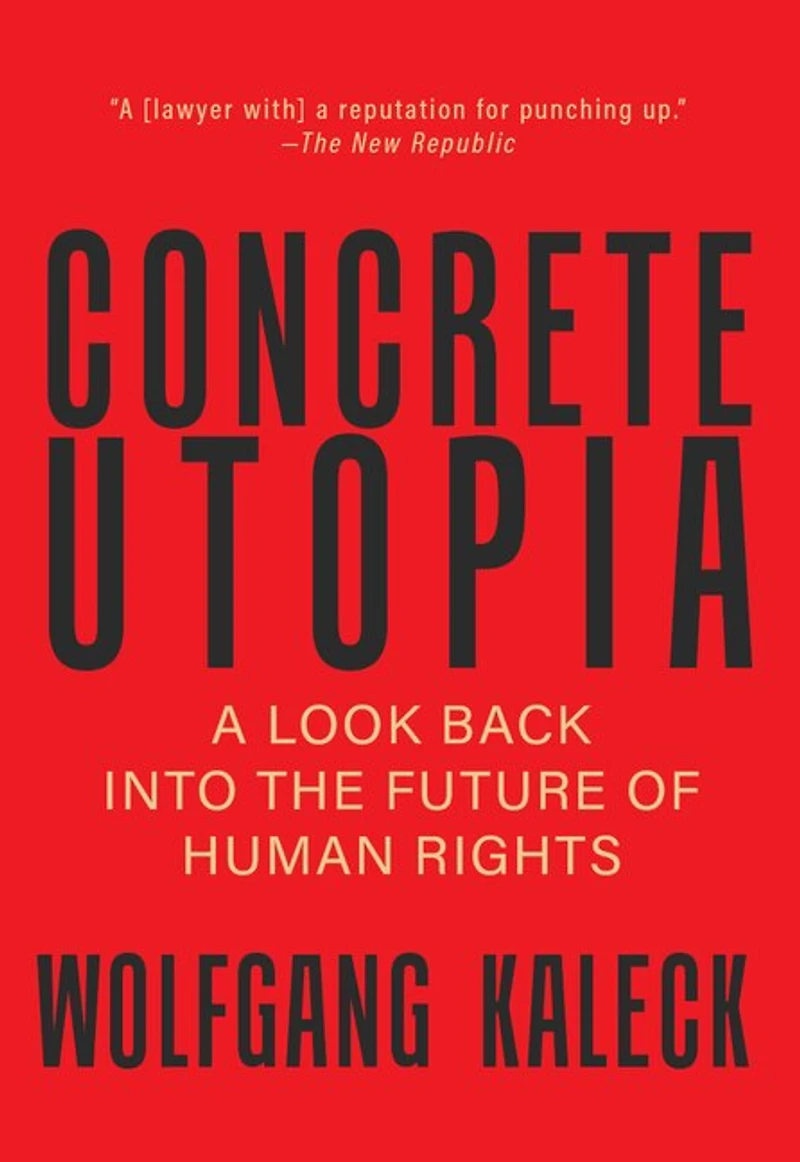
Concrete Utopia: Looking Back into the Future of Human Rights
Current price: $27.95

Concrete Utopia: Looking Back into the Future of Human Rights
Current price: $27.95
Loading Inventory...
Size: Paperback
*Product information may vary - to confirm product availability, pricing, shipping and return information please contact Indigo
Concrete Utopia conceptualizes the human rights project of the last two and a half centuries as a “backward-looking” endeavor, which, in order to move forward, must return to the utopian roots of its foundational documents.
Human rights advance by judging the ills of the present world from a standpoint in the future where they might no longer exist—a fundamentally utopian gesture. This peculiar character of human rights makes them continually ripe for reinvention and for responding to changing world circumstances. Looking at topics such as the Auschwitz trials in Frankfurt in the mid-1960s, public outrage to the Vietnam War, the US civil rights movement and the founding of Amnesty International in 1961, this book surveys the history of human rights and how they have been reconceived at different points in time. It closes by sketching the way they may be re-envisioned for new struggles in the 21st century.
At a time when the human rights project has endured criticism for being toothless or even for providing a pretext for military invasions, Kaleck argues that the current global crises, from inequality, to ecological collapse and the “age of pandemics,” can be countered by reinventing human rights work through feminist, decolonial and ecological interventions.
Concrete Utopia conceptualizes the human rights project of the last two and a half centuries as a “backward-looking” endeavor, which, in order to move forward, must return to the utopian roots of its foundational documents.
Human rights advance by judging the ills of the present world from a standpoint in the future where they might no longer exist—a fundamentally utopian gesture. This peculiar character of human rights makes them continually ripe for reinvention and for responding to changing world circumstances. Looking at topics such as the Auschwitz trials in Frankfurt in the mid-1960s, public outrage to the Vietnam War, the US civil rights movement and the founding of Amnesty International in 1961, this book surveys the history of human rights and how they have been reconceived at different points in time. It closes by sketching the way they may be re-envisioned for new struggles in the 21st century.
At a time when the human rights project has endured criticism for being toothless or even for providing a pretext for military invasions, Kaleck argues that the current global crises, from inequality, to ecological collapse and the “age of pandemics,” can be countered by reinventing human rights work through feminist, decolonial and ecological interventions.
You May Also Like
















More About Indigo at Erin Mills Town Centre
The largest book retailer in Canada also offers toys, music, home décor, gifts and lifestyle products. What's Inside...Books, Magazines, CD’s and DVD’s, Toys and Gifts, Home Accents, Electronics, Baby’s and Children’s Section, Bath and Body, Kitchen and Bedroom, Stationary Located outside in the exterior plaza.
5015 Glen Erin Dr, Mississauga, ON L5M 0R7, Canada
Find Indigo at Erin Mills Town Centre in Mississauga ON
Visit Indigo at Erin Mills Town Centre in Mississauga ON