

GIVE THE PERFECT GIFT
Erin Mills Town Centre Gift Cards are the perfect choice for your gift giving needs.Purchase gift cards at kiosks near the food court or centre court, at Guest Services, or click below to purchase online.PURCHASE HEREHome
Confining Electrochemistry to Nanopores: From Fundamentals Applications
Indigo
Loading Inventory...
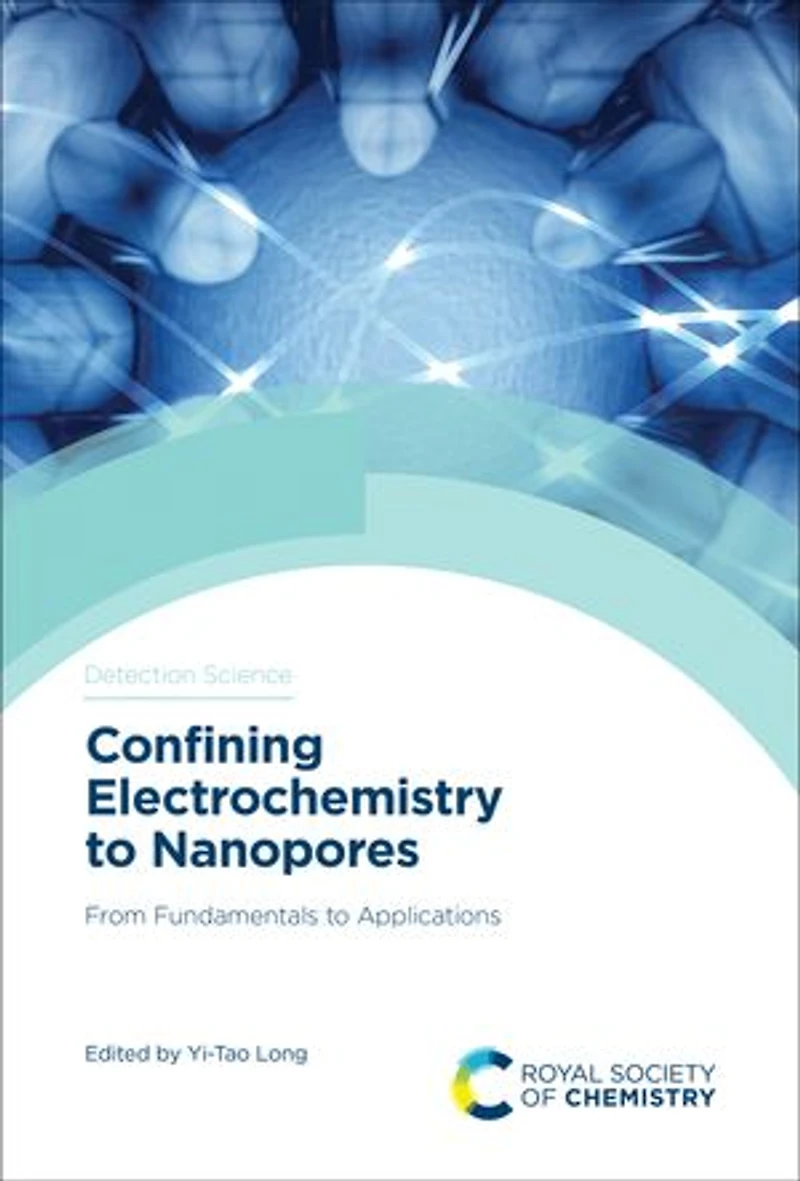
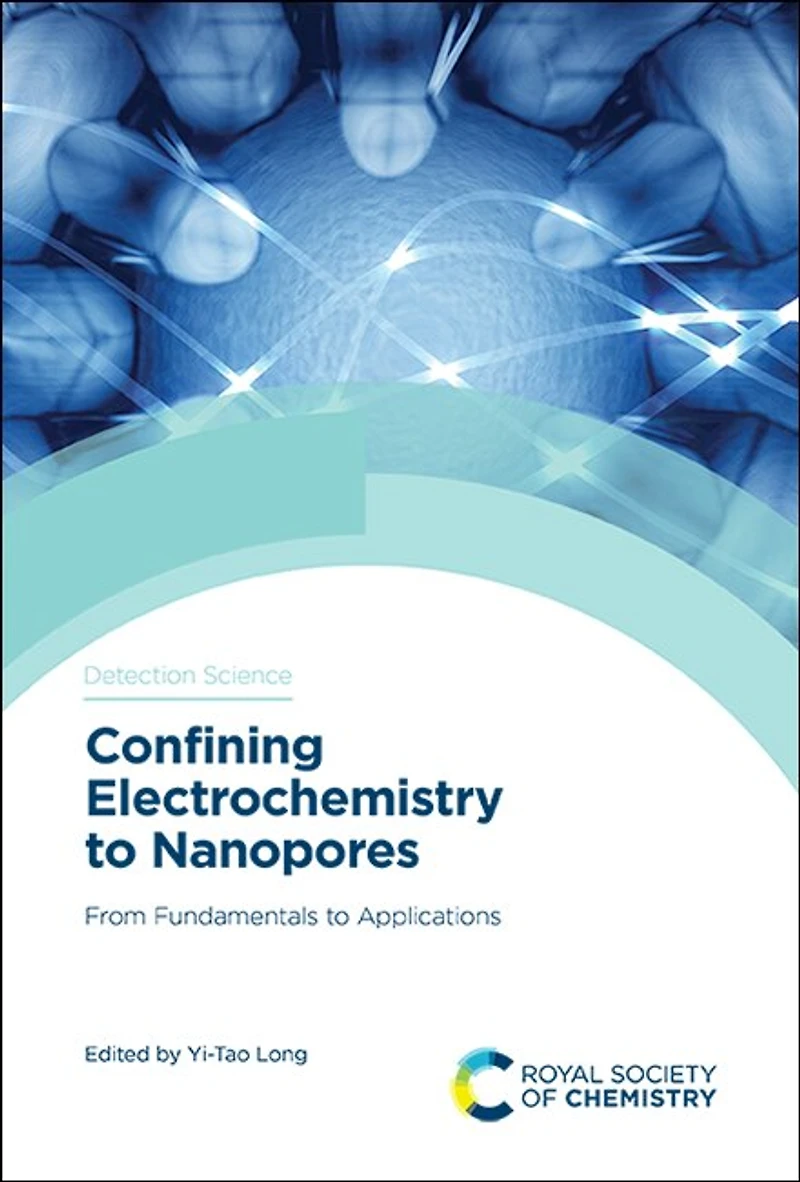
Confining Electrochemistry to Nanopores: From Fundamentals Applications
Current price: $239.99
Original price: $300.00

Confining Electrochemistry to Nanopores: From Fundamentals Applications
Current price: $239.99
Original price: $300.00
Loading Inventory...
Size: Kobo eBook
*Product information may vary - to confirm product availability, pricing, shipping and return information please contact Indigo
The nanopore provides a highly electrochemically confined space within which single-molecule characteristics can be efficiently converted into measurable electrochemical signatures with high temporal and current resolution. Aimed at developing the concept of the electrochemical confined space in analysing single molecules, this book serves as a stepping-stone to many exciting discoveries in nanopore-based analysis of biological processes and chemical reactions in confined space.
The field of nanopore sensors is growing rapidly, but there have been no new books on nanopore technology that provide an overview of the research on nanopore-based sensing until now. The book provides a good source of nanopore studies for researchers interested in and working in the general areas of electrochemistry and nanobiotechnology, especially on nanopore sensors.
The nanopore provides a highly electrochemically confined space within which single-molecule characteristics can be efficiently converted into measurable electrochemical signatures with high temporal and current resolution. Aimed at developing the concept of the electrochemical confined space in analysing single molecules, this book serves as a stepping-stone to many exciting discoveries in nanopore-based analysis of biological processes and chemical reactions in confined space.
The field of nanopore sensors is growing rapidly, but there have been no new books on nanopore technology that provide an overview of the research on nanopore-based sensing until now. The book provides a good source of nanopore studies for researchers interested in and working in the general areas of electrochemistry and nanobiotechnology, especially on nanopore sensors.
You May Also Like













More About Indigo at Erin Mills Town Centre
The largest book retailer in Canada also offers toys, music, home décor, gifts and lifestyle products. What's Inside...Books, Magazines, CD’s and DVD’s, Toys and Gifts, Home Accents, Electronics, Baby’s and Children’s Section, Bath and Body, Kitchen and Bedroom, Stationary Located outside in the exterior plaza.
5015 Glen Erin Dr, Mississauga, ON L5M 0R7, Canada
Find Indigo at Erin Mills Town Centre in Mississauga ON
Visit Indigo at Erin Mills Town Centre in Mississauga ON