

GIVE THE PERFECT GIFT
Erin Mills Town Centre Gift Cards are the perfect choice for your gift giving needs.Purchase gift cards at kiosks near the food court or centre court, at Guest Services, or click below to purchase online.PURCHASE HEREHome
Conflict and Consensus Early Greek Hexameter Poetry
Indigo
Loading Inventory...
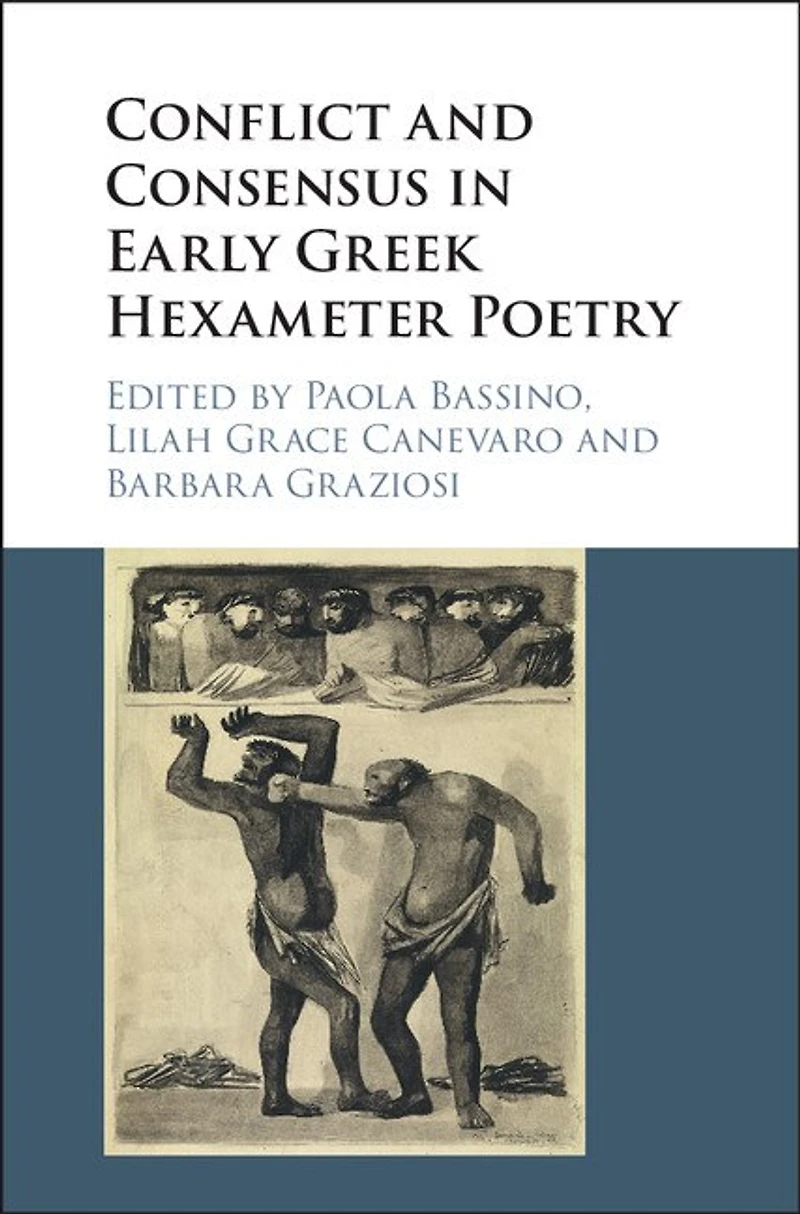
Conflict and Consensus Early Greek Hexameter Poetry
Current price: $137.95

Conflict and Consensus Early Greek Hexameter Poetry
Current price: $137.95
Loading Inventory...
Size: Hardcover
*Product information may vary - to confirm product availability, pricing, shipping and return information please contact Indigo
Achilles inflicts countless agonies on the Achaeans, although he is supposed to be fighting on their side. Odysseus' return causes civil strife on Ithaca. The Iliad and the Odyssey depict conflict where consensus should reign, as do the other major poems of the early Greek hexameter tradition: Hesiod's Theogony and the Homeric Hymns describe divine clashes that unbalance the cosmos; Hesiod's Works and Days stems from a quarrel between brothers. These early Greek poems generated consensus among audiences: the reason why they reached us is that people agreed on their value. This volume, accordingly, explores conflict and consensus from a dual perspective: as thematic concerns in the poems, and as forces shaping their early reception. It sheds new light on poetics and metapoetics, internal and external audiences, competition inside the narrative and competing narratives, local and Panhellenic traditions, narrative closure and the making of canonical literature.
Achilles inflicts countless agonies on the Achaeans, although he is supposed to be fighting on their side. Odysseus' return causes civil strife on Ithaca. The Iliad and the Odyssey depict conflict where consensus should reign, as do the other major poems of the early Greek hexameter tradition: Hesiod's Theogony and the Homeric Hymns describe divine clashes that unbalance the cosmos; Hesiod's Works and Days stems from a quarrel between brothers. These early Greek poems generated consensus among audiences: the reason why they reached us is that people agreed on their value. This volume, accordingly, explores conflict and consensus from a dual perspective: as thematic concerns in the poems, and as forces shaping their early reception. It sheds new light on poetics and metapoetics, internal and external audiences, competition inside the narrative and competing narratives, local and Panhellenic traditions, narrative closure and the making of canonical literature.
You May Also Like







More About Indigo at Erin Mills Town Centre
The largest book retailer in Canada also offers toys, music, home décor, gifts and lifestyle products. What's Inside...Books, Magazines, CD’s and DVD’s, Toys and Gifts, Home Accents, Electronics, Baby’s and Children’s Section, Bath and Body, Kitchen and Bedroom, Stationary Located outside in the exterior plaza.
5015 Glen Erin Dr, Mississauga, ON L5M 0R7, Canada
Find Indigo at Erin Mills Town Centre in Mississauga ON
Visit Indigo at Erin Mills Town Centre in Mississauga ON