

GIVE THE PERFECT GIFT
Erin Mills Town Centre Gift Cards are the perfect choice for your gift giving needs.Purchase gift cards at kiosks near the food court or centre court, at Guest Services, or click below to purchase online.PURCHASE HEREHome
Conflict On Mount Lebanon: The Druze, Maronites And Collective Memory
Indigo
Loading Inventory...
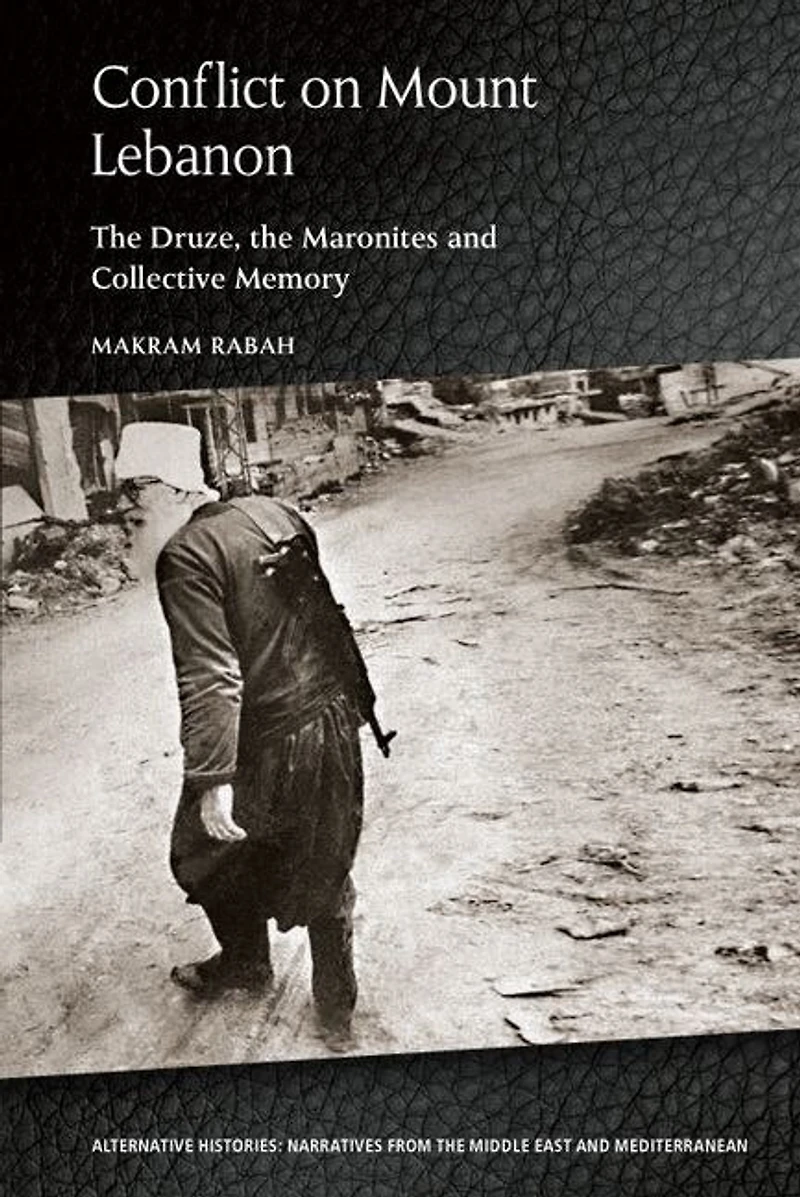
Conflict On Mount Lebanon: The Druze, Maronites And Collective Memory
Current price: $47.08

Conflict On Mount Lebanon: The Druze, Maronites And Collective Memory
Current price: $47.08
Loading Inventory...
Size: Paperback
*Product information may vary - to confirm product availability, pricing, shipping and return information please contact Indigo
The Druze and the Maronites, arguably the two founding communities of modern Lebanon, have the reputation of being primordial enemies. Makram Rabah attempts to gauge the impact of collective memory on determining the course and the nature of the conflict between these communities in Mount Lebanon. He takes as his focus ‘the War of the Mountain’ in 1982, reconstructing the events of this war through the framework of collective remembrance and oral history.
He challenges the idea that these group identities were constructed by their respective centres of power within the Maronite and Druze community, providing an alternative to the prevailing meta-narrative. Telling the stories of the many people who took part in these events, or who simply suffered as a consequence, helps to expose the intrinsic motives which led to this conflict and makes a valuable contribution to the field of Lebanese historical scholarship.
The Druze and the Maronites, arguably the two founding communities of modern Lebanon, have the reputation of being primordial enemies. Makram Rabah attempts to gauge the impact of collective memory on determining the course and the nature of the conflict between these communities in Mount Lebanon. He takes as his focus ‘the War of the Mountain’ in 1982, reconstructing the events of this war through the framework of collective remembrance and oral history.
He challenges the idea that these group identities were constructed by their respective centres of power within the Maronite and Druze community, providing an alternative to the prevailing meta-narrative. Telling the stories of the many people who took part in these events, or who simply suffered as a consequence, helps to expose the intrinsic motives which led to this conflict and makes a valuable contribution to the field of Lebanese historical scholarship.
You May Also Like







More About Indigo at Erin Mills Town Centre
The largest book retailer in Canada also offers toys, music, home décor, gifts and lifestyle products. What's Inside...Books, Magazines, CD’s and DVD’s, Toys and Gifts, Home Accents, Electronics, Baby’s and Children’s Section, Bath and Body, Kitchen and Bedroom, Stationary Located outside in the exterior plaza.
5015 Glen Erin Dr, Mississauga, ON L5M 0R7, Canada
Find Indigo at Erin Mills Town Centre in Mississauga ON
Visit Indigo at Erin Mills Town Centre in Mississauga ON