

GIVE THE PERFECT GIFT
Erin Mills Town Centre Gift Cards are the perfect choice for your gift giving needs.Purchase gift cards at kiosks near the food court or centre court, at Guest Services, or click below to purchase online.PURCHASE HEREHome
Confronting An Old Enemy: Terrorism And The Changing Face Of Military Intelligence
Indigo
Loading Inventory...
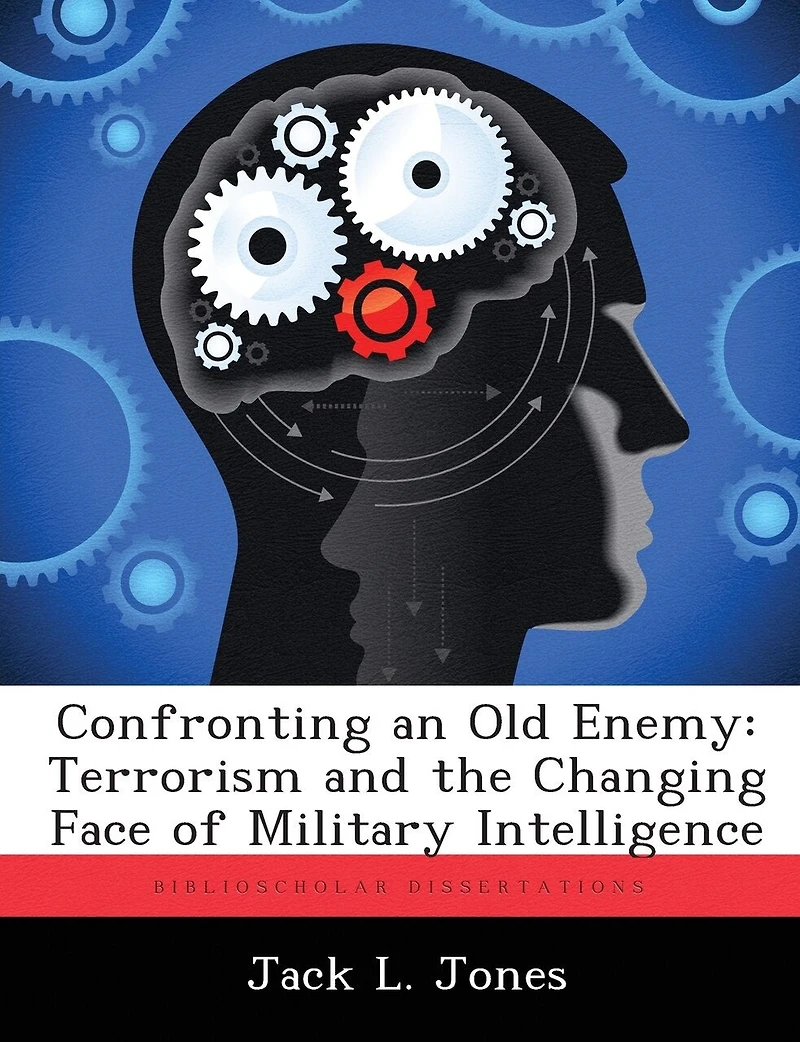
Confronting An Old Enemy: Terrorism And The Changing Face Of Military Intelligence
Current price: $18.92

Confronting An Old Enemy: Terrorism And The Changing Face Of Military Intelligence
Current price: $18.92
Loading Inventory...
Size: Paperback
*Product information may vary - to confirm product availability, pricing, shipping and return information please contact Indigo
This paper addresses the Department of Defense (DOD) all-source, analytic intelligence apparatus and assesses its efforts to combat transnational terrorism. Specifically, the author argues the DOD intelligence community requires a cultural shift to prosecute more effectively the war on terrorism and strengthen America's national security. Existing cultural biases, stove- piped operational processes, and limited analyst recruitment programs have weakened the DOD intelligence community's ability to face the twenty-first century terrorist enemy. This study first addresses the recent history (1993-present) of the intelligence community's efforts to battle terrorism. Evidence both criticizing and supporting the intelligence community's efforts is presented, and the impact of key "intelligence gaps" and lessons learned are analyzed.
This paper addresses the Department of Defense (DOD) all-source, analytic intelligence apparatus and assesses its efforts to combat transnational terrorism. Specifically, the author argues the DOD intelligence community requires a cultural shift to prosecute more effectively the war on terrorism and strengthen America's national security. Existing cultural biases, stove- piped operational processes, and limited analyst recruitment programs have weakened the DOD intelligence community's ability to face the twenty-first century terrorist enemy. This study first addresses the recent history (1993-present) of the intelligence community's efforts to battle terrorism. Evidence both criticizing and supporting the intelligence community's efforts is presented, and the impact of key "intelligence gaps" and lessons learned are analyzed.
You May Also Like















More About Indigo at Erin Mills Town Centre
The largest book retailer in Canada also offers toys, music, home décor, gifts and lifestyle products. What's Inside...Books, Magazines, CD’s and DVD’s, Toys and Gifts, Home Accents, Electronics, Baby’s and Children’s Section, Bath and Body, Kitchen and Bedroom, Stationary Located outside in the exterior plaza.
5015 Glen Erin Dr, Mississauga, ON L5M 0R7, Canada
Find Indigo at Erin Mills Town Centre in Mississauga ON
Visit Indigo at Erin Mills Town Centre in Mississauga ON