

GIVE THE PERFECT GIFT
Erin Mills Town Centre Gift Cards are the perfect choice for your gift giving needs.Purchase gift cards at kiosks near the food court or centre court, at Guest Services, or click below to purchase online.PURCHASE HEREHome
Confucian Liberalism: Mou Zongsan and Hegelian Liberalism
Indigo
Loading Inventory...
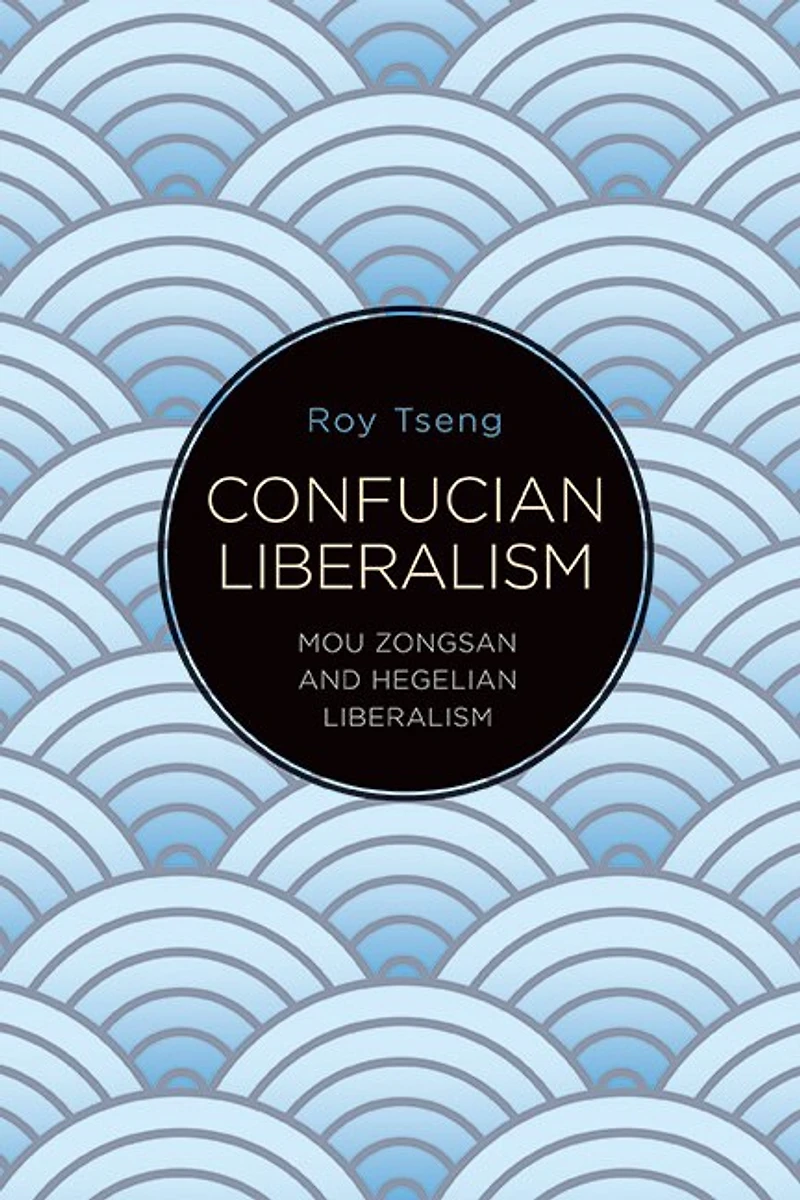
Confucian Liberalism: Mou Zongsan and Hegelian Liberalism
Current price: $135.95

Confucian Liberalism: Mou Zongsan and Hegelian Liberalism
Current price: $135.95
Loading Inventory...
Size: Hardcover
*Product information may vary - to confirm product availability, pricing, shipping and return information please contact Indigo
sheds new light on this long-standing debate entwined with the discourse of Chinese modernity. Focusing on the legacy of Mou Zongsan, the book significantly recasts the moral character and political ideal of Confucianism, accompanied by a Hegelian retreatment of the multiple facets of Western modernity and its core values, such as individuality, self-realization, democracy, civilized society, citizenship, public good, freedom, and human rights. The book offers a culturally sensitive way of reevaluating liberal language and forges a reconciliation between the two extremes of anti-Confucian liberalism and anti-liberal Confucianism. The result-Confucian liberalism-is akin to civil liberalism, in that it rests the form of liberal democracy on the content of "Confucian democratic civility." It is also comparable to perfectionist liberalism, endorsing a nondominant concept of the common good surrounded by a set of "Confucian governing and civic virtues."
sheds new light on this long-standing debate entwined with the discourse of Chinese modernity. Focusing on the legacy of Mou Zongsan, the book significantly recasts the moral character and political ideal of Confucianism, accompanied by a Hegelian retreatment of the multiple facets of Western modernity and its core values, such as individuality, self-realization, democracy, civilized society, citizenship, public good, freedom, and human rights. The book offers a culturally sensitive way of reevaluating liberal language and forges a reconciliation between the two extremes of anti-Confucian liberalism and anti-liberal Confucianism. The result-Confucian liberalism-is akin to civil liberalism, in that it rests the form of liberal democracy on the content of "Confucian democratic civility." It is also comparable to perfectionist liberalism, endorsing a nondominant concept of the common good surrounded by a set of "Confucian governing and civic virtues."
You May Also Like







More About Indigo at Erin Mills Town Centre
The largest book retailer in Canada also offers toys, music, home décor, gifts and lifestyle products. What's Inside...Books, Magazines, CD’s and DVD’s, Toys and Gifts, Home Accents, Electronics, Baby’s and Children’s Section, Bath and Body, Kitchen and Bedroom, Stationary Located outside in the exterior plaza.
5015 Glen Erin Dr, Mississauga, ON L5M 0R7, Canada
Find Indigo at Erin Mills Town Centre in Mississauga ON
Visit Indigo at Erin Mills Town Centre in Mississauga ON