

GIVE THE PERFECT GIFT
Erin Mills Town Centre Gift Cards are the perfect choice for your gift giving needs.Purchase gift cards at kiosks near the food court or centre court, at Guest Services, or click below to purchase online.PURCHASE HEREHome
Confucianism, Colonialism, and the Cold War: Chinese Cultural Education at Hong Kong’s New Asia College, 1949-63
Indigo
Loading Inventory...
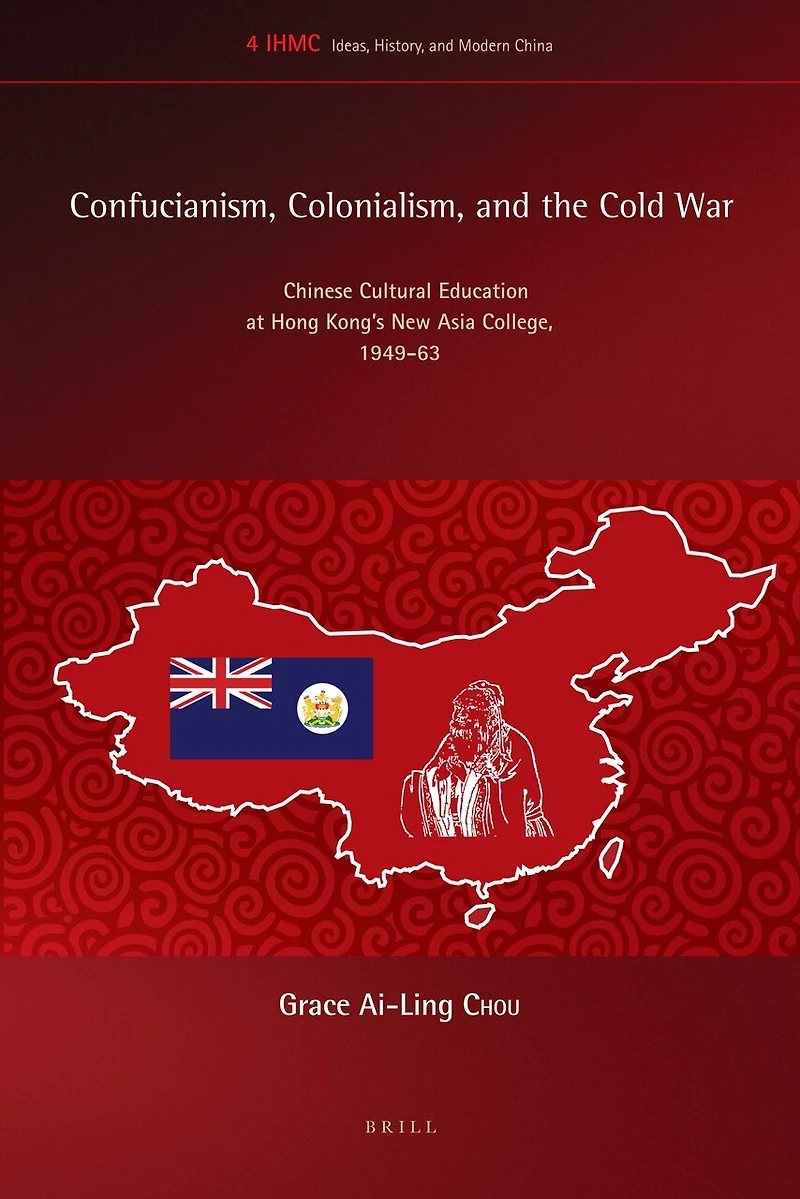
Confucianism, Colonialism, and the Cold War: Chinese Cultural Education at Hong Kong’s New Asia College, 1949-63
Current price: $229.99

Confucianism, Colonialism, and the Cold War: Chinese Cultural Education at Hong Kong’s New Asia College, 1949-63
Current price: $229.99
Loading Inventory...
Size: Hardcover
*Product information may vary - to confirm product availability, pricing, shipping and return information please contact Indigo
The story of Hong Kong’s New Asia College, from its 1949 establishment through its 1963 incorporation into The Chinese University of Hong Kong, reveals the efforts of a group of self-exiled intellectuals in establishing a Confucian-oriented higher education on the Chinese periphery. Their program of cultural education encountered both support and opposition in the communist containment agenda of American non-governmental organizations and in the educational policies of the British colonial government. By examining the cooperation and struggle between these three parties, this study sheds light on postwar Hong Kong, a divided China, British imperial ambitions in Asia, and the intersecting global dynamics of modernization, cultural identity, and the Cold War.
The story of Hong Kong’s New Asia College, from its 1949 establishment through its 1963 incorporation into The Chinese University of Hong Kong, reveals the efforts of a group of self-exiled intellectuals in establishing a Confucian-oriented higher education on the Chinese periphery. Their program of cultural education encountered both support and opposition in the communist containment agenda of American non-governmental organizations and in the educational policies of the British colonial government. By examining the cooperation and struggle between these three parties, this study sheds light on postwar Hong Kong, a divided China, British imperial ambitions in Asia, and the intersecting global dynamics of modernization, cultural identity, and the Cold War.
You May Also Like







More About Indigo at Erin Mills Town Centre
The largest book retailer in Canada also offers toys, music, home décor, gifts and lifestyle products. What's Inside...Books, Magazines, CD’s and DVD’s, Toys and Gifts, Home Accents, Electronics, Baby’s and Children’s Section, Bath and Body, Kitchen and Bedroom, Stationary Located outside in the exterior plaza.
5015 Glen Erin Dr, Mississauga, ON L5M 0R7, Canada
Find Indigo at Erin Mills Town Centre in Mississauga ON
Visit Indigo at Erin Mills Town Centre in Mississauga ON