

GIVE THE PERFECT GIFT
Erin Mills Town Centre Gift Cards are the perfect choice for your gift giving needs.Purchase gift cards at kiosks near the food court or centre court, at Guest Services, or click below to purchase online.PURCHASE HEREHome
Conspiracy Theories, Paranormal Beliefs and the Anatomy of Pseudoscience: False from an Epistemic Perspective
Indigo
Loading Inventory...

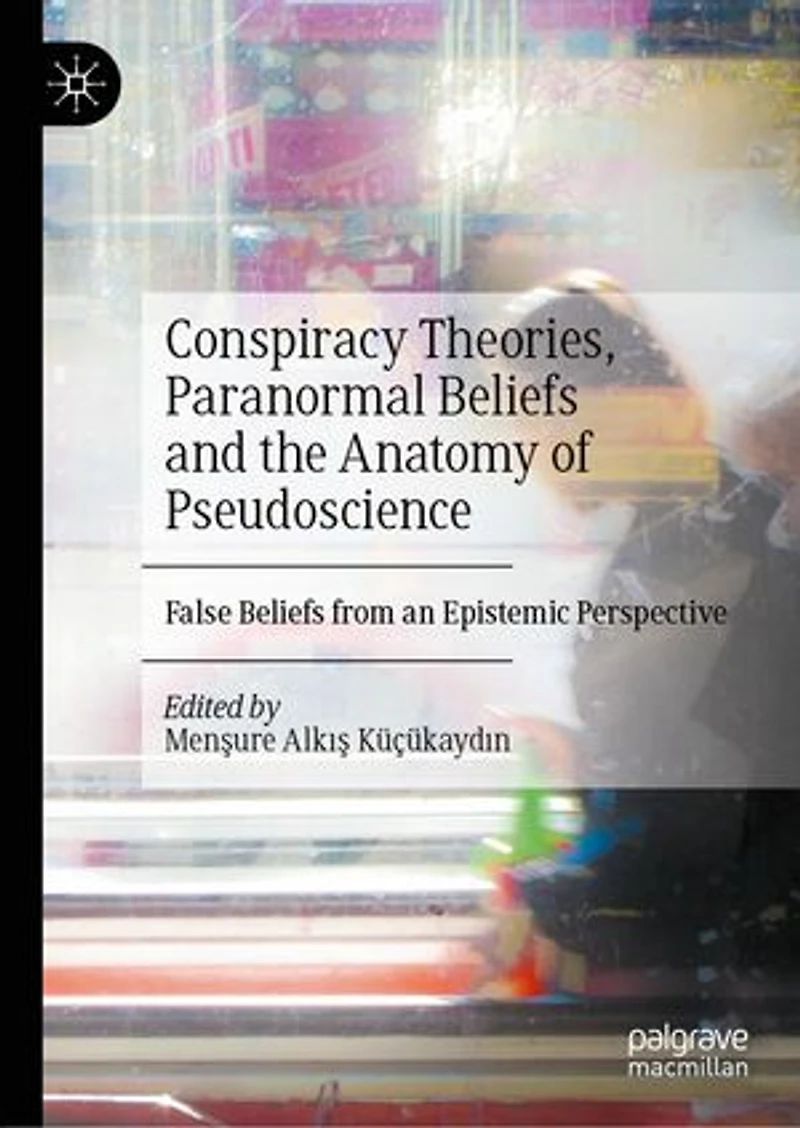
Conspiracy Theories, Paranormal Beliefs and the Anatomy of Pseudoscience: False from an Epistemic Perspective
Current price: $233.95

Conspiracy Theories, Paranormal Beliefs and the Anatomy of Pseudoscience: False from an Epistemic Perspective
Current price: $233.95
Loading Inventory...
Size: Hardcover
*Product information may vary - to confirm product availability, pricing, shipping and return information please contact Indigo
This book aims to reveal how the human mind's search for order in the face of uncertainty and complexity leads to belief systems which have no scientific basis, while exploring the harms of such beliefs at individual and societal levels. Conspiracy theories, paranormal beliefs, and pseudoscientific claims can negatively affect individuals' decision-making processes, health choices, and social ties. The book aims to provide a holistic analysis of those phenomena by bringing together the perspectives of different disciplines, such as psychology, sociology, media studies, and philosophy of science. In particular, cognitive biases and social identity theory play a key role in explaining why these beliefs are attractive. As a work, it is distinct in that it not only approaches these issues from a critical perspective but also offers solution-oriented strategies to help readers acquire critical thinking skills and use scientific methods effectively.
This book aims to reveal how the human mind's search for order in the face of uncertainty and complexity leads to belief systems which have no scientific basis, while exploring the harms of such beliefs at individual and societal levels. Conspiracy theories, paranormal beliefs, and pseudoscientific claims can negatively affect individuals' decision-making processes, health choices, and social ties. The book aims to provide a holistic analysis of those phenomena by bringing together the perspectives of different disciplines, such as psychology, sociology, media studies, and philosophy of science. In particular, cognitive biases and social identity theory play a key role in explaining why these beliefs are attractive. As a work, it is distinct in that it not only approaches these issues from a critical perspective but also offers solution-oriented strategies to help readers acquire critical thinking skills and use scientific methods effectively.
You May Also Like















More About Indigo at Erin Mills Town Centre
The largest book retailer in Canada also offers toys, music, home décor, gifts and lifestyle products. What's Inside...Books, Magazines, CD’s and DVD’s, Toys and Gifts, Home Accents, Electronics, Baby’s and Children’s Section, Bath and Body, Kitchen and Bedroom, Stationary Located outside in the exterior plaza.
5015 Glen Erin Dr, Mississauga, ON L5M 0R7, Canada
Find Indigo at Erin Mills Town Centre in Mississauga ON
Visit Indigo at Erin Mills Town Centre in Mississauga ON