

GIVE THE PERFECT GIFT
Erin Mills Town Centre Gift Cards are the perfect choice for your gift giving needs.Purchase gift cards at kiosks near the food court or centre court, at Guest Services, or click below to purchase online.PURCHASE HEREHome
Constantinople to Córdoba: Dismantling Ancient Architecture in the East, North Africa and Islamic Spain
Indigo
Loading Inventory...
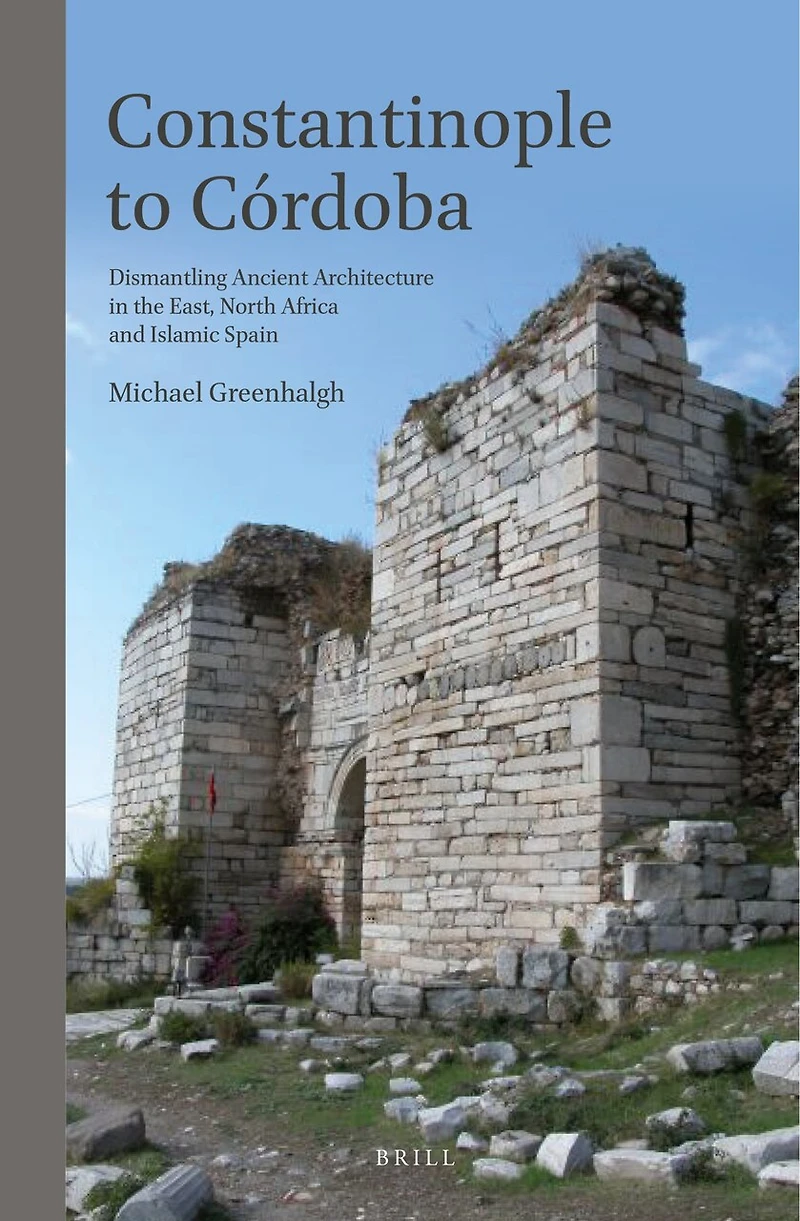
Constantinople to Córdoba: Dismantling Ancient Architecture in the East, North Africa and Islamic Spain
Current price: $385.99

Constantinople to Córdoba: Dismantling Ancient Architecture in the East, North Africa and Islamic Spain
Current price: $385.99
Loading Inventory...
Size: Hardcover
*Product information may vary - to confirm product availability, pricing, shipping and return information please contact Indigo
A survey of the various ways in which the extensive remains of ancient architecture were reused or destroyed in the crescent from Greece and Turkey through Syria, Palestine, North Africa to Islamic Spain. The book complements and echoes some of the themes in the author's "Marble Past, Monumental Present" (2009). Offering a large number of varied examples, it examines how the ancient landscape was transformed - towns, roads and ports, fountains and waterways, tombs, palaces, villas and inscriptions. It then addresses reuse in churches, mosques and other structures, dealing also with collectors and museum-builders. Also considered are the dismantling and transport of the often massive blocks, and the superstitions surrounding antiquities which contributed to their continuing renown or to their destruction.
A survey of the various ways in which the extensive remains of ancient architecture were reused or destroyed in the crescent from Greece and Turkey through Syria, Palestine, North Africa to Islamic Spain. The book complements and echoes some of the themes in the author's "Marble Past, Monumental Present" (2009). Offering a large number of varied examples, it examines how the ancient landscape was transformed - towns, roads and ports, fountains and waterways, tombs, palaces, villas and inscriptions. It then addresses reuse in churches, mosques and other structures, dealing also with collectors and museum-builders. Also considered are the dismantling and transport of the often massive blocks, and the superstitions surrounding antiquities which contributed to their continuing renown or to their destruction.
You May Also Like








More About Indigo at Erin Mills Town Centre
The largest book retailer in Canada also offers toys, music, home décor, gifts and lifestyle products. What's Inside...Books, Magazines, CD’s and DVD’s, Toys and Gifts, Home Accents, Electronics, Baby’s and Children’s Section, Bath and Body, Kitchen and Bedroom, Stationary Located outside in the exterior plaza.
5015 Glen Erin Dr, Mississauga, ON L5M 0R7, Canada
Find Indigo at Erin Mills Town Centre in Mississauga ON
Visit Indigo at Erin Mills Town Centre in Mississauga ON