

GIVE THE PERFECT GIFT
Erin Mills Town Centre Gift Cards are the perfect choice for your gift giving needs.Purchase gift cards at kiosks near the food court or centre court, at Guest Services, or click below to purchase online.PURCHASE HEREHome
Constituents of Political Theory (2): Assumptions of the Warsaw School of Political Theory
Indigo
Loading Inventory...
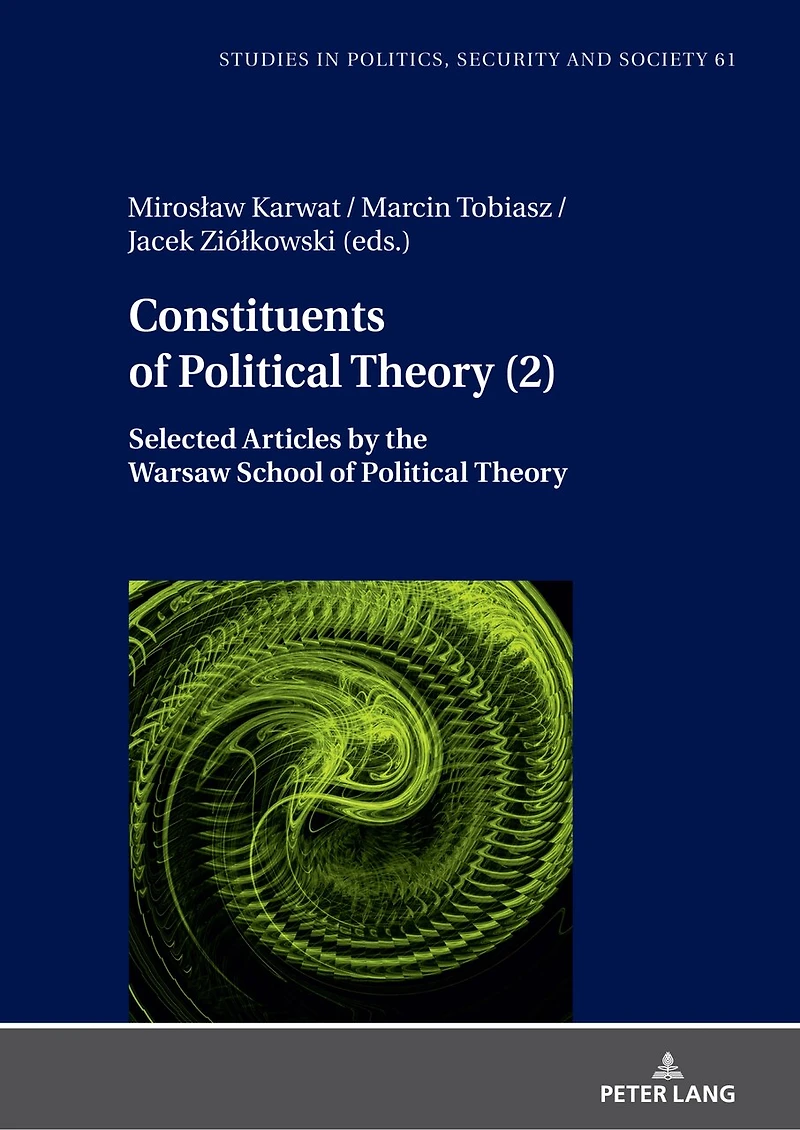
Constituents of Political Theory (2): Assumptions of the Warsaw School of Political Theory
Current price: $88.48

Constituents of Political Theory (2): Assumptions of the Warsaw School of Political Theory
Current price: $88.48
Loading Inventory...
Size: Hardcover
*Product information may vary - to confirm product availability, pricing, shipping and return information please contact Indigo
This collection of articles offers an in-depth exploration of explanatory, non-normative political theory, moving beyond the simple mechanics of governance and power struggles. The chapters investigate the boundaries and forms of political phenomena, including the transformation of non-political matters into political issues. The analysis distinguishes between political actions driven by ideas and interests, efforts to harmonize conflicting forces for social stability, and the principles that underpin the political framework. Moreover, the book delves into the socio-technical mechanisms of enemy creation, polarization, and dehumanization, as well as the contradictions of political pluralism, deliberation, and the emergence of antipolitics.
This collection of articles offers an in-depth exploration of explanatory, non-normative political theory, moving beyond the simple mechanics of governance and power struggles. The chapters investigate the boundaries and forms of political phenomena, including the transformation of non-political matters into political issues. The analysis distinguishes between political actions driven by ideas and interests, efforts to harmonize conflicting forces for social stability, and the principles that underpin the political framework. Moreover, the book delves into the socio-technical mechanisms of enemy creation, polarization, and dehumanization, as well as the contradictions of political pluralism, deliberation, and the emergence of antipolitics.
You May Also Like










More About Indigo at Erin Mills Town Centre
The largest book retailer in Canada also offers toys, music, home décor, gifts and lifestyle products. What's Inside...Books, Magazines, CD’s and DVD’s, Toys and Gifts, Home Accents, Electronics, Baby’s and Children’s Section, Bath and Body, Kitchen and Bedroom, Stationary Located outside in the exterior plaza.
5015 Glen Erin Dr, Mississauga, ON L5M 0R7, Canada
Find Indigo at Erin Mills Town Centre in Mississauga ON
Visit Indigo at Erin Mills Town Centre in Mississauga ON