

GIVE THE PERFECT GIFT
Erin Mills Town Centre Gift Cards are the perfect choice for your gift giving needs.Purchase gift cards at kiosks near the food court or centre court, at Guest Services, or click below to purchase online.PURCHASE HEREHome
Constitution And Biosynthesis Of Lignin
Indigo
Loading Inventory...
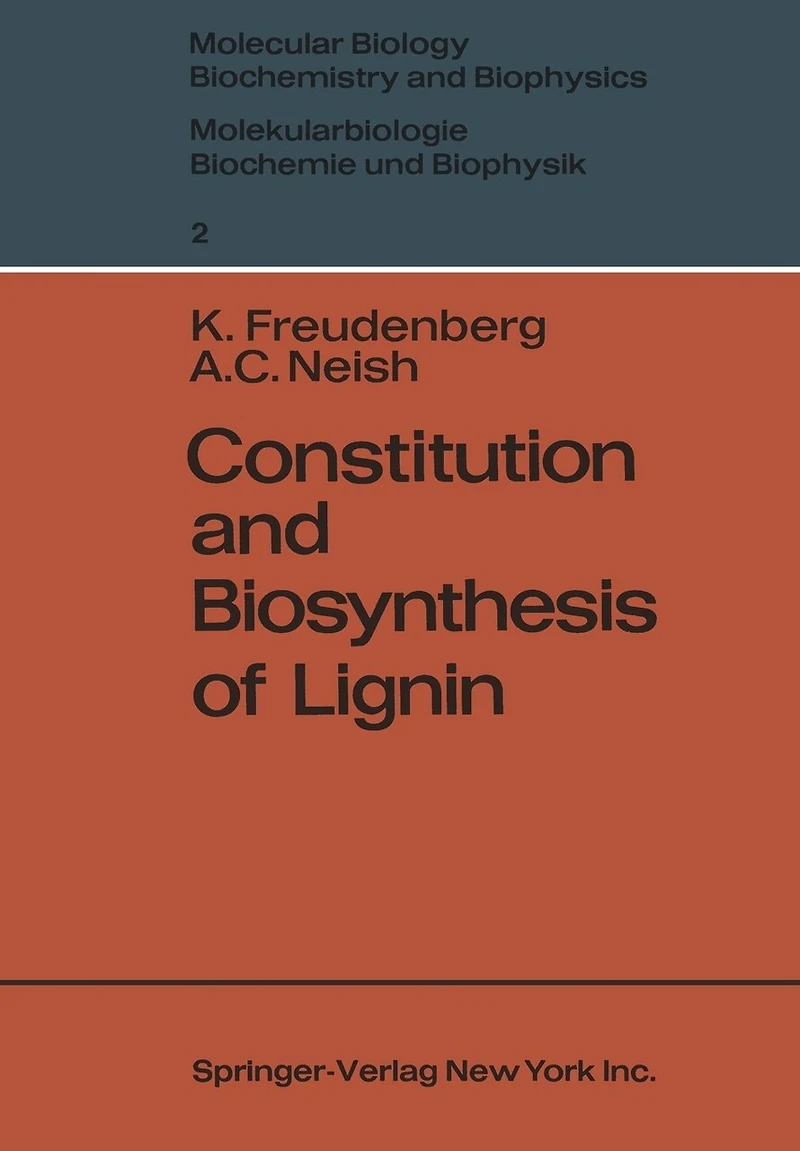
Constitution And Biosynthesis Of Lignin
Current price: $142.95

Constitution And Biosynthesis Of Lignin
Current price: $142.95
Loading Inventory...
Size: Paperback
*Product information may vary - to confirm product availability, pricing, shipping and return information please contact Indigo
Among terrestrial plants the vascular plants are the largest and the most con- spicuous. Because of the presence of lignified supporting and conducting tissues such as xylem, terrestrial vascular plants can develop large upright forms. Composed mainly of xylem tissue, the stems of trees are characterized by elongated cells with thickened walls, impregnated by lignin. Diagrams of xylem cells (vessels, tracheids and fibers) can be seen in textbooks of plant anatomy (e. g. ESAU, 1953). A cross section of xylem tissue is shown in the section of this volume written by Professor FREUDENBERG (Fig. 1, p. 98). In general the occurrence of lignin in the plant kingdom is associated with the presence of these cells which comprise xylem. Thus lignin is found in vascular plants such as lycopods, ferns, gymnosperms and angiosperms, whereas it is absent from simple plants such as fungi, and from all other organisms. The mosses are an exceptional group which do not have the cells characteristic of xylem tissue but which contain lignin-like materials. These "moss lignins" have been discussed by Professor FREUDENBERG in this volume, and some doubts have been expressed as to whether or not they are true lignins (FR. * pp. 113-114). Work on the chemistry of lignin indicates that it is a polymer derived from the phenylpropanoid compound, coniferyl alcohol and related alcohols.
Among terrestrial plants the vascular plants are the largest and the most con- spicuous. Because of the presence of lignified supporting and conducting tissues such as xylem, terrestrial vascular plants can develop large upright forms. Composed mainly of xylem tissue, the stems of trees are characterized by elongated cells with thickened walls, impregnated by lignin. Diagrams of xylem cells (vessels, tracheids and fibers) can be seen in textbooks of plant anatomy (e. g. ESAU, 1953). A cross section of xylem tissue is shown in the section of this volume written by Professor FREUDENBERG (Fig. 1, p. 98). In general the occurrence of lignin in the plant kingdom is associated with the presence of these cells which comprise xylem. Thus lignin is found in vascular plants such as lycopods, ferns, gymnosperms and angiosperms, whereas it is absent from simple plants such as fungi, and from all other organisms. The mosses are an exceptional group which do not have the cells characteristic of xylem tissue but which contain lignin-like materials. These "moss lignins" have been discussed by Professor FREUDENBERG in this volume, and some doubts have been expressed as to whether or not they are true lignins (FR. * pp. 113-114). Work on the chemistry of lignin indicates that it is a polymer derived from the phenylpropanoid compound, coniferyl alcohol and related alcohols.
You May Also Like








More About Indigo at Erin Mills Town Centre
The largest book retailer in Canada also offers toys, music, home décor, gifts and lifestyle products. What's Inside...Books, Magazines, CD’s and DVD’s, Toys and Gifts, Home Accents, Electronics, Baby’s and Children’s Section, Bath and Body, Kitchen and Bedroom, Stationary Located outside in the exterior plaza.
5015 Glen Erin Dr, Mississauga, ON L5M 0R7, Canada
Find Indigo at Erin Mills Town Centre in Mississauga ON
Visit Indigo at Erin Mills Town Centre in Mississauga ON