

GIVE THE PERFECT GIFT
Erin Mills Town Centre Gift Cards are the perfect choice for your gift giving needs.Purchase gift cards at kiosks near the food court or centre court, at Guest Services, or click below to purchase online.PURCHASE HEREHome
Constitutional Challenges to the Drug Law: A Case Study
Indigo
Loading Inventory...
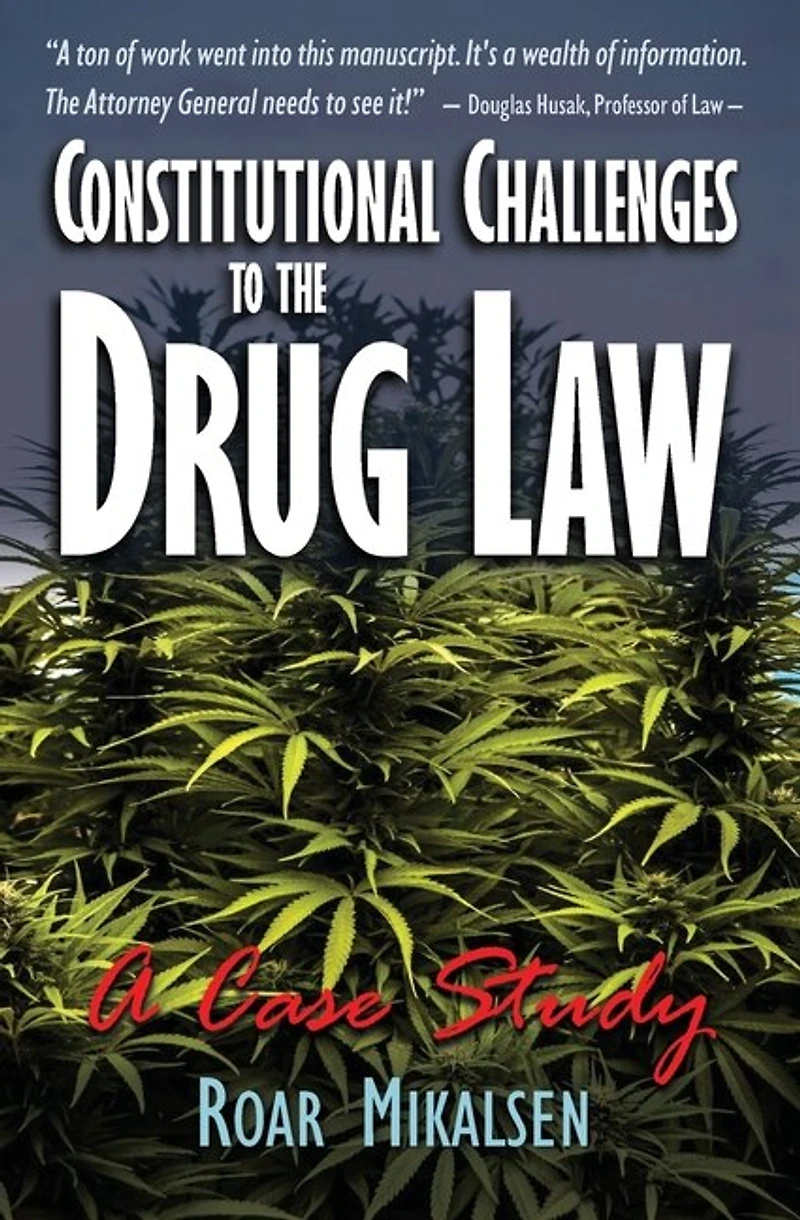
Constitutional Challenges to the Drug Law: A Case Study
Current price: $18.99

Constitutional Challenges to the Drug Law: A Case Study
Current price: $18.99
Loading Inventory...
Size: Paperback
*Product information may vary - to confirm product availability, pricing, shipping and return information please contact Indigo
The legitimacy of the prohibition experiment rests on its compatibility with constitutional principles. This is uncontroversial and more than a hundred court decisions have upheld the law in these terms, finding no shelter for drug users or distributors in the U.S. Constitution. As its toll increases, however, more and more people are questioning the drug war. This is natural. But if there is a problem with prohibition, there must also be a problem with its relationship to constitutional principles, and as its constitutionality again is becoming contested, this case study presents an overview of the reasoning that has been used to uphold a criminalization of drugs. The result is surprising. As shown, the judiciary's treatment has not only been thin, but constitutional demands have been neglected every time a challenge has reached the courts. Not once have prohibitionists proven the validity of contested premises. Instead, justices have drawn upon prejudice to sustain the status quo, while appellants have been denied an opportunity to challenge the law. In sum, the study shows that drug policy has evolved unchecked by serious debate. Only a very few have contemplated its constitutional implications from an informed perspective; those who have have unanimously rejected the prohibition argument, and this book explains why.
The legitimacy of the prohibition experiment rests on its compatibility with constitutional principles. This is uncontroversial and more than a hundred court decisions have upheld the law in these terms, finding no shelter for drug users or distributors in the U.S. Constitution. As its toll increases, however, more and more people are questioning the drug war. This is natural. But if there is a problem with prohibition, there must also be a problem with its relationship to constitutional principles, and as its constitutionality again is becoming contested, this case study presents an overview of the reasoning that has been used to uphold a criminalization of drugs. The result is surprising. As shown, the judiciary's treatment has not only been thin, but constitutional demands have been neglected every time a challenge has reached the courts. Not once have prohibitionists proven the validity of contested premises. Instead, justices have drawn upon prejudice to sustain the status quo, while appellants have been denied an opportunity to challenge the law. In sum, the study shows that drug policy has evolved unchecked by serious debate. Only a very few have contemplated its constitutional implications from an informed perspective; those who have have unanimously rejected the prohibition argument, and this book explains why.
You May Also Like










More About Indigo at Erin Mills Town Centre
The largest book retailer in Canada also offers toys, music, home décor, gifts and lifestyle products. What's Inside...Books, Magazines, CD’s and DVD’s, Toys and Gifts, Home Accents, Electronics, Baby’s and Children’s Section, Bath and Body, Kitchen and Bedroom, Stationary Located outside in the exterior plaza.
5015 Glen Erin Dr, Mississauga, ON L5M 0R7, Canada
Find Indigo at Erin Mills Town Centre in Mississauga ON
Visit Indigo at Erin Mills Town Centre in Mississauga ON