

GIVE THE PERFECT GIFT
Erin Mills Town Centre Gift Cards are the perfect choice for your gift giving needs.Purchase gift cards at kiosks near the food court or centre court, at Guest Services, or click below to purchase online.PURCHASE HEREHome
Constitutional Facts?: (Dis)covering Another Procedural Reality
Indigo
Loading Inventory...

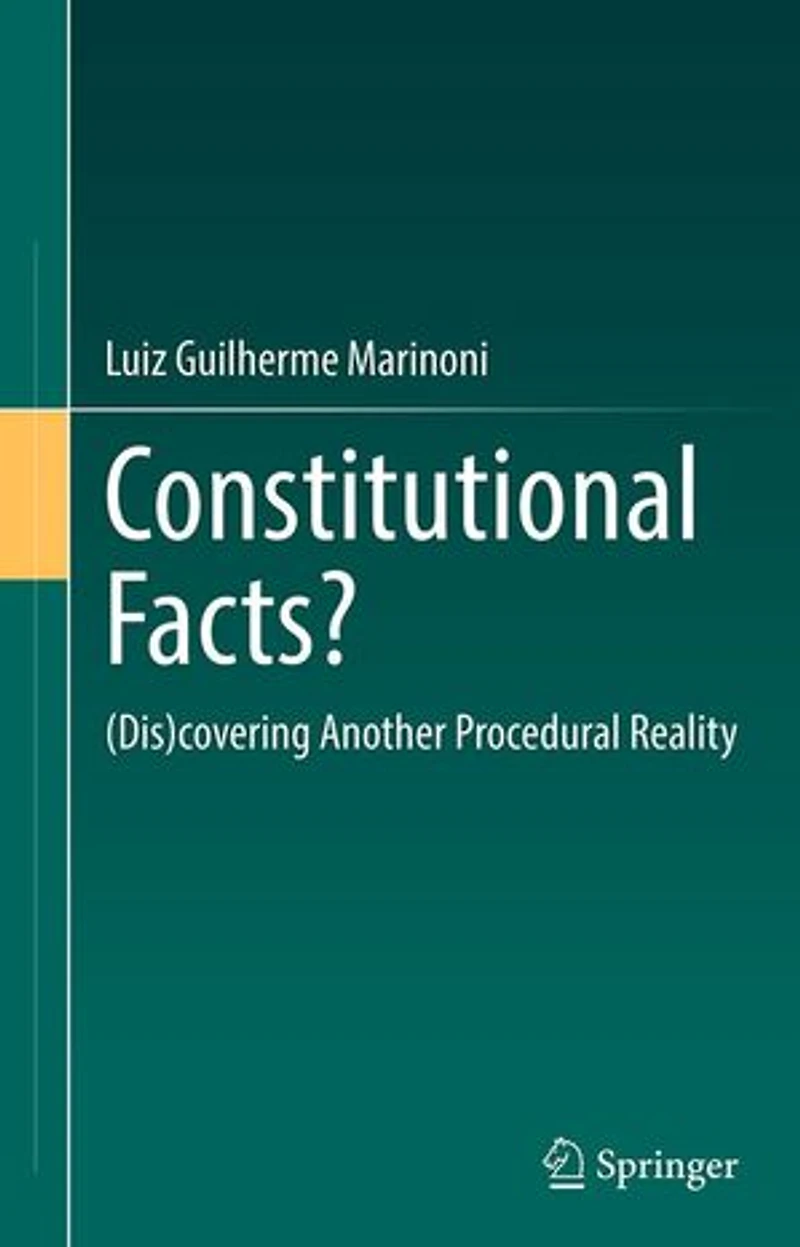
Constitutional Facts?: (Dis)covering Another Procedural Reality
Current price: $233.95

Constitutional Facts?: (Dis)covering Another Procedural Reality
Current price: $233.95
Loading Inventory...
Size: Hardcover
*Product information may vary - to confirm product availability, pricing, shipping and return information please contact Indigo
This book explores how both common law and civil law traditions have long devoted extensive attention to litigious facts-those directly related to the parties involved in a dispute. These facts have consistently been central to procedural theories, particularly the theory of evidence. At the same time, it draws attention to another category of facts that remain largely unexamined by judges and lawyers. Especially in the context of constitutional review and binding precedents, there are facts that do not concern the litigants-or at least not exclusively. These are general facts, connected to social life and the functioning of the world, and they closely resemble legislative facts. Since law presupposes reality and social needs-facts that concern everyone-their presence in constitutional adjudication should not come as a surprise. The volume introduces the concept of constitutional facts, which emerge when constitutional review moves beyond its normative roots and engages with the lived reality of society. Deciding based on constitutional facts carries a significant democratic dimension. While the analysis acknowledges that constitutional decisions should remain open to institutional dialog, it also argues that deliberation should not be prematurely closed when constitutional facts-overlooked by the legislature or still under public debate-are brought before the judiciary through legal challenges. Beyond theory, the work also addresses decision-making strategies that foster institutional dialog around these facts, offering a framework that supports more transparent and participatory constitutional adjudication.
This book explores how both common law and civil law traditions have long devoted extensive attention to litigious facts-those directly related to the parties involved in a dispute. These facts have consistently been central to procedural theories, particularly the theory of evidence. At the same time, it draws attention to another category of facts that remain largely unexamined by judges and lawyers. Especially in the context of constitutional review and binding precedents, there are facts that do not concern the litigants-or at least not exclusively. These are general facts, connected to social life and the functioning of the world, and they closely resemble legislative facts. Since law presupposes reality and social needs-facts that concern everyone-their presence in constitutional adjudication should not come as a surprise. The volume introduces the concept of constitutional facts, which emerge when constitutional review moves beyond its normative roots and engages with the lived reality of society. Deciding based on constitutional facts carries a significant democratic dimension. While the analysis acknowledges that constitutional decisions should remain open to institutional dialog, it also argues that deliberation should not be prematurely closed when constitutional facts-overlooked by the legislature or still under public debate-are brought before the judiciary through legal challenges. Beyond theory, the work also addresses decision-making strategies that foster institutional dialog around these facts, offering a framework that supports more transparent and participatory constitutional adjudication.
You May Also Like
















More About Indigo at Erin Mills Town Centre
The largest book retailer in Canada also offers toys, music, home décor, gifts and lifestyle products. What's Inside...Books, Magazines, CD’s and DVD’s, Toys and Gifts, Home Accents, Electronics, Baby’s and Children’s Section, Bath and Body, Kitchen and Bedroom, Stationary Located outside in the exterior plaza.
5015 Glen Erin Dr, Mississauga, ON L5M 0R7, Canada
Find Indigo at Erin Mills Town Centre in Mississauga ON
Visit Indigo at Erin Mills Town Centre in Mississauga ON