

GIVE THE PERFECT GIFT
Erin Mills Town Centre Gift Cards are the perfect choice for your gift giving needs.Purchase gift cards at kiosks near the food court or centre court, at Guest Services, or click below to purchase online.PURCHASE HEREHome
Constitutional Symmetry: Judging in a Divided Republic
Indigo
Loading Inventory...
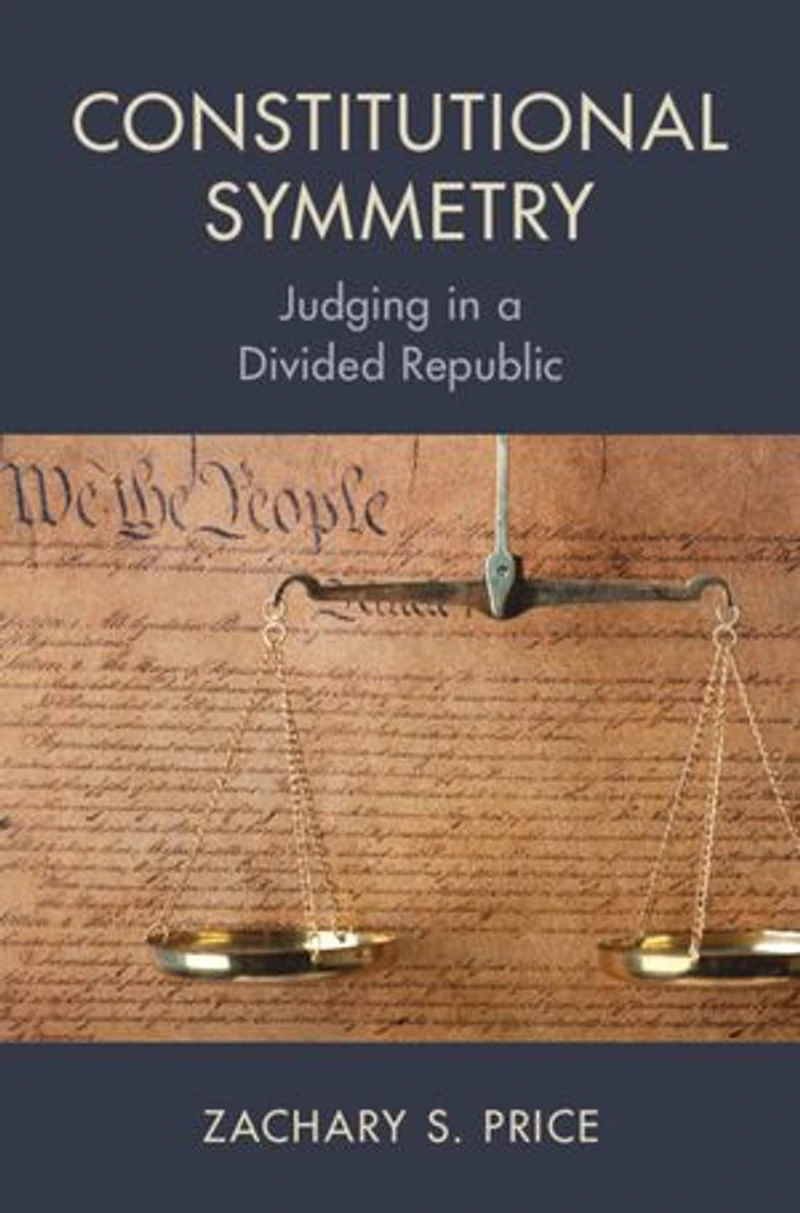
Constitutional Symmetry: Judging in a Divided Republic
Current price: $36.79
Original price: $45.95

Constitutional Symmetry: Judging in a Divided Republic
Current price: $36.79
Original price: $45.95
Loading Inventory...
Size: Kobo eBook
*Product information may vary - to confirm product availability, pricing, shipping and return information please contact Indigo
Intense political disagreements over constitutional law and the Supreme Court have divided America. Constitutional Symmetry offers a fresh perspective by urging judges to make decisions that work 'symmetrically' across major partisan and ideological divides instead of favoring one partisan coalition over the other. Zachary S. Price argues this approach will aid the political process, align with the role morality of judging, and advance the framers' hopes for the Constitution. Chapters explore how this approach can encourage new solutions to fraught debates over free speech, religious liberty, separation of powers, federalism, affirmative action, gun rights, abortion, parental rights, and the law of democracy. Timely and innovative, this book is must-read for anyone seeking to understand the sources and implications of constitutional polarization in the contemporary United States.
Intense political disagreements over constitutional law and the Supreme Court have divided America. Constitutional Symmetry offers a fresh perspective by urging judges to make decisions that work 'symmetrically' across major partisan and ideological divides instead of favoring one partisan coalition over the other. Zachary S. Price argues this approach will aid the political process, align with the role morality of judging, and advance the framers' hopes for the Constitution. Chapters explore how this approach can encourage new solutions to fraught debates over free speech, religious liberty, separation of powers, federalism, affirmative action, gun rights, abortion, parental rights, and the law of democracy. Timely and innovative, this book is must-read for anyone seeking to understand the sources and implications of constitutional polarization in the contemporary United States.
You May Also Like











More About Indigo at Erin Mills Town Centre
The largest book retailer in Canada also offers toys, music, home décor, gifts and lifestyle products. What's Inside...Books, Magazines, CD’s and DVD’s, Toys and Gifts, Home Accents, Electronics, Baby’s and Children’s Section, Bath and Body, Kitchen and Bedroom, Stationary Located outside in the exterior plaza.
5015 Glen Erin Dr, Mississauga, ON L5M 0R7, Canada
Find Indigo at Erin Mills Town Centre in Mississauga ON
Visit Indigo at Erin Mills Town Centre in Mississauga ON