

GIVE THE PERFECT GIFT
Erin Mills Town Centre Gift Cards are the perfect choice for your gift giving needs.Purchase gift cards at kiosks near the food court or centre court, at Guest Services, or click below to purchase online.PURCHASE HEREHome
Constitutionalizing World Politics: The Logic Of Democratic Power And The Unintended Consequences Of International Treaty Making
Indigo
Loading Inventory...
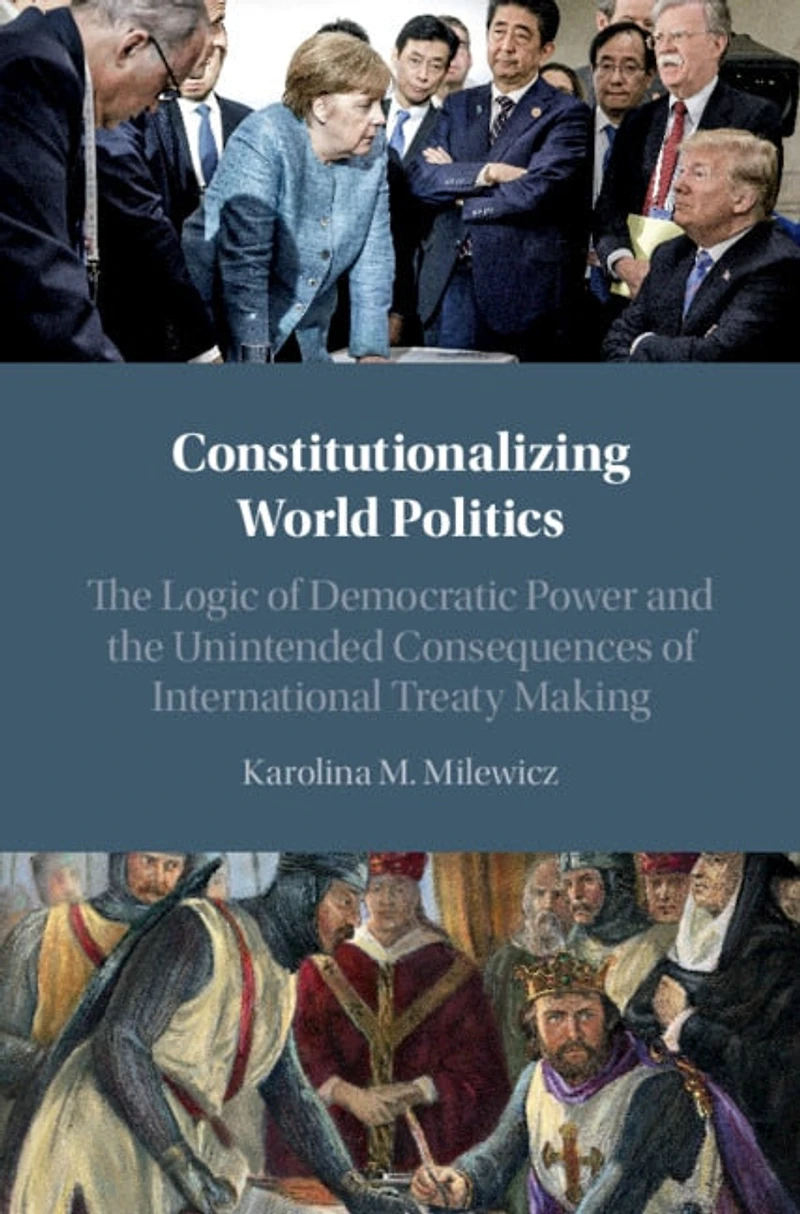
Constitutionalizing World Politics: The Logic Of Democratic Power And The Unintended Consequences Of International Treaty Making
Current price: $130.95

Constitutionalizing World Politics: The Logic Of Democratic Power And The Unintended Consequences Of International Treaty Making
Current price: $130.95
Loading Inventory...
Size: Hardcover
*Product information may vary - to confirm product availability, pricing, shipping and return information please contact Indigo
The elusive ideal of a world constitution is unlikely to be realized any time soon – yet important steps in that direction are happening in world politics. Milewicz argues that international constitutionalization has gathered steam as an unintended by-product of international treaty making in the post-war period. This process is driven by the logic of democratic power, whereby states that are both democratic and powerful – democratic powers – are the strongest promoters of rule-based cooperation. Not realizing the inadvertent and long-term effects of the specialized rules they design, states fall into a constitutionalization trap that is hard to escape as it conforms with their interests and values. Milewicz's analysis will appeal to students and scholars of International Relations and International Law, interested in international cooperation, as well as institutional and constitutional theory and practice.
The elusive ideal of a world constitution is unlikely to be realized any time soon – yet important steps in that direction are happening in world politics. Milewicz argues that international constitutionalization has gathered steam as an unintended by-product of international treaty making in the post-war period. This process is driven by the logic of democratic power, whereby states that are both democratic and powerful – democratic powers – are the strongest promoters of rule-based cooperation. Not realizing the inadvertent and long-term effects of the specialized rules they design, states fall into a constitutionalization trap that is hard to escape as it conforms with their interests and values. Milewicz's analysis will appeal to students and scholars of International Relations and International Law, interested in international cooperation, as well as institutional and constitutional theory and practice.
You May Also Like








More About Indigo at Erin Mills Town Centre
The largest book retailer in Canada also offers toys, music, home décor, gifts and lifestyle products. What's Inside...Books, Magazines, CD’s and DVD’s, Toys and Gifts, Home Accents, Electronics, Baby’s and Children’s Section, Bath and Body, Kitchen and Bedroom, Stationary Located outside in the exterior plaza.
5015 Glen Erin Dr, Mississauga, ON L5M 0R7, Canada
Find Indigo at Erin Mills Town Centre in Mississauga ON
Visit Indigo at Erin Mills Town Centre in Mississauga ON