

GIVE THE PERFECT GIFT
Erin Mills Town Centre Gift Cards are the perfect choice for your gift giving needs.Purchase gift cards at kiosks near the food court or centre court, at Guest Services, or click below to purchase online.PURCHASE HEREHome
Constructing Community: Urban Governance, Development, And Inequality Boston
Indigo
Loading Inventory...
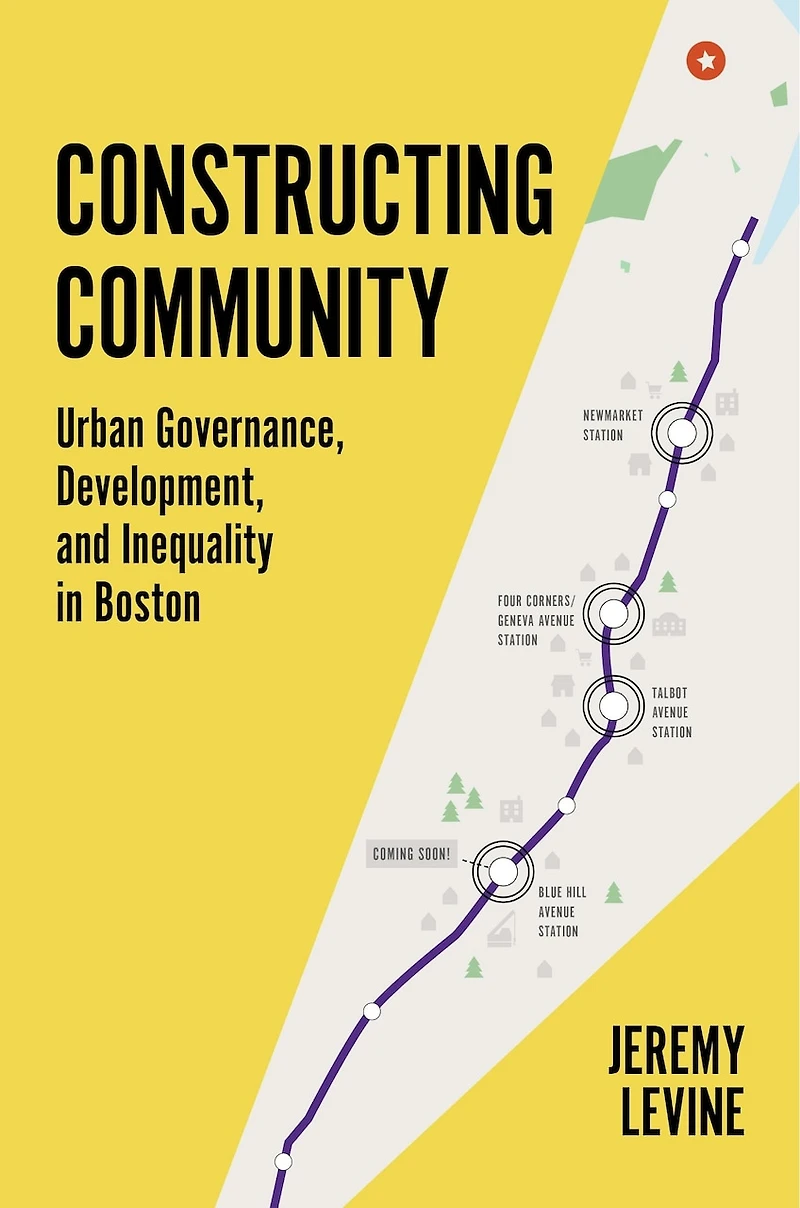
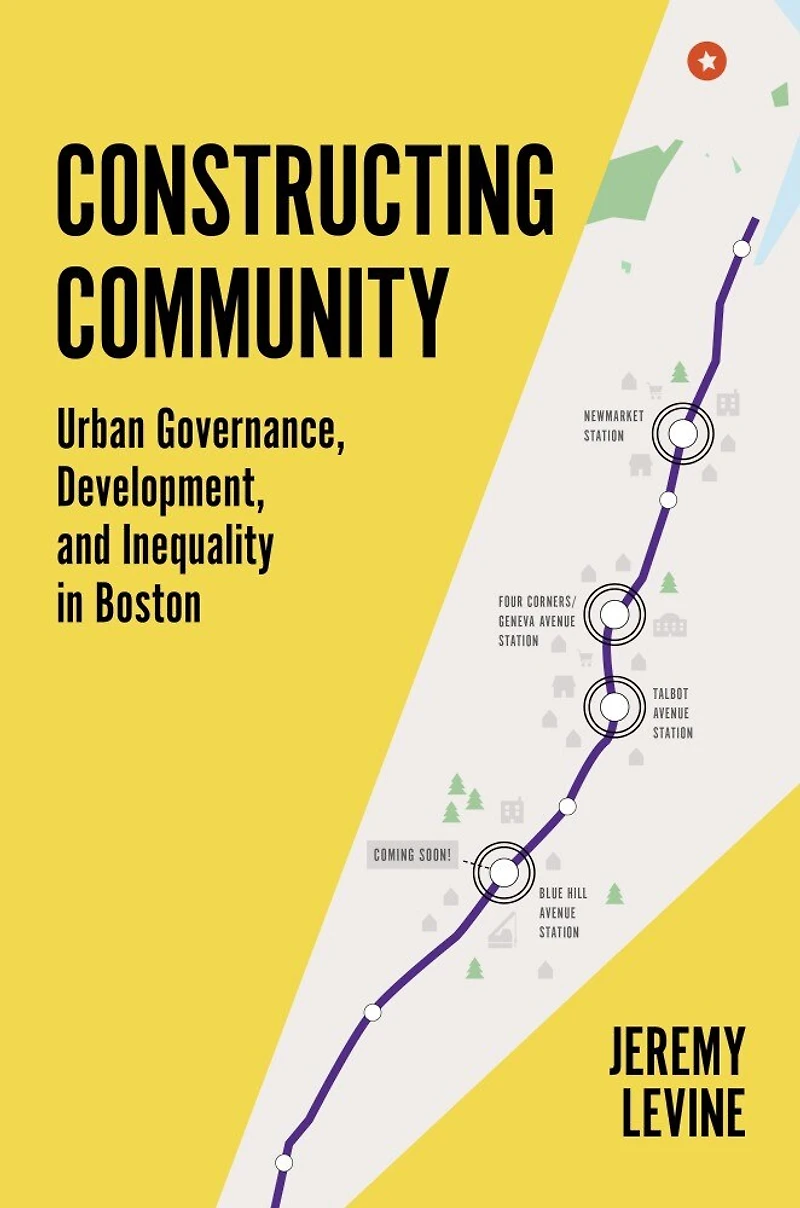
Constructing Community: Urban Governance, Development, And Inequality Boston
Current price: $149.00

Constructing Community: Urban Governance, Development, And Inequality Boston
Current price: $149.00
Loading Inventory...
Size: Hardcover
*Product information may vary - to confirm product availability, pricing, shipping and return information please contact Indigo
A look at the benefits and consequences of the rise of community-based organizations in urban development
Who makes decisions that shape the housing, policies, and social programs in urban neighborhoods? Who, in other words, governs? Constructing Community offers a rich ethnographic portrait of the individuals who implement community development projects in the Fairmount Corridor, one of Boston’s poorest areas. Jeremy Levine uncovers a network of nonprofits and philanthropic foundations making governance decisions alongside public officials—a public-private structure that has implications for democratic representation and neighborhood inequality.
Levine spent four years following key players in Boston’s community development field. While state senators and city councilors are often the public face of new projects, and residents seem empowered through opportunities to participate in public meetings, Levine found a shadow government of nonprofit leaders and philanthropic funders, nonelected neighborhood representatives with their own particular objectives, working behind the scenes. Tying this system together were political performances of “community”—government and nonprofit leaders, all claiming to value the community. Levine provocatively argues that there is no such thing as a singular community voice, meaning any claim of community representation is, by definition, illusory. He shows how community development is as much about constructing the idea of community as it is about the construction of physical buildings in poor neighborhoods.
Constructing Community demonstrates how the nonprofit sector has become integral to urban policymaking, and the tensions and trade-offs that emerge when private nonprofits take on the work of public service provision.
A look at the benefits and consequences of the rise of community-based organizations in urban development
Who makes decisions that shape the housing, policies, and social programs in urban neighborhoods? Who, in other words, governs? Constructing Community offers a rich ethnographic portrait of the individuals who implement community development projects in the Fairmount Corridor, one of Boston’s poorest areas. Jeremy Levine uncovers a network of nonprofits and philanthropic foundations making governance decisions alongside public officials—a public-private structure that has implications for democratic representation and neighborhood inequality.
Levine spent four years following key players in Boston’s community development field. While state senators and city councilors are often the public face of new projects, and residents seem empowered through opportunities to participate in public meetings, Levine found a shadow government of nonprofit leaders and philanthropic funders, nonelected neighborhood representatives with their own particular objectives, working behind the scenes. Tying this system together were political performances of “community”—government and nonprofit leaders, all claiming to value the community. Levine provocatively argues that there is no such thing as a singular community voice, meaning any claim of community representation is, by definition, illusory. He shows how community development is as much about constructing the idea of community as it is about the construction of physical buildings in poor neighborhoods.
Constructing Community demonstrates how the nonprofit sector has become integral to urban policymaking, and the tensions and trade-offs that emerge when private nonprofits take on the work of public service provision.
You May Also Like











More About Indigo at Erin Mills Town Centre
The largest book retailer in Canada also offers toys, music, home décor, gifts and lifestyle products. What's Inside...Books, Magazines, CD’s and DVD’s, Toys and Gifts, Home Accents, Electronics, Baby’s and Children’s Section, Bath and Body, Kitchen and Bedroom, Stationary Located outside in the exterior plaza.
5015 Glen Erin Dr, Mississauga, ON L5M 0R7, Canada
Find Indigo at Erin Mills Town Centre in Mississauga ON
Visit Indigo at Erin Mills Town Centre in Mississauga ON