

GIVE THE PERFECT GIFT
Erin Mills Town Centre Gift Cards are the perfect choice for your gift giving needs.Purchase gift cards at kiosks near the food court or centre court, at Guest Services, or click below to purchase online.PURCHASE HEREHome
Consuming Irish Children: Advertising and the Art of Independence, 1860-1921
Indigo
Loading Inventory...
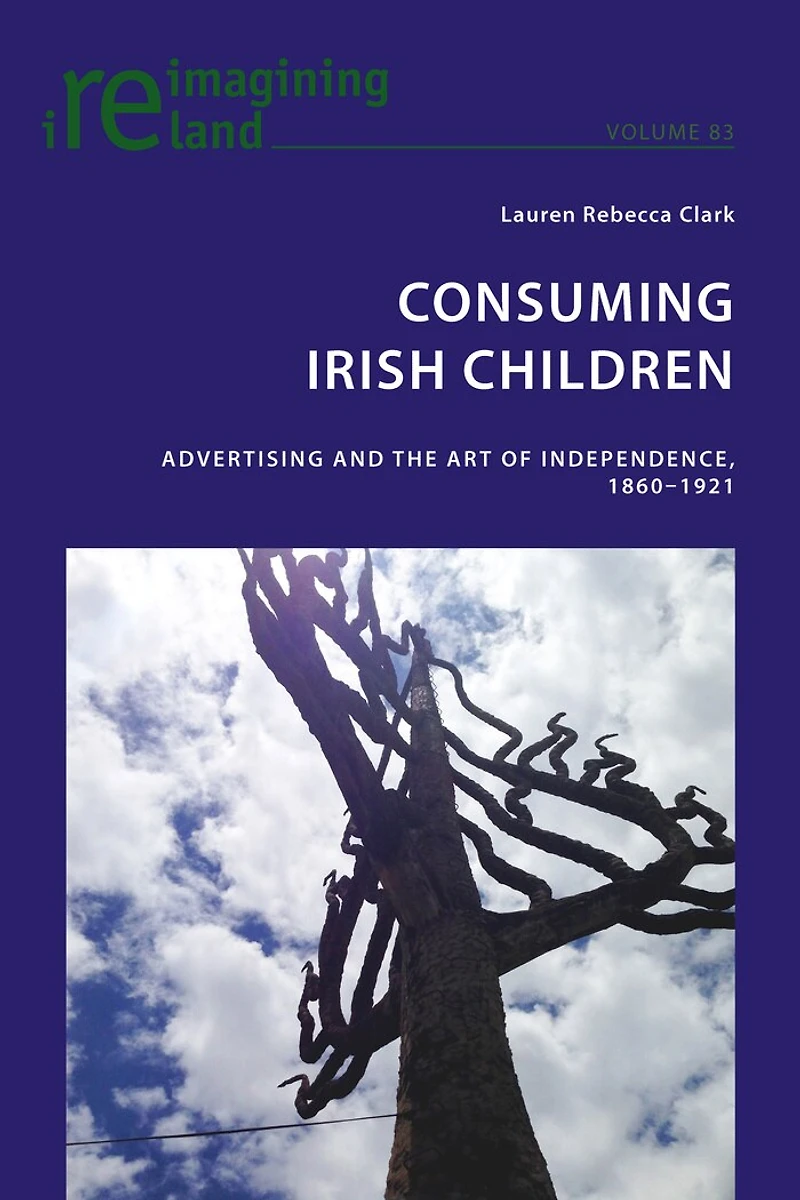
Consuming Irish Children: Advertising and the Art of Independence, 1860-1921
Current price: $78.99
Original price: $97.84

Consuming Irish Children: Advertising and the Art of Independence, 1860-1921
Current price: $78.99
Original price: $97.84
Loading Inventory...
Size: Kobo eBook
*Product information may vary - to confirm product availability, pricing, shipping and return information please contact Indigo
As far as Irish history is concerned, consuming Irish children was not only a matter for Jonathan Swift’s A Modest Proposal . Late nineteenth-century Ireland saw the emergence of a thriving home-grown advertising industry, and the Irish child played a pivotal role in developing a nascent consumer state from the 1860s until 1921. Through extensive analysis of advertising copy, historical materials, ephemera and literature, this study links the child-centred consumer culture of Victorian Ireland with its impact on the establishment of the independent state. This form of Celtic consumerism was also evident in Scotland following the Gaelic Revival, positioning the child as the newest participant in a national process of consumption. Due to high child literacy rates, which outstripped those of mainland Britain, Ireland’s children were appealed to as literate consumers in advertising copy and were informed of the perils or benefits of consumer culture in late Victorian Irish literature. This book presents a fascinating picture of the role of the child in the Irish marketplace at the fin de sicle , as well as investigating simultaneous developments in the Irish education system and laws concerning the care and welfare of children.
As far as Irish history is concerned, consuming Irish children was not only a matter for Jonathan Swift’s A Modest Proposal . Late nineteenth-century Ireland saw the emergence of a thriving home-grown advertising industry, and the Irish child played a pivotal role in developing a nascent consumer state from the 1860s until 1921. Through extensive analysis of advertising copy, historical materials, ephemera and literature, this study links the child-centred consumer culture of Victorian Ireland with its impact on the establishment of the independent state. This form of Celtic consumerism was also evident in Scotland following the Gaelic Revival, positioning the child as the newest participant in a national process of consumption. Due to high child literacy rates, which outstripped those of mainland Britain, Ireland’s children were appealed to as literate consumers in advertising copy and were informed of the perils or benefits of consumer culture in late Victorian Irish literature. This book presents a fascinating picture of the role of the child in the Irish marketplace at the fin de sicle , as well as investigating simultaneous developments in the Irish education system and laws concerning the care and welfare of children.
You May Also Like








More About Indigo at Erin Mills Town Centre
The largest book retailer in Canada also offers toys, music, home décor, gifts and lifestyle products. What's Inside...Books, Magazines, CD’s and DVD’s, Toys and Gifts, Home Accents, Electronics, Baby’s and Children’s Section, Bath and Body, Kitchen and Bedroom, Stationary Located outside in the exterior plaza.
5015 Glen Erin Dr, Mississauga, ON L5M 0R7, Canada
Find Indigo at Erin Mills Town Centre in Mississauga ON
Visit Indigo at Erin Mills Town Centre in Mississauga ON