

GIVE THE PERFECT GIFT
Erin Mills Town Centre Gift Cards are the perfect choice for your gift giving needs.Purchase gift cards at kiosks near the food court or centre court, at Guest Services, or click below to purchase online.PURCHASE HEREHome
Contaminants Agriculture: Sources, Impacts and Management
Indigo
Loading Inventory...
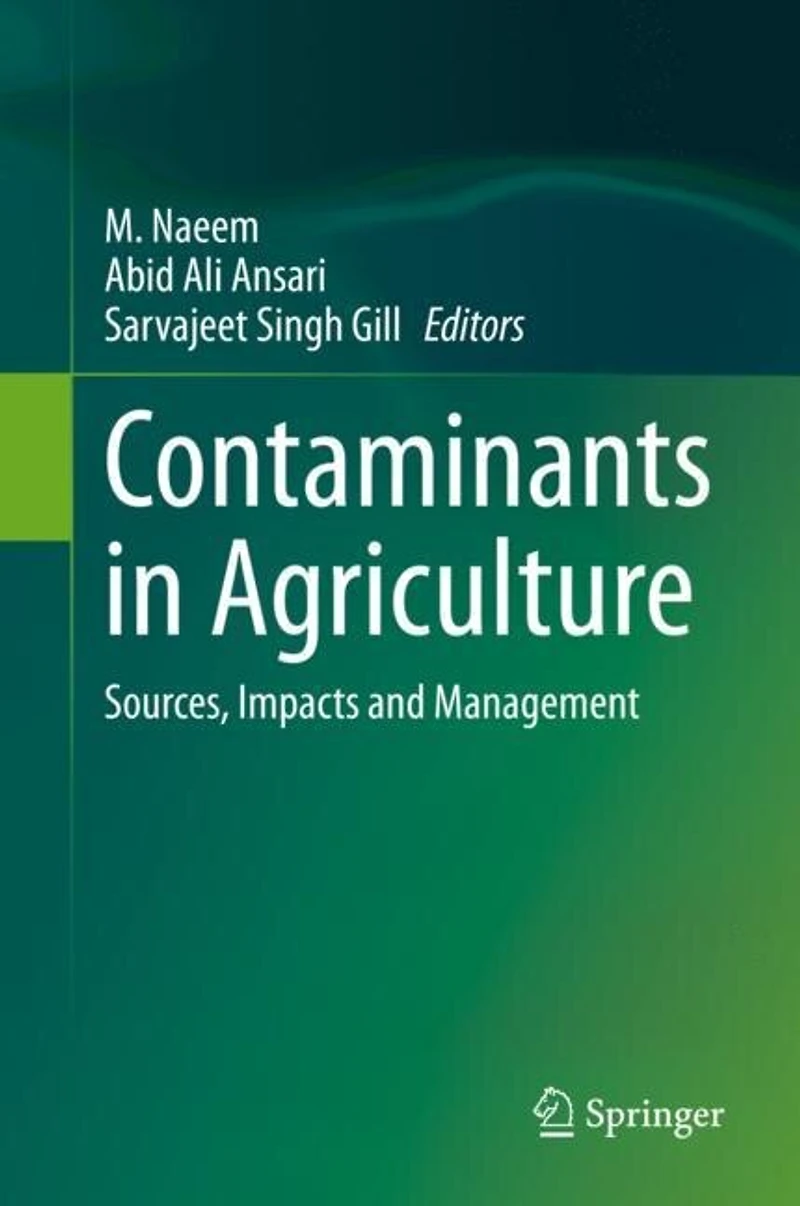
Contaminants Agriculture: Sources, Impacts and Management
Current price: $248.50

Contaminants Agriculture: Sources, Impacts and Management
Current price: $248.50
Loading Inventory...
Size: Hardcover
*Product information may vary - to confirm product availability, pricing, shipping and return information please contact Indigo
This comprehensive volume covers recent studies into agricultural problems caused by soil and water contamination. Considering the importance of agricultural crops to human health, the editors have focused on chapters detailing the negative impact of heavy metals, excessive chemical fertilizer use, nutrients, pesticides, herbicides, insecticides, agricultural wastes and toxic pollutants, among others, on agricultural soil and crops. In addition, the chapters offer solutions to these negative impacts through various scientific approaches, including using biotechnology, nanotechnology, nutrient management strategies, biofertilizers, as well as potent PGRs and elicitors. This book serves as a key source of information on scientific and engineered approaches and challenges for the bioremediation of agricultural contamination worldwide. This book should be helpful for research students, teachers, agriculturalists, agronomists, botanists, and plant growers, as well asin the fields of agriculture, agronomy, plant science, plant biology, and biotechnology, among others. It serves as an excellent reference on the current research and future directions of contaminants in agriculture from laboratory research to field application.
This comprehensive volume covers recent studies into agricultural problems caused by soil and water contamination. Considering the importance of agricultural crops to human health, the editors have focused on chapters detailing the negative impact of heavy metals, excessive chemical fertilizer use, nutrients, pesticides, herbicides, insecticides, agricultural wastes and toxic pollutants, among others, on agricultural soil and crops. In addition, the chapters offer solutions to these negative impacts through various scientific approaches, including using biotechnology, nanotechnology, nutrient management strategies, biofertilizers, as well as potent PGRs and elicitors. This book serves as a key source of information on scientific and engineered approaches and challenges for the bioremediation of agricultural contamination worldwide. This book should be helpful for research students, teachers, agriculturalists, agronomists, botanists, and plant growers, as well asin the fields of agriculture, agronomy, plant science, plant biology, and biotechnology, among others. It serves as an excellent reference on the current research and future directions of contaminants in agriculture from laboratory research to field application.
You May Also Like







More About Indigo at Erin Mills Town Centre
The largest book retailer in Canada also offers toys, music, home décor, gifts and lifestyle products. What's Inside...Books, Magazines, CD’s and DVD’s, Toys and Gifts, Home Accents, Electronics, Baby’s and Children’s Section, Bath and Body, Kitchen and Bedroom, Stationary Located outside in the exterior plaza.
5015 Glen Erin Dr, Mississauga, ON L5M 0R7, Canada
Find Indigo at Erin Mills Town Centre in Mississauga ON
Visit Indigo at Erin Mills Town Centre in Mississauga ON