

GIVE THE PERFECT GIFT
Erin Mills Town Centre Gift Cards are the perfect choice for your gift giving needs.Purchase gift cards at kiosks near the food court or centre court, at Guest Services, or click below to purchase online.PURCHASE HEREHome
Contested Christianity: The Political and Social Contexts of Victorian Theology
Indigo
Loading Inventory...
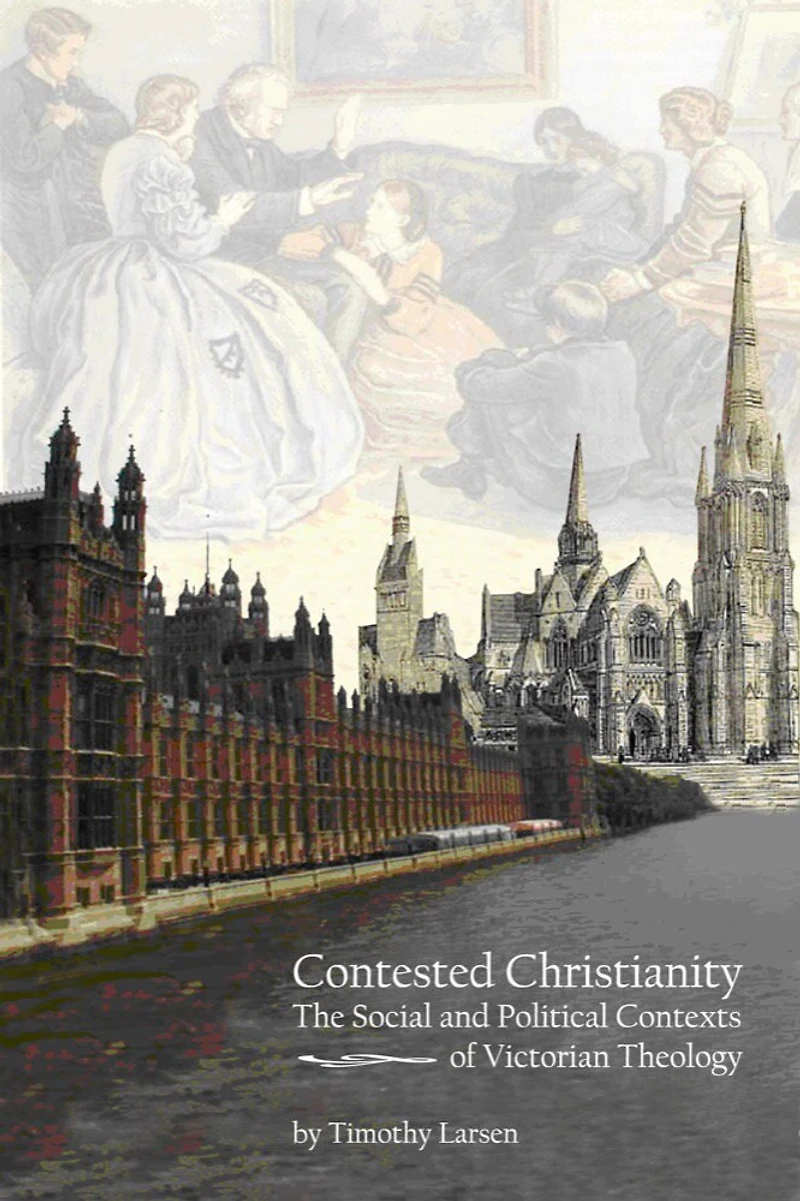
Contested Christianity: The Political and Social Contexts of Victorian Theology
Current price: $28.23

Contested Christianity: The Political and Social Contexts of Victorian Theology
Current price: $28.23
Loading Inventory...
Size: Paperback
*Product information may vary - to confirm product availability, pricing, shipping and return information please contact Indigo
This volume explores the cultural, political and intellectual forces that helped shape and define nineteenth-century British Christianity. Larsen challenges many of the standard assumptions about Victorian era Christians in their attempts to embody their theological commitments. In contrast to other studies of the period, Larsen highlights the way in which Dissenters and other free church evangelicals employed the full range of theological resources available to them to take stands that the wider culture was still resisting--e.g., evangelical Nonconformists enfranchising women, siding with the black population of Jamaica in opposition to their own colonial governor, championing the rights of Jews, Roman Catholics, and atheists. All of these stances belie the stereotypes of Victorian evangelicals currently in existence (even among Victorian scholars) and properly shift the focus to Dissent, to plebeian culture, to social contexts, and to the cultural and political consequences of theological commitment. This study brings freshness and verve to the study of religion and the Victorians, bearing fruit in a range of significant, and often counter-intuitive, findings and connections.
This volume explores the cultural, political and intellectual forces that helped shape and define nineteenth-century British Christianity. Larsen challenges many of the standard assumptions about Victorian era Christians in their attempts to embody their theological commitments. In contrast to other studies of the period, Larsen highlights the way in which Dissenters and other free church evangelicals employed the full range of theological resources available to them to take stands that the wider culture was still resisting--e.g., evangelical Nonconformists enfranchising women, siding with the black population of Jamaica in opposition to their own colonial governor, championing the rights of Jews, Roman Catholics, and atheists. All of these stances belie the stereotypes of Victorian evangelicals currently in existence (even among Victorian scholars) and properly shift the focus to Dissent, to plebeian culture, to social contexts, and to the cultural and political consequences of theological commitment. This study brings freshness and verve to the study of religion and the Victorians, bearing fruit in a range of significant, and often counter-intuitive, findings and connections.
You May Also Like







More About Indigo at Erin Mills Town Centre
The largest book retailer in Canada also offers toys, music, home décor, gifts and lifestyle products. What's Inside...Books, Magazines, CD’s and DVD’s, Toys and Gifts, Home Accents, Electronics, Baby’s and Children’s Section, Bath and Body, Kitchen and Bedroom, Stationary Located outside in the exterior plaza.
5015 Glen Erin Dr, Mississauga, ON L5M 0R7, Canada
Find Indigo at Erin Mills Town Centre in Mississauga ON
Visit Indigo at Erin Mills Town Centre in Mississauga ON