

GIVE THE PERFECT GIFT
Erin Mills Town Centre Gift Cards are the perfect choice for your gift giving needs.Purchase gift cards at kiosks near the food court or centre court, at Guest Services, or click below to purchase online.PURCHASE HEREHome
Contested Interpretations of the Past in Polish, Russian, and Ukrainian Film: Screen as Battlefield
Indigo
Loading Inventory...
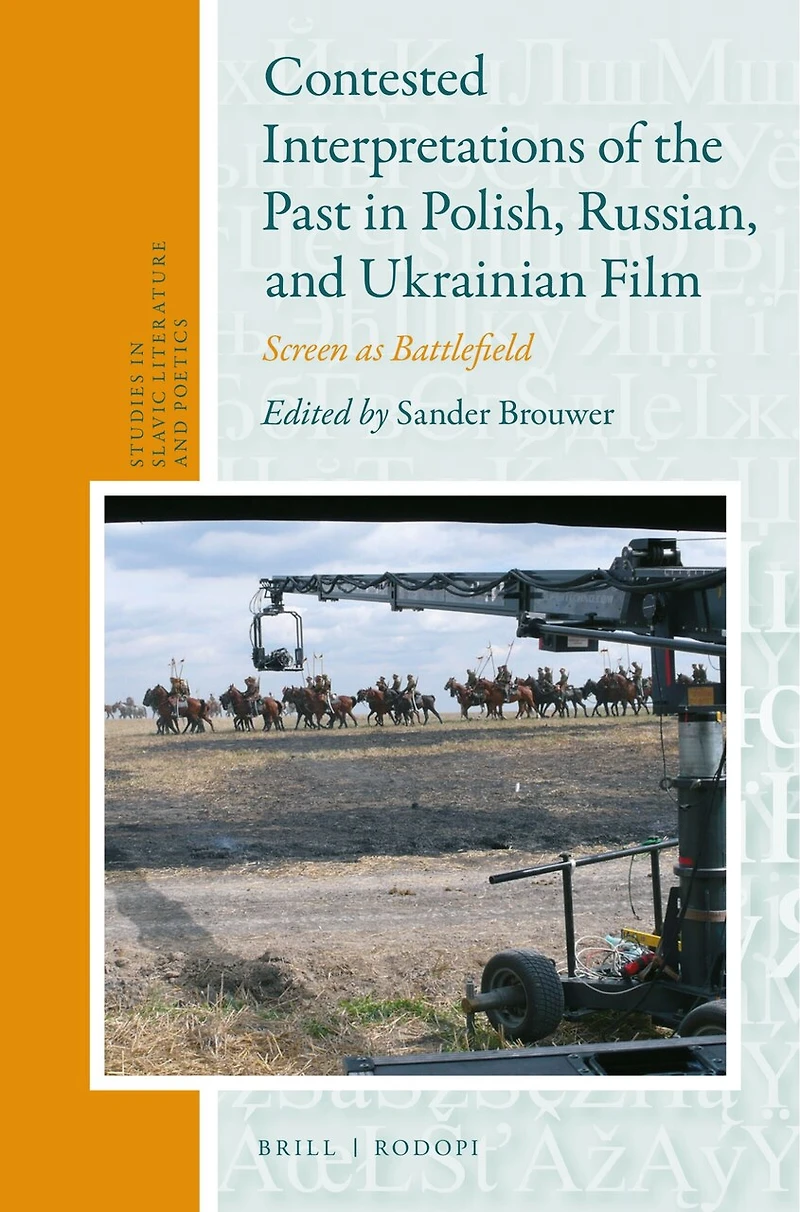
Contested Interpretations of the Past in Polish, Russian, and Ukrainian Film: Screen as Battlefield
Current price: $137.99

Contested Interpretations of the Past in Polish, Russian, and Ukrainian Film: Screen as Battlefield
Current price: $137.99
Loading Inventory...
Size: Hardcover
*Product information may vary - to confirm product availability, pricing, shipping and return information please contact Indigo
Questions of collective identity and nationhood dominate the memory debate in both the high and popular cultures of postsocialist Russia, Poland and Ukraine. Often the ‘Soviet’ and ‘Russian’ identity are reconstructed as identical; others remember the Soviet regime as an anonymous supranational ‘Empire’, in which both Russian and non-Russian national cultures were destroyed. At the heart of this ‘empire talk’ is a series of questions pivoting on the opposition between constructed ‘ethnic’ and ‘imperial’ identities. Did ethnic Russians constitute the core group who implemented the Soviet Terror, e.g. the mass murders of the Poles in Katyn and the Ukrainians in the Holodomor? Or were Russians themselves victims of a faceless totalitarianism? The papers in this volume explore the divergent and conflicting ways in which the Soviet regime is remembered and re-imagined in contemporary Russian, Polish and Ukrainian cinema and media.
Questions of collective identity and nationhood dominate the memory debate in both the high and popular cultures of postsocialist Russia, Poland and Ukraine. Often the ‘Soviet’ and ‘Russian’ identity are reconstructed as identical; others remember the Soviet regime as an anonymous supranational ‘Empire’, in which both Russian and non-Russian national cultures were destroyed. At the heart of this ‘empire talk’ is a series of questions pivoting on the opposition between constructed ‘ethnic’ and ‘imperial’ identities. Did ethnic Russians constitute the core group who implemented the Soviet Terror, e.g. the mass murders of the Poles in Katyn and the Ukrainians in the Holodomor? Or were Russians themselves victims of a faceless totalitarianism? The papers in this volume explore the divergent and conflicting ways in which the Soviet regime is remembered and re-imagined in contemporary Russian, Polish and Ukrainian cinema and media.
You May Also Like







More About Indigo at Erin Mills Town Centre
The largest book retailer in Canada also offers toys, music, home décor, gifts and lifestyle products. What's Inside...Books, Magazines, CD’s and DVD’s, Toys and Gifts, Home Accents, Electronics, Baby’s and Children’s Section, Bath and Body, Kitchen and Bedroom, Stationary Located outside in the exterior plaza.
5015 Glen Erin Dr, Mississauga, ON L5M 0R7, Canada
Find Indigo at Erin Mills Town Centre in Mississauga ON
Visit Indigo at Erin Mills Town Centre in Mississauga ON