

GIVE THE PERFECT GIFT
Erin Mills Town Centre Gift Cards are the perfect choice for your gift giving needs.Purchase gift cards at kiosks near the food court or centre court, at Guest Services, or click below to purchase online.PURCHASE HEREHome
Control in the Sky: The Evolution & History of the Aircraft Cockpit
Indigo
Loading Inventory...
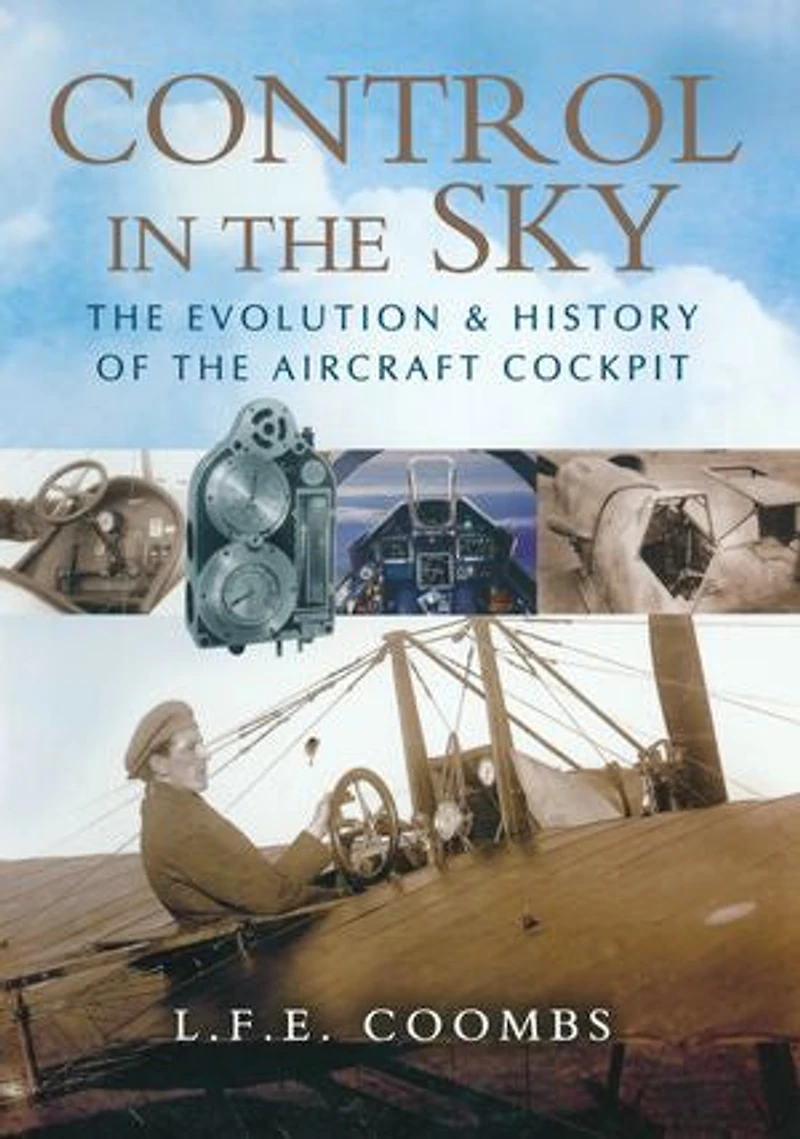
Control in the Sky: The Evolution & History of the Aircraft Cockpit
Current price: $11.19
Original price: $13.99

Control in the Sky: The Evolution & History of the Aircraft Cockpit
Current price: $11.19
Original price: $13.99
Loading Inventory...
Size: Kobo eBook
*Product information may vary - to confirm product availability, pricing, shipping and return information please contact Indigo
In the first early years of aviation, the control systems and instruments found in a typical aircraft cockpit were few and simple, but did form the basic pattern of requirements still used today. Although pioneering aeroplanes seldom achieved speeds above 100 mph or reached altitudes above 10,000 feet, pilots still required reliable information on speed, altitude, attitude, engine condition and compass direction. Instruments and controls were designed and positioned for mechanical convenience rather than pilot comfort. This situation continued well into the 1930s and then the remarkable increase in aircraft performance created during World War II generated an altogether different working environment for pilots who now had to cope with a multitude of information sources and far more sophisticated control mechanisms. Aircraft designers now considered how best to organise cockpits and flight decks to assist the pilot. This is the history of how ergonomically designed civil and military aircraft cockpits and flight decks evolved. Civil aircraft now regularly fly at transonic speeds at around 35,000 feet, and military jets at twice the speed of sound on the edge of space. These are demanding environments. However, modern cockpit-technologies, with simplified presentation of flight information and finger-tip controls, have eased pilot's tasks.
In the first early years of aviation, the control systems and instruments found in a typical aircraft cockpit were few and simple, but did form the basic pattern of requirements still used today. Although pioneering aeroplanes seldom achieved speeds above 100 mph or reached altitudes above 10,000 feet, pilots still required reliable information on speed, altitude, attitude, engine condition and compass direction. Instruments and controls were designed and positioned for mechanical convenience rather than pilot comfort. This situation continued well into the 1930s and then the remarkable increase in aircraft performance created during World War II generated an altogether different working environment for pilots who now had to cope with a multitude of information sources and far more sophisticated control mechanisms. Aircraft designers now considered how best to organise cockpits and flight decks to assist the pilot. This is the history of how ergonomically designed civil and military aircraft cockpits and flight decks evolved. Civil aircraft now regularly fly at transonic speeds at around 35,000 feet, and military jets at twice the speed of sound on the edge of space. These are demanding environments. However, modern cockpit-technologies, with simplified presentation of flight information and finger-tip controls, have eased pilot's tasks.
You May Also Like








More About Indigo at Erin Mills Town Centre
The largest book retailer in Canada also offers toys, music, home décor, gifts and lifestyle products. What's Inside...Books, Magazines, CD’s and DVD’s, Toys and Gifts, Home Accents, Electronics, Baby’s and Children’s Section, Bath and Body, Kitchen and Bedroom, Stationary Located outside in the exterior plaza.
5015 Glen Erin Dr, Mississauga, ON L5M 0R7, Canada
Find Indigo at Erin Mills Town Centre in Mississauga ON
Visit Indigo at Erin Mills Town Centre in Mississauga ON