

GIVE THE PERFECT GIFT
Erin Mills Town Centre Gift Cards are the perfect choice for your gift giving needs.Purchase gift cards at kiosks near the food court or centre court, at Guest Services, or click below to purchase online.PURCHASE HEREHome
Convent Autobiography: Early Modern English Nuns In Exile
Indigo
Loading Inventory...
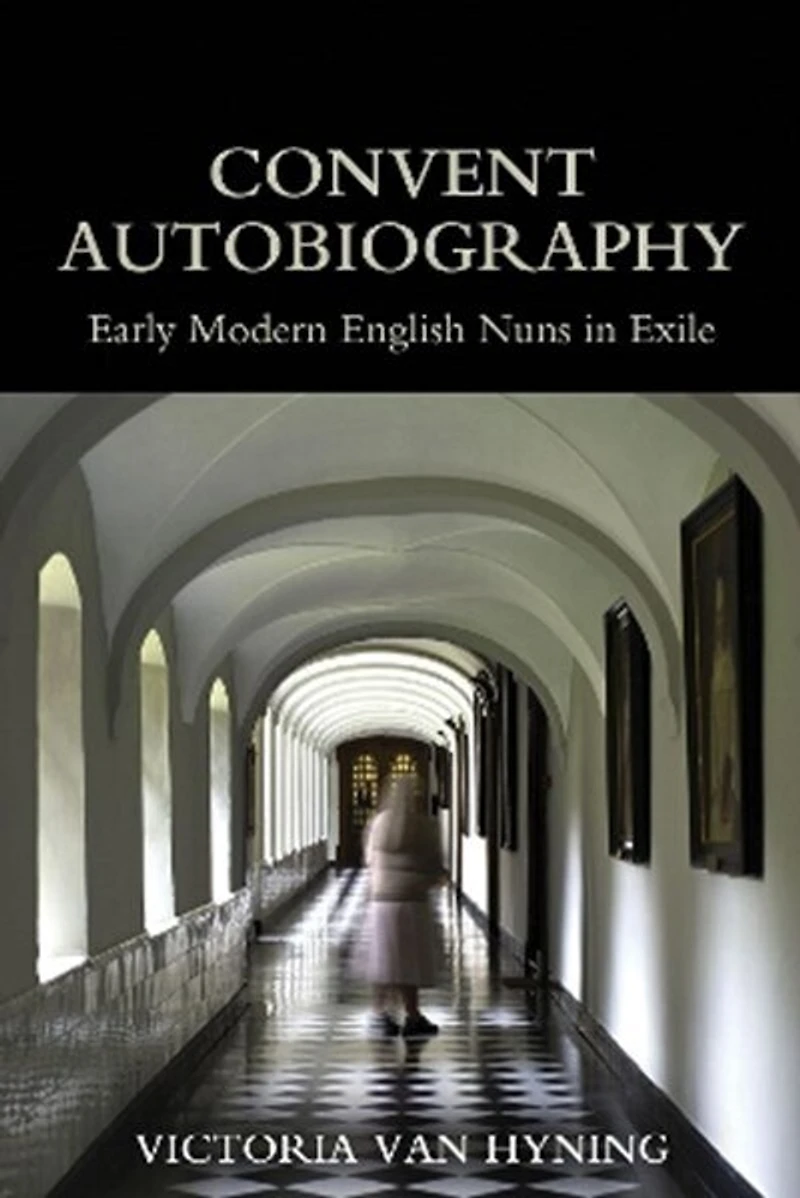
Convent Autobiography: Early Modern English Nuns In Exile
Current price: $148.95

Convent Autobiography: Early Modern English Nuns In Exile
Current price: $148.95
Loading Inventory...
Size: Hardcover
*Product information may vary - to confirm product availability, pricing, shipping and return information please contact Indigo
Convent Autobiography reveals how English Catholic women wrote about themselves, their families, and their lives in a period where it was illegal to practice Catholicism in England. These nuns went into a two-fold kind of exile for their beliefs. They moved abroad and they "died to the world", trying to cut ties with family and friends. Yet their convents needed support from outsiders to thrive. The nuns studied here reveal how they navigated this through their letters, printed works, paintings, and prayers. Often times these women wrote anonymously, a common practice for nuns, monks, and devout people of many religious persuasions up until the twentieth century. But anonymity was not just a neutral way of signalling humility or deep religious belief; it could allow people to write about themselves a lot more than they would have while writing under their own name. Exploring how some nuns exploited this to shape their convent's chronicle around their own points of view, Convent Autobiography holds up a mirror to the think about the double-edged role of anonymity throughout history.
Convent Autobiography reveals how English Catholic women wrote about themselves, their families, and their lives in a period where it was illegal to practice Catholicism in England. These nuns went into a two-fold kind of exile for their beliefs. They moved abroad and they "died to the world", trying to cut ties with family and friends. Yet their convents needed support from outsiders to thrive. The nuns studied here reveal how they navigated this through their letters, printed works, paintings, and prayers. Often times these women wrote anonymously, a common practice for nuns, monks, and devout people of many religious persuasions up until the twentieth century. But anonymity was not just a neutral way of signalling humility or deep religious belief; it could allow people to write about themselves a lot more than they would have while writing under their own name. Exploring how some nuns exploited this to shape their convent's chronicle around their own points of view, Convent Autobiography holds up a mirror to the think about the double-edged role of anonymity throughout history.
You May Also Like







More About Indigo at Erin Mills Town Centre
The largest book retailer in Canada also offers toys, music, home décor, gifts and lifestyle products. What's Inside...Books, Magazines, CD’s and DVD’s, Toys and Gifts, Home Accents, Electronics, Baby’s and Children’s Section, Bath and Body, Kitchen and Bedroom, Stationary Located outside in the exterior plaza.
5015 Glen Erin Dr, Mississauga, ON L5M 0R7, Canada
Find Indigo at Erin Mills Town Centre in Mississauga ON
Visit Indigo at Erin Mills Town Centre in Mississauga ON