

GIVE THE PERFECT GIFT
Erin Mills Town Centre Gift Cards are the perfect choice for your gift giving needs.Purchase gift cards at kiosks near the food court or centre court, at Guest Services, or click below to purchase online.PURCHASE HEREHome
Conversations with Orhan Pamuk
Indigo
Loading Inventory...
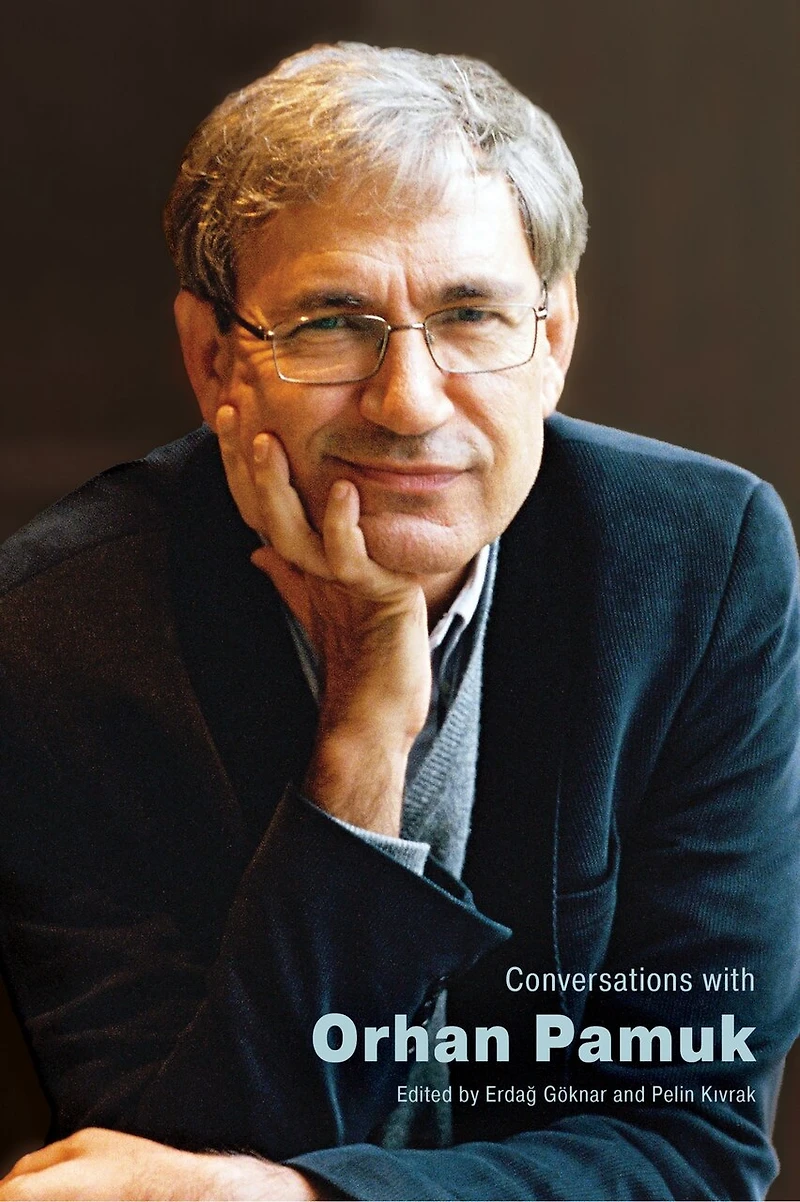
Conversations with Orhan Pamuk
Current price: $141.30

Conversations with Orhan Pamuk
Current price: $141.30
Loading Inventory...
Size: Hardcover
*Product information may vary - to confirm product availability, pricing, shipping and return information please contact Indigo
In over thirty interviews conducted between 1982 and 2022, Conversations with Orhan Pamuk reveals a writer of intense literary and political engagement.
Nobel Laureate Orhan Pamuk (b. 1952) is a foremost practitioner of the global novel today. His books have been translated into over sixty languages and sold over fifteen million copies globally.
The interviews in this volume open windows onto Pamuk's everyday life, craft, and process, constituting an alternative literary history that provides insights into the novelist's influences, method, form, and content. These conversations reveal that a Pamuk novel is predicated on methodical research, at times archival and scholarly, investigative and journalistic, or ethnographic. They are necessarily instructive and edifying as much as they are entertaining, providing a discursive space of literary history where writing, politics, and the everyday intersect and where the politics of literature can be located.
In over thirty interviews conducted between 1982 and 2022, Conversations with Orhan Pamuk reveals a writer of intense literary and political engagement.
Nobel Laureate Orhan Pamuk (b. 1952) is a foremost practitioner of the global novel today. His books have been translated into over sixty languages and sold over fifteen million copies globally.
The interviews in this volume open windows onto Pamuk's everyday life, craft, and process, constituting an alternative literary history that provides insights into the novelist's influences, method, form, and content. These conversations reveal that a Pamuk novel is predicated on methodical research, at times archival and scholarly, investigative and journalistic, or ethnographic. They are necessarily instructive and edifying as much as they are entertaining, providing a discursive space of literary history where writing, politics, and the everyday intersect and where the politics of literature can be located.
You May Also Like









More About Indigo at Erin Mills Town Centre
The largest book retailer in Canada also offers toys, music, home décor, gifts and lifestyle products. What's Inside...Books, Magazines, CD’s and DVD’s, Toys and Gifts, Home Accents, Electronics, Baby’s and Children’s Section, Bath and Body, Kitchen and Bedroom, Stationary Located outside in the exterior plaza.
5015 Glen Erin Dr, Mississauga, ON L5M 0R7, Canada
Find Indigo at Erin Mills Town Centre in Mississauga ON
Visit Indigo at Erin Mills Town Centre in Mississauga ON