

GIVE THE PERFECT GIFT
Erin Mills Town Centre Gift Cards are the perfect choice for your gift giving needs.Purchase gift cards at kiosks near the food court or centre court, at Guest Services, or click below to purchase online.PURCHASE HEREHome
Cooking up a revolution: Food Not Bombs, Homes Jails, and resistance to gentrification
Indigo
Loading Inventory...
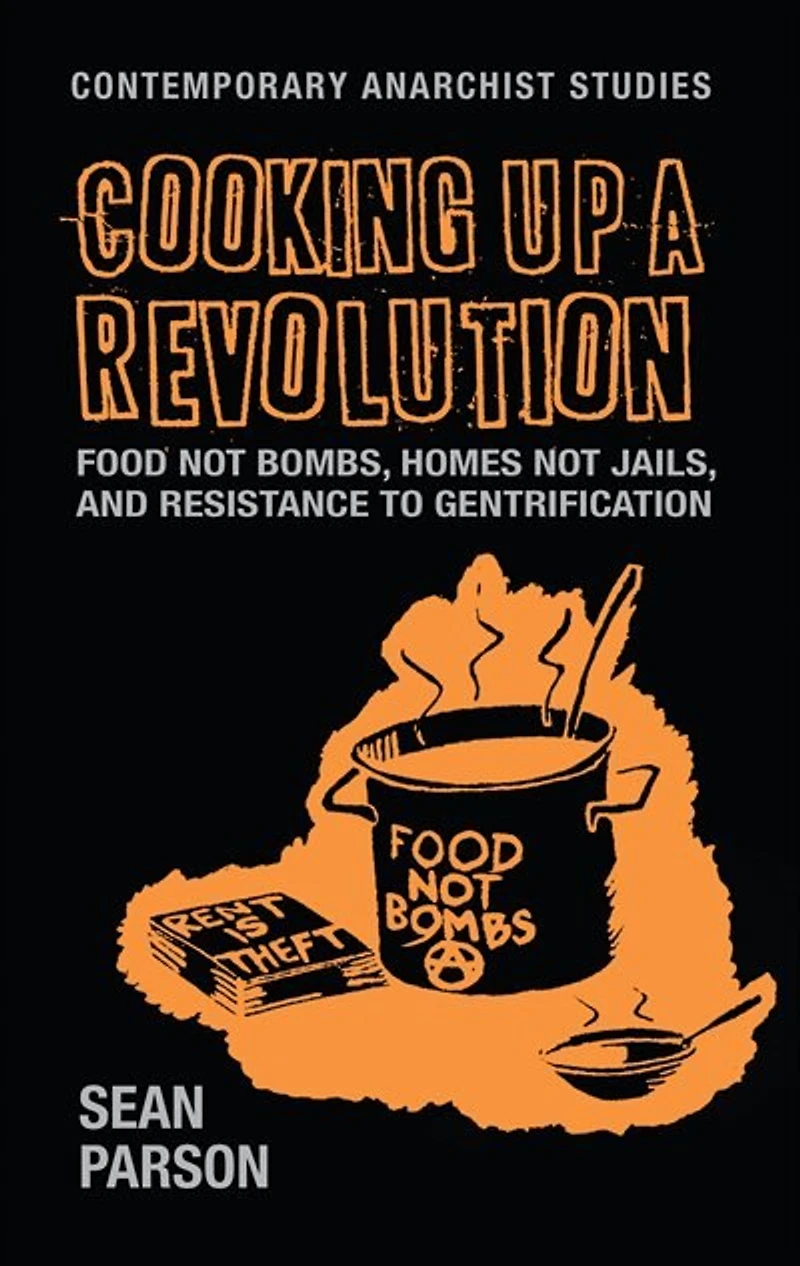
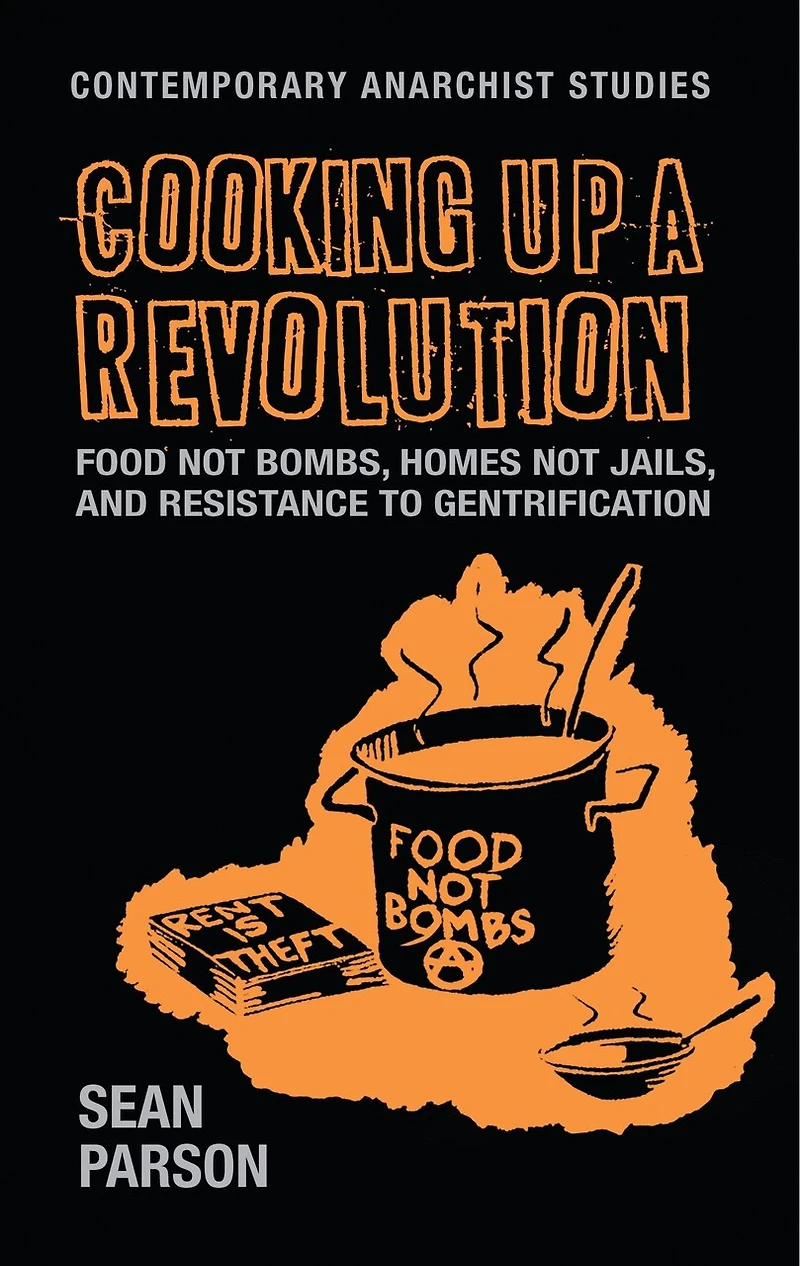
Cooking up a revolution: Food Not Bombs, Homes Jails, and resistance to gentrification
Current price: $170.00

Cooking up a revolution: Food Not Bombs, Homes Jails, and resistance to gentrification
Current price: $170.00
Loading Inventory...
Size: Hardcover
*Product information may vary - to confirm product availability, pricing, shipping and return information please contact Indigo
During the late 1980s and early 1990s the city of San Francisco waged a war against the homeless. Over 1,000 arrests and citations where handed out by the police to activists for simply distributing free food in public parks. Why would a liberal city arrest activists helping the homeless? In exploring this question, the book treats the conflict between the city and activists as a unique opportunity to examine the contested nature of homelessness and public space while developing an anarchist alternative to liberal urban politics that is rooted in mutual aid, solidarity, and anti-capitalism. In addition to exploring theoretical and political issues related to gentrification, broken-windows policing, and anti-homeless laws, this book provides activists, students and scholars, examples of how anarchist homeless activists in San Francisco resisted these processes.
This book is relevant to United Nations Sustainable Development Goal 2, Zero hunger.
During the late 1980s and early 1990s the city of San Francisco waged a war against the homeless. Over 1,000 arrests and citations where handed out by the police to activists for simply distributing free food in public parks. Why would a liberal city arrest activists helping the homeless? In exploring this question, the book treats the conflict between the city and activists as a unique opportunity to examine the contested nature of homelessness and public space while developing an anarchist alternative to liberal urban politics that is rooted in mutual aid, solidarity, and anti-capitalism. In addition to exploring theoretical and political issues related to gentrification, broken-windows policing, and anti-homeless laws, this book provides activists, students and scholars, examples of how anarchist homeless activists in San Francisco resisted these processes.
This book is relevant to United Nations Sustainable Development Goal 2, Zero hunger.
You May Also Like















More About Indigo at Erin Mills Town Centre
The largest book retailer in Canada also offers toys, music, home décor, gifts and lifestyle products. What's Inside...Books, Magazines, CD’s and DVD’s, Toys and Gifts, Home Accents, Electronics, Baby’s and Children’s Section, Bath and Body, Kitchen and Bedroom, Stationary Located outside in the exterior plaza.
5015 Glen Erin Dr, Mississauga, ON L5M 0R7, Canada
Find Indigo at Erin Mills Town Centre in Mississauga ON
Visit Indigo at Erin Mills Town Centre in Mississauga ON