

GIVE THE PERFECT GIFT
Erin Mills Town Centre Gift Cards are the perfect choice for your gift giving needs.Purchase gift cards at kiosks near the food court or centre court, at Guest Services, or click below to purchase online.PURCHASE HEREHome
Cooperative Cognitive Radio Networking: System Model, Enabling Techniques, And Performance
Indigo
Loading Inventory...
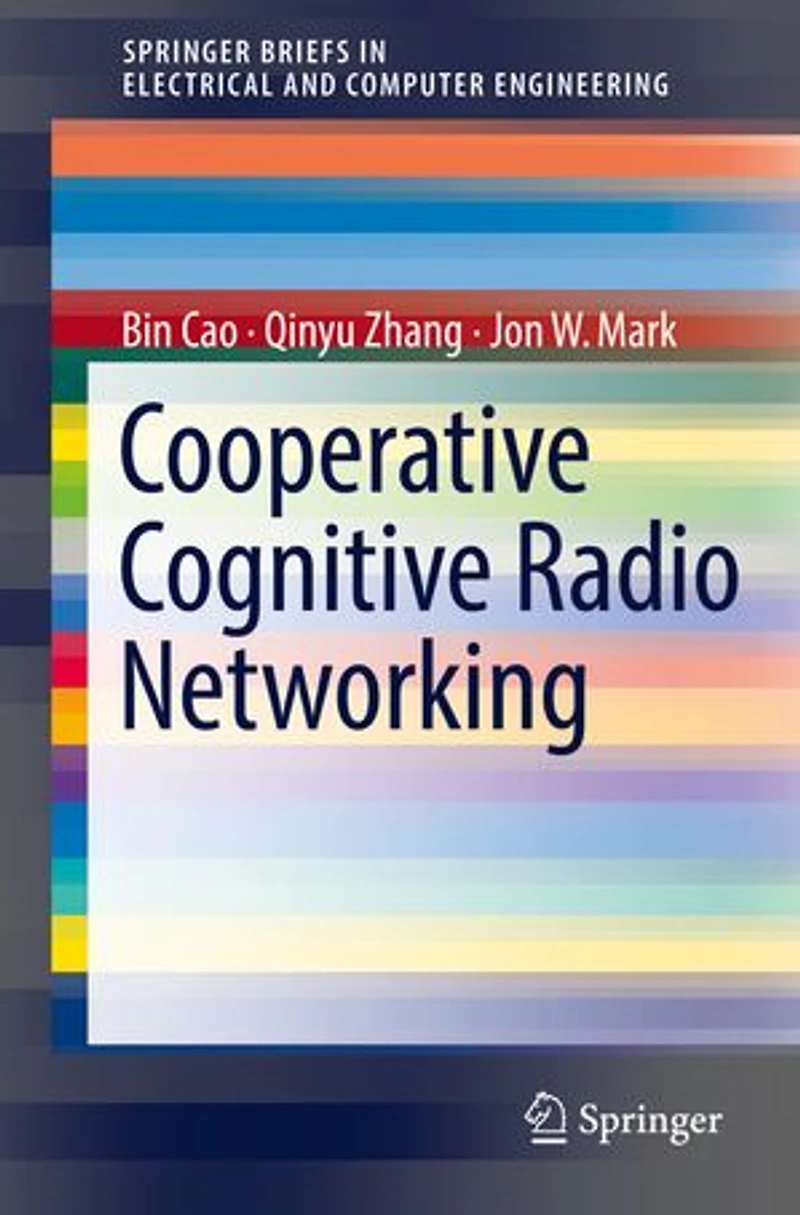
Cooperative Cognitive Radio Networking: System Model, Enabling Techniques, And Performance
Current price: $64.49
Original price: $80.62

Cooperative Cognitive Radio Networking: System Model, Enabling Techniques, And Performance
Current price: $64.49
Original price: $80.62
Loading Inventory...
Size: Kobo eBook
*Product information may vary - to confirm product availability, pricing, shipping and return information please contact Indigo
This SpringerBrief examines the active cooperation between users of Cooperative Cognitive Radio Networking (CCRN), exploring the system model, enabling techniques, and performance. The brief provides a systematic study on active cooperation between primary users and secondary users, i.e., (CCRN), followed by the discussions on research issues and challenges in designing spectrum-energy efficient CCRN. As an effort to shed light on the design of spectrum-energy efficient CCRN, they model the CCRN based on orthogonal modulation and orthogonally dual-polarized antenna (ODPA). The resource allocation issues are detailed with respect to both models, in terms of problem formulation, solution approach, and numerical results. Finally, the optimal communication strategies for both primary and secondary users to achieve spectrum-energy efficient CCRN are analyzed.
This SpringerBrief examines the active cooperation between users of Cooperative Cognitive Radio Networking (CCRN), exploring the system model, enabling techniques, and performance. The brief provides a systematic study on active cooperation between primary users and secondary users, i.e., (CCRN), followed by the discussions on research issues and challenges in designing spectrum-energy efficient CCRN. As an effort to shed light on the design of spectrum-energy efficient CCRN, they model the CCRN based on orthogonal modulation and orthogonally dual-polarized antenna (ODPA). The resource allocation issues are detailed with respect to both models, in terms of problem formulation, solution approach, and numerical results. Finally, the optimal communication strategies for both primary and secondary users to achieve spectrum-energy efficient CCRN are analyzed.
You May Also Like











More About Indigo at Erin Mills Town Centre
The largest book retailer in Canada also offers toys, music, home décor, gifts and lifestyle products. What's Inside...Books, Magazines, CD’s and DVD’s, Toys and Gifts, Home Accents, Electronics, Baby’s and Children’s Section, Bath and Body, Kitchen and Bedroom, Stationary Located outside in the exterior plaza.
5015 Glen Erin Dr, Mississauga, ON L5M 0R7, Canada
Find Indigo at Erin Mills Town Centre in Mississauga ON
Visit Indigo at Erin Mills Town Centre in Mississauga ON