

GIVE THE PERFECT GIFT
Erin Mills Town Centre Gift Cards are the perfect choice for your gift giving needs.Purchase gift cards at kiosks near the food court or centre court, at Guest Services, or click below to purchase online.PURCHASE HEREHome
Cooperative Complexity: The Next Level of Global Economic Governance
Indigo
Loading Inventory...
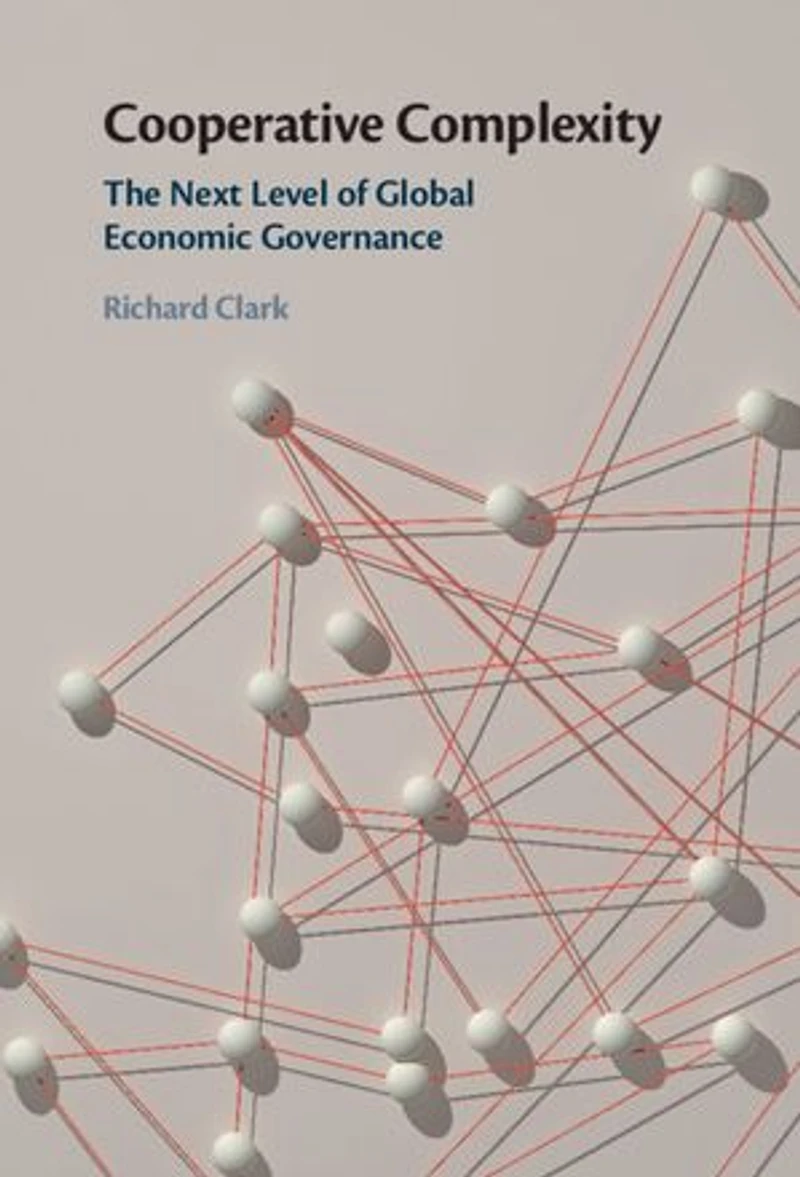
Cooperative Complexity: The Next Level of Global Economic Governance
Current price: $110.39
Original price: $137.95

Cooperative Complexity: The Next Level of Global Economic Governance
Current price: $110.39
Original price: $137.95
Loading Inventory...
Size: Kobo eBook
*Product information may vary - to confirm product availability, pricing, shipping and return information please contact Indigo
Over the course of the twentieth century, states engaged in cooperation through international organizations at unprecedented levels. However, the twenty-first century has featured the emergence of next-level forms of cooperation: international organizations working together. This pattern is especially apparent among economic international organizations, which often pool resources and expertise to jointly implement programs in member state territories. Cooperative Complexity argues that such cooperation is politically efficient but not necessarily economically efficient; it helps geopolitically aligned organizations enforce their preferred policies but can drive inefficient economic outcomes. Combining a general theoretical model with quantitative, qualitative, and experimental research designs, this book disentangles the complex ties that connect international organizations. In doing so, it reveals how a deeper understanding of the supply side of international finance is critical for gaining insights about the form, effectiveness, and likely future of global economic governance.
Over the course of the twentieth century, states engaged in cooperation through international organizations at unprecedented levels. However, the twenty-first century has featured the emergence of next-level forms of cooperation: international organizations working together. This pattern is especially apparent among economic international organizations, which often pool resources and expertise to jointly implement programs in member state territories. Cooperative Complexity argues that such cooperation is politically efficient but not necessarily economically efficient; it helps geopolitically aligned organizations enforce their preferred policies but can drive inefficient economic outcomes. Combining a general theoretical model with quantitative, qualitative, and experimental research designs, this book disentangles the complex ties that connect international organizations. In doing so, it reveals how a deeper understanding of the supply side of international finance is critical for gaining insights about the form, effectiveness, and likely future of global economic governance.
You May Also Like
















More About Indigo at Erin Mills Town Centre
The largest book retailer in Canada also offers toys, music, home décor, gifts and lifestyle products. What's Inside...Books, Magazines, CD’s and DVD’s, Toys and Gifts, Home Accents, Electronics, Baby’s and Children’s Section, Bath and Body, Kitchen and Bedroom, Stationary Located outside in the exterior plaza.
5015 Glen Erin Dr, Mississauga, ON L5M 0R7, Canada
Find Indigo at Erin Mills Town Centre in Mississauga ON
Visit Indigo at Erin Mills Town Centre in Mississauga ON