

GIVE THE PERFECT GIFT
Erin Mills Town Centre Gift Cards are the perfect choice for your gift giving needs.Purchase gift cards at kiosks near the food court or centre court, at Guest Services, or click below to purchase online.PURCHASE HEREHome
Cooperative Connected And Automated Mobility (ccam): Technologies And Applications
Indigo
Loading Inventory...
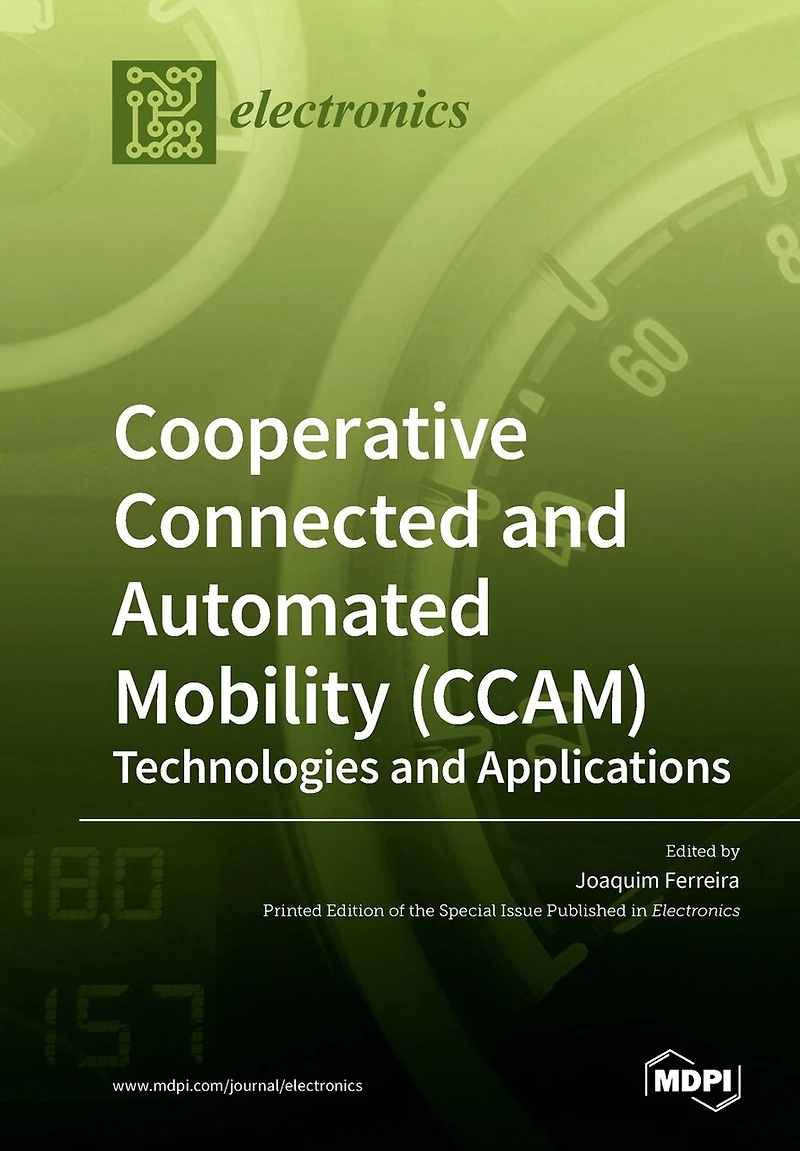
Cooperative Connected And Automated Mobility (ccam): Technologies And Applications
Current price: $61.20

Cooperative Connected And Automated Mobility (ccam): Technologies And Applications
Current price: $61.20
Loading Inventory...
Size: Paperback
*Product information may vary - to confirm product availability, pricing, shipping and return information please contact Indigo
Cooperative connected and automated mobility (CCAM) has the potential to reshape the transportation ecosystem in a revolutionary way. Transportation systems will be safer, more efficient and more comfortable. Cars are going to be the third living space, as passengers will have the freedom to use their car to live, work and travel. Despite the massive effort devoted, both by academia and industry, to developing connected and automated vehicles, there are still many issues to be addressed, including not only scientific and technological, but also regulatory and political issues. This book, mostly centered on the scientific and technological aspects of CCAMs, features seven articles highlighting recent advances of the state of the art in different CCAM technologies. Two papers address vehicular platooning, a key application for day-1 automated driving, other presents a scheme to improve the resource utilization of vehicular networks, while another paper addresses critical train communications, proposing an architecture based on 5G, SDN and MPTCP to provide path diversity and end-to-end redundancy. One paper describes the status of roadside deployment activities and analyzes the policies and practices of cooperative driving in the European Union. Finally, two review papers, one on congestion control techniques for VANETs and the other on fault tolerance techniques for vehicular networks, conclude the book.
Cooperative connected and automated mobility (CCAM) has the potential to reshape the transportation ecosystem in a revolutionary way. Transportation systems will be safer, more efficient and more comfortable. Cars are going to be the third living space, as passengers will have the freedom to use their car to live, work and travel. Despite the massive effort devoted, both by academia and industry, to developing connected and automated vehicles, there are still many issues to be addressed, including not only scientific and technological, but also regulatory and political issues. This book, mostly centered on the scientific and technological aspects of CCAMs, features seven articles highlighting recent advances of the state of the art in different CCAM technologies. Two papers address vehicular platooning, a key application for day-1 automated driving, other presents a scheme to improve the resource utilization of vehicular networks, while another paper addresses critical train communications, proposing an architecture based on 5G, SDN and MPTCP to provide path diversity and end-to-end redundancy. One paper describes the status of roadside deployment activities and analyzes the policies and practices of cooperative driving in the European Union. Finally, two review papers, one on congestion control techniques for VANETs and the other on fault tolerance techniques for vehicular networks, conclude the book.
You May Also Like








More About Indigo at Erin Mills Town Centre
The largest book retailer in Canada also offers toys, music, home décor, gifts and lifestyle products. What's Inside...Books, Magazines, CD’s and DVD’s, Toys and Gifts, Home Accents, Electronics, Baby’s and Children’s Section, Bath and Body, Kitchen and Bedroom, Stationary Located outside in the exterior plaza.
5015 Glen Erin Dr, Mississauga, ON L5M 0R7, Canada
Find Indigo at Erin Mills Town Centre in Mississauga ON
Visit Indigo at Erin Mills Town Centre in Mississauga ON