

GIVE THE PERFECT GIFT
Erin Mills Town Centre Gift Cards are the perfect choice for your gift giving needs.Purchase gift cards at kiosks near the food court or centre court, at Guest Services, or click below to purchase online.PURCHASE HEREHome
Cooperative Rule: Community Development Britain's Late Empire
Indigo
Loading Inventory...
Cooperative Rule: Community Development Britain's Late Empire
Current price: $122.46

Cooperative Rule: Community Development Britain's Late Empire
Current price: $122.46
Loading Inventory...
Size: Hardcover
*Product information may vary - to confirm product availability, pricing, shipping and return information please contact Indigo
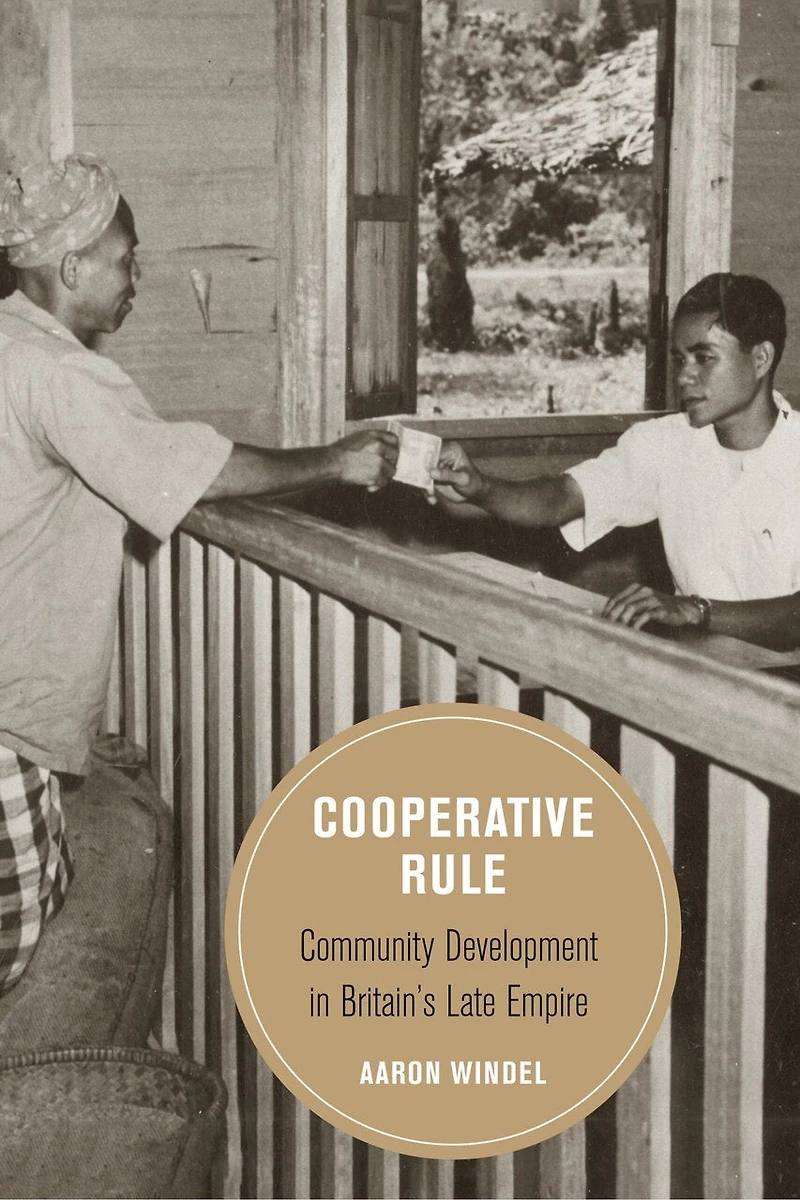
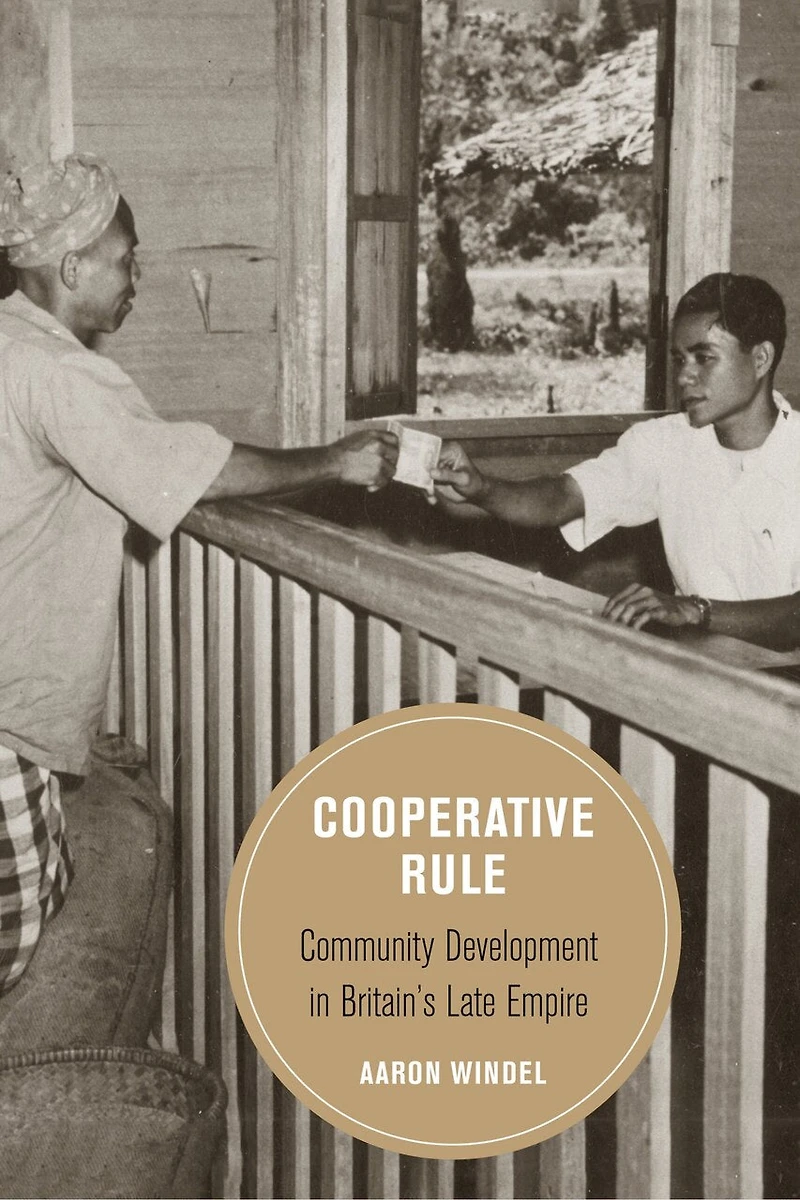
While many have interpreted the cooperative movement as propagating a radical alternative to capitalism, Cooperative Rule shows that in the late British Empire, cooperation became an important part of the armory of colonialism. The system was rooted in British rule in India at the end of the nineteenth century. Officials and experts saw cooperation as a unique solution to the problems of late colonialism, one able to both improve economic conditions and defuse anticolonial politics by allowing community uplift among the empire’s primarily rural inhabitants. A truly transcolonial history, this ambitious book examines the career of cooperation from South Asia to Eastern and Central Africa and finally to Britain. In tracing this history, Aaron Windel opens the door for a reconsideration of how the colonial uses of cooperation and community development influenced the reimagination of community in Europe and America from the 1960s onward.
While many have interpreted the cooperative movement as propagating a radical alternative to capitalism, Cooperative Rule shows that in the late British Empire, cooperation became an important part of the armory of colonialism. The system was rooted in British rule in India at the end of the nineteenth century. Officials and experts saw cooperation as a unique solution to the problems of late colonialism, one able to both improve economic conditions and defuse anticolonial politics by allowing community uplift among the empire’s primarily rural inhabitants. A truly transcolonial history, this ambitious book examines the career of cooperation from South Asia to Eastern and Central Africa and finally to Britain. In tracing this history, Aaron Windel opens the door for a reconsideration of how the colonial uses of cooperation and community development influenced the reimagination of community in Europe and America from the 1960s onward.
You May Also Like








More About Indigo at Erin Mills Town Centre
The largest book retailer in Canada also offers toys, music, home décor, gifts and lifestyle products. What's Inside...Books, Magazines, CD’s and DVD’s, Toys and Gifts, Home Accents, Electronics, Baby’s and Children’s Section, Bath and Body, Kitchen and Bedroom, Stationary Located outside in the exterior plaza.
5015 Glen Erin Dr, Mississauga, ON L5M 0R7, Canada
Find Indigo at Erin Mills Town Centre in Mississauga ON
Visit Indigo at Erin Mills Town Centre in Mississauga ON