

GIVE THE PERFECT GIFT
Erin Mills Town Centre Gift Cards are the perfect choice for your gift giving needs.Purchase gift cards at kiosks near the food court or centre court, at Guest Services, or click below to purchase online.PURCHASE HEREHome
Correlates Of Incarceration Rates - Explaining The Pattern Of Incarceration Between 1970 And 1979 - Final Report
Indigo
Loading Inventory...
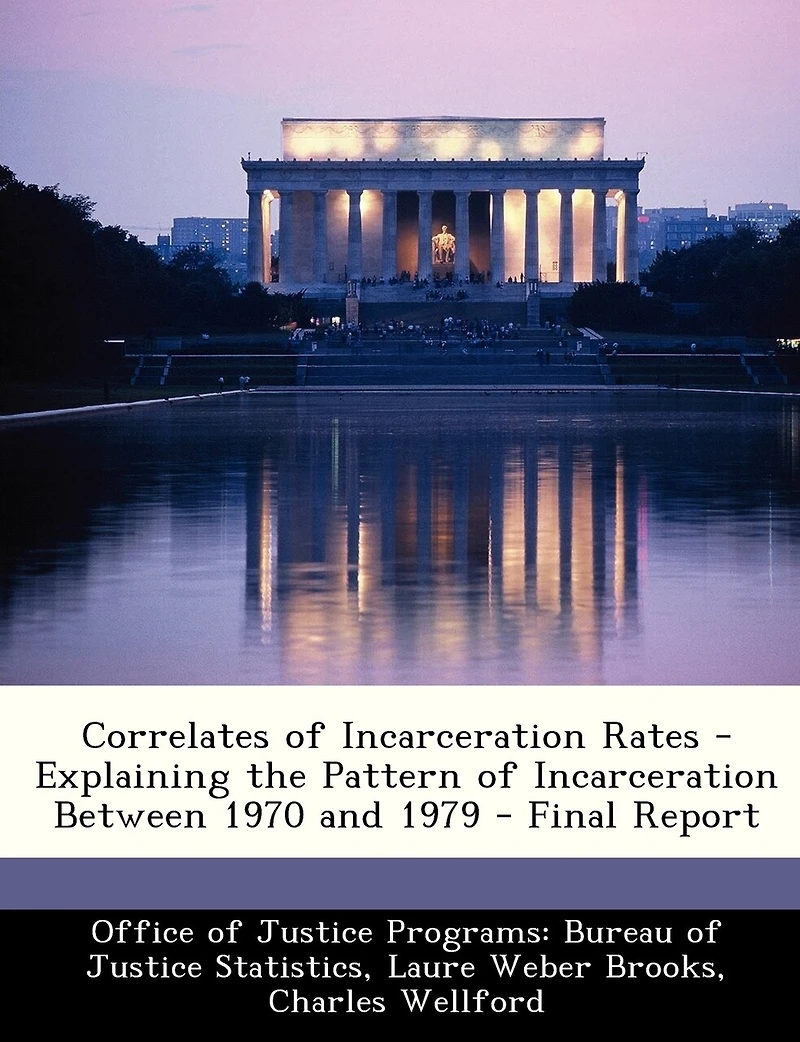
Correlates Of Incarceration Rates - Explaining The Pattern Of Incarceration Between 1970 And 1979 - Final Report
Current price: $19.50

Correlates Of Incarceration Rates - Explaining The Pattern Of Incarceration Between 1970 And 1979 - Final Report
Current price: $19.50
Loading Inventory...
Size: Paperback
*Product information may vary - to confirm product availability, pricing, shipping and return information please contact Indigo
Literature on the impact of incarceration rates of certain structural variables (age composition, unemployment rates, and regional location), crime variables (crime reports and arrests for violent and property crime), and legal variables (sentencing policies, use of alternatives to incarceration, and increases in prison capacity) is examined. Annual data collected on the 50 States from 1970 to 1979 are analyzed, and the variables considered in the analysis are discussed, including State incarceration rates, annual unemployment rates, and reported crime rates. The statistical technique of multiple regression is explained, and results of regression analysis are discussed. The growth in the imprisonment rate in the 1970's is found to be strongly associated with changes in demographic, structural, and legal characteristics. The level of crime and arrests (by type), percentage of the population aged 18 to 29, unemployment, sentencing practices, prison capacity changes, and parole use are shown to be significantly associated with imprisonment rates. These variables accounted for 34 to 58 percent of the variance in imprisonment rates. These results suggest that the growth in imprisonment rates partially reflects changes in the characteristics of crime, society, and criminal justice theory. Nine tables, 16 references, 5 notes, and an appendix of data sources are included.
Literature on the impact of incarceration rates of certain structural variables (age composition, unemployment rates, and regional location), crime variables (crime reports and arrests for violent and property crime), and legal variables (sentencing policies, use of alternatives to incarceration, and increases in prison capacity) is examined. Annual data collected on the 50 States from 1970 to 1979 are analyzed, and the variables considered in the analysis are discussed, including State incarceration rates, annual unemployment rates, and reported crime rates. The statistical technique of multiple regression is explained, and results of regression analysis are discussed. The growth in the imprisonment rate in the 1970's is found to be strongly associated with changes in demographic, structural, and legal characteristics. The level of crime and arrests (by type), percentage of the population aged 18 to 29, unemployment, sentencing practices, prison capacity changes, and parole use are shown to be significantly associated with imprisonment rates. These variables accounted for 34 to 58 percent of the variance in imprisonment rates. These results suggest that the growth in imprisonment rates partially reflects changes in the characteristics of crime, society, and criminal justice theory. Nine tables, 16 references, 5 notes, and an appendix of data sources are included.
You May Also Like






![1872-[1901] The Geology Of Minnesota: Vol. I[-vi] Of The Final Report](https://cdn.mall.adeptmind.ai/https%253A%252F%252Fcdn.shopify.com%252Fs%252Ffiles%252F1%252F0655%252F8980%252F5233%252Ffiles%252F1_bfaeaa65-8295-4786-a6e3-74c2bff4c986.jpg_medium.webp)










More About Indigo at Erin Mills Town Centre
The largest book retailer in Canada also offers toys, music, home décor, gifts and lifestyle products. What's Inside...Books, Magazines, CD’s and DVD’s, Toys and Gifts, Home Accents, Electronics, Baby’s and Children’s Section, Bath and Body, Kitchen and Bedroom, Stationary Located outside in the exterior plaza.
5015 Glen Erin Dr, Mississauga, ON L5M 0R7, Canada
Find Indigo at Erin Mills Town Centre in Mississauga ON
Visit Indigo at Erin Mills Town Centre in Mississauga ON