

GIVE THE PERFECT GIFT
Erin Mills Town Centre Gift Cards are the perfect choice for your gift giving needs.Purchase gift cards at kiosks near the food court or centre court, at Guest Services, or click below to purchase online.PURCHASE HEREHome
Corruption and the Voter's Decision: Experimental Evidence from Brazil
Indigo
Loading Inventory...
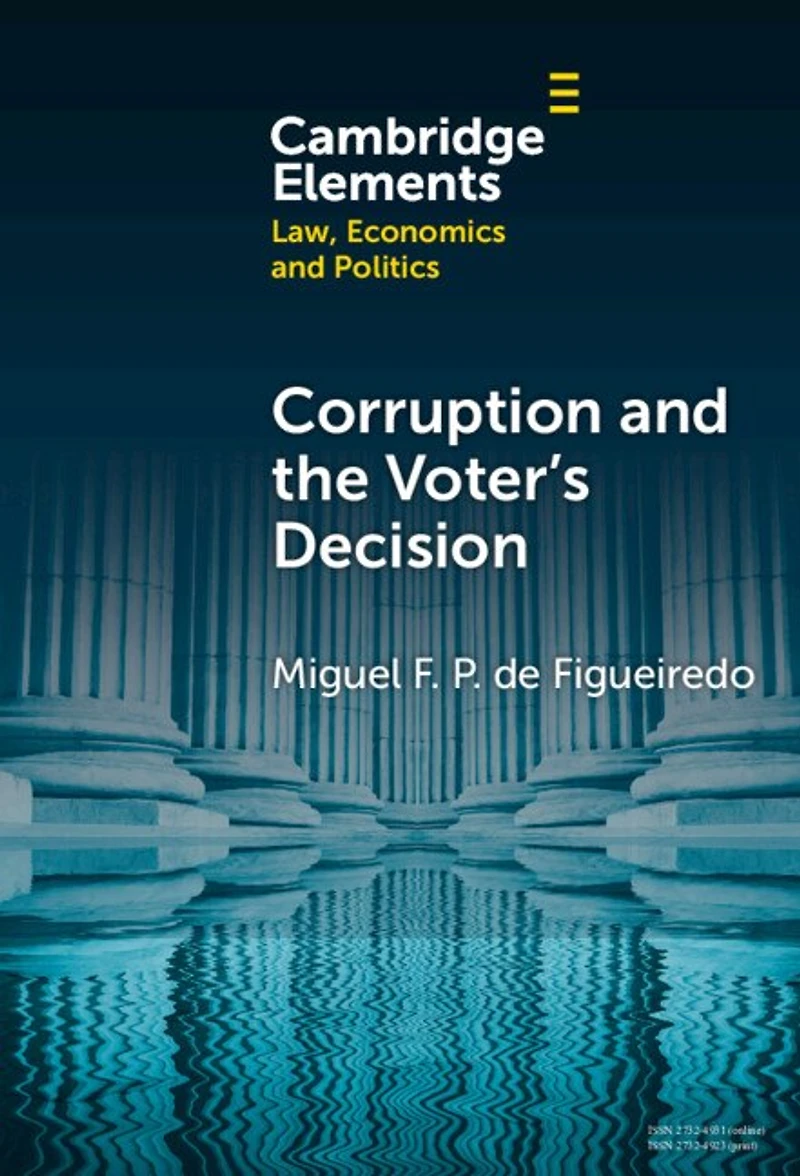
Corruption and the Voter's Decision: Experimental Evidence from Brazil
Current price: $94.73

Corruption and the Voter's Decision: Experimental Evidence from Brazil
Current price: $94.73
Loading Inventory...
Size: Hardcover
*Product information may vary - to confirm product availability, pricing, shipping and return information please contact Indigo
Despite voters' distaste for corruption, corrupt politicians frequently get reelected. This Element provides a framework for understanding when corrupt politicians are reelected. One unexplored source of electoral accountability is court rulings on candidate malfeasance, which are increasingly determining politicians' electoral prospects. The findings suggest that (1) low-income voters – in contrast to higher-income voters – are responsive to such rulings. Unlike earlier studies, we explore multiple trade-offs voters weigh when confronting corrupt candidates, including the candidate's party, policy positions, and personal attributes. The results also surprisingly show (2) low-income voters, like higher-income voters, weigh corruption allegations and policy positions similarly, and are slightly more responsive to candidate attributes. Moreover, irrespective of voter income, (3) party labels insulate candidates from corruption, and (4) candidate attributes like gender have little effect. The results have implications for when voters punish corrupt politicians, the success of anti-corruption campaigns, and the design and legitimacy of electoral institutions.
Despite voters' distaste for corruption, corrupt politicians frequently get reelected. This Element provides a framework for understanding when corrupt politicians are reelected. One unexplored source of electoral accountability is court rulings on candidate malfeasance, which are increasingly determining politicians' electoral prospects. The findings suggest that (1) low-income voters – in contrast to higher-income voters – are responsive to such rulings. Unlike earlier studies, we explore multiple trade-offs voters weigh when confronting corrupt candidates, including the candidate's party, policy positions, and personal attributes. The results also surprisingly show (2) low-income voters, like higher-income voters, weigh corruption allegations and policy positions similarly, and are slightly more responsive to candidate attributes. Moreover, irrespective of voter income, (3) party labels insulate candidates from corruption, and (4) candidate attributes like gender have little effect. The results have implications for when voters punish corrupt politicians, the success of anti-corruption campaigns, and the design and legitimacy of electoral institutions.
You May Also Like















More About Indigo at Erin Mills Town Centre
The largest book retailer in Canada also offers toys, music, home décor, gifts and lifestyle products. What's Inside...Books, Magazines, CD’s and DVD’s, Toys and Gifts, Home Accents, Electronics, Baby’s and Children’s Section, Bath and Body, Kitchen and Bedroom, Stationary Located outside in the exterior plaza.
5015 Glen Erin Dr, Mississauga, ON L5M 0R7, Canada
Find Indigo at Erin Mills Town Centre in Mississauga ON
Visit Indigo at Erin Mills Town Centre in Mississauga ON