

GIVE THE PERFECT GIFT
Erin Mills Town Centre Gift Cards are the perfect choice for your gift giving needs.Purchase gift cards at kiosks near the food court or centre court, at Guest Services, or click below to purchase online.PURCHASE HEREHome
Cosmopolitan Aspirations Contemporary Cinema
Indigo
Loading Inventory...
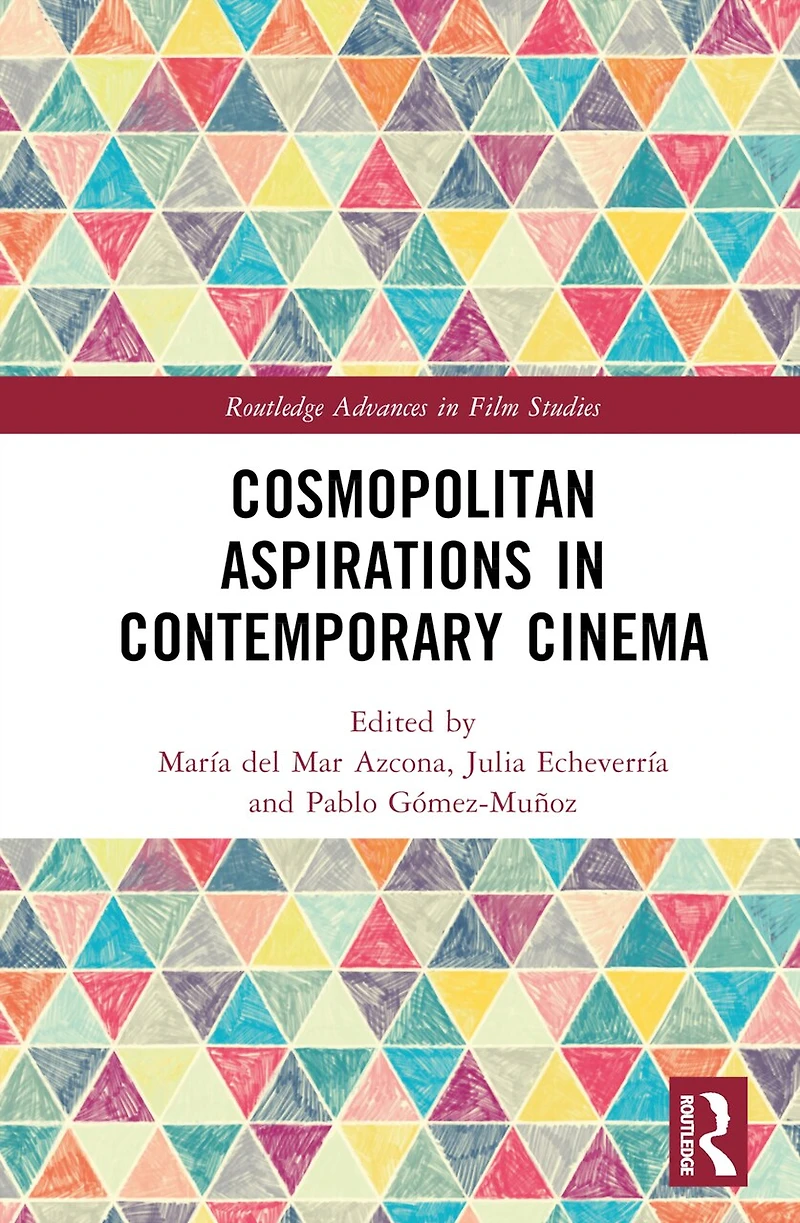
Cosmopolitan Aspirations Contemporary Cinema
Current price: $281.50

Cosmopolitan Aspirations Contemporary Cinema
Current price: $281.50
Loading Inventory...
Size: Hardcover
*Product information may vary - to confirm product availability, pricing, shipping and return information please contact Indigo
This book presents cosmopolitanism as a useful methodological approach to understand the transnational synergies present in contemporary cinema. In line with existing literature from the social sciences, the volume aims to contribute to the 'cosmopolitan turn' in cinema studies. It considers cosmopolitanism as, among others, a personal and social aspiration of social justice, world citizenship and celebration of difference; a notion to be criticised as elitist, Western, often imperialist, and homogenising; and an actually existing social practice characterised by contradiction, messiness and conflict. The chapters in this volume offer insights into the variety of sometimes contradictory discourses that arise from a cosmopolitan interpretation of a wide variety of film texts. Key topics explored in this book include borders, (im)mobilities, migration, race, class and film aesthetics. This book will be particularly useful to film studies scholars and students looking at transnational, global, world and decolonial cinemas and focusing on topics like borders, migration and multiculturalism in film. This book will also appeal to academic communities studying media, literature, mobilities, geopolitics, sociology and the social sciences in general.
This book presents cosmopolitanism as a useful methodological approach to understand the transnational synergies present in contemporary cinema. In line with existing literature from the social sciences, the volume aims to contribute to the 'cosmopolitan turn' in cinema studies. It considers cosmopolitanism as, among others, a personal and social aspiration of social justice, world citizenship and celebration of difference; a notion to be criticised as elitist, Western, often imperialist, and homogenising; and an actually existing social practice characterised by contradiction, messiness and conflict. The chapters in this volume offer insights into the variety of sometimes contradictory discourses that arise from a cosmopolitan interpretation of a wide variety of film texts. Key topics explored in this book include borders, (im)mobilities, migration, race, class and film aesthetics. This book will be particularly useful to film studies scholars and students looking at transnational, global, world and decolonial cinemas and focusing on topics like borders, migration and multiculturalism in film. This book will also appeal to academic communities studying media, literature, mobilities, geopolitics, sociology and the social sciences in general.
You May Also Like











More About Indigo at Erin Mills Town Centre
The largest book retailer in Canada also offers toys, music, home décor, gifts and lifestyle products. What's Inside...Books, Magazines, CD’s and DVD’s, Toys and Gifts, Home Accents, Electronics, Baby’s and Children’s Section, Bath and Body, Kitchen and Bedroom, Stationary Located outside in the exterior plaza.
5015 Glen Erin Dr, Mississauga, ON L5M 0R7, Canada
Find Indigo at Erin Mills Town Centre in Mississauga ON
Visit Indigo at Erin Mills Town Centre in Mississauga ON