

GIVE THE PERFECT GIFT
Erin Mills Town Centre Gift Cards are the perfect choice for your gift giving needs.Purchase gift cards at kiosks near the food court or centre court, at Guest Services, or click below to purchase online.PURCHASE HEREHome
Counterpoints Fractal Modernities: Essays Plural Postcolonialities
Indigo
Loading Inventory...
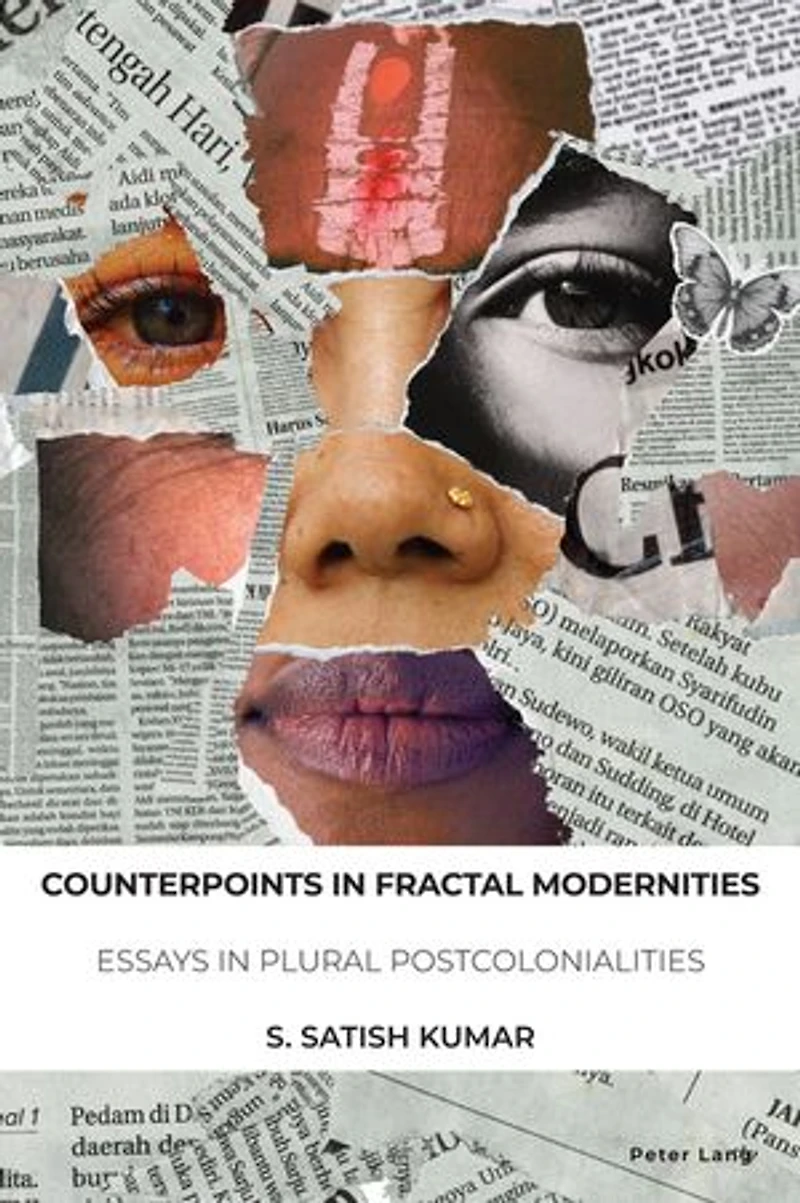
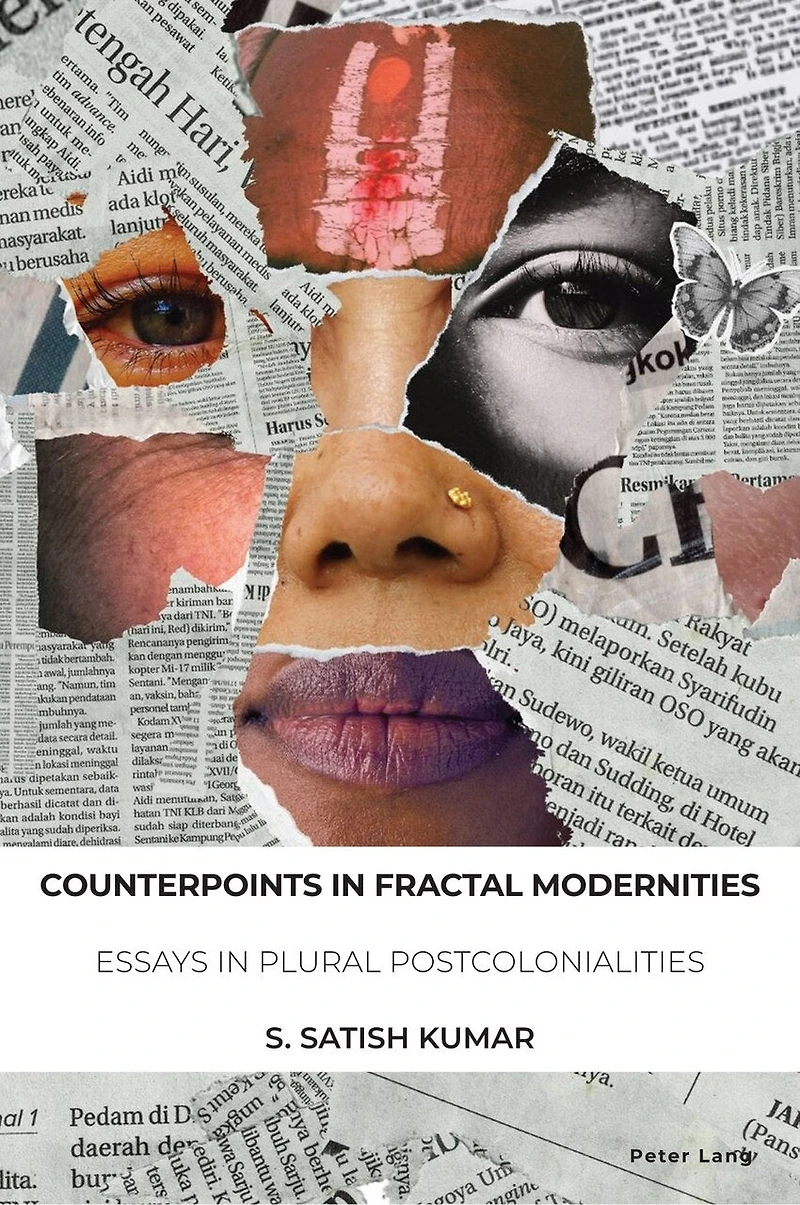
Counterpoints Fractal Modernities: Essays Plural Postcolonialities
Current price: $69.49
Original price: $86.79

Counterpoints Fractal Modernities: Essays Plural Postcolonialities
Current price: $69.49
Original price: $86.79
Loading Inventory...
Size: Kobo eBook
*Product information may vary - to confirm product availability, pricing, shipping and return information please contact Indigo
This book explores the postcolonial modern across South Asian literatures and cultures, while demonstrating that postcoloniality is an ongoing lived experience and that modernity has always been a many-voiced historical reality. It contends that our realities and our sense of a location within them have always comprised an experiential manyness of time and space that cannot forcibly be reconciled into identities that are singularly imagined. Therefore, whether viewed historically or experientially, categories such as modernity, postcoloniality, nationhood, or gender cannot be understood singularly. The author reflects on such core tensions within representations and theorizations of postcoloniality. They contemplate possibilities for a lexicon that encompasses the vast polyvalences and precarities that constitute our being, thinking and pursuits of joy and dignity from locations within the postcolonies, and through it the tangible labors of anticolonial thought and decolonization.
This book explores the postcolonial modern across South Asian literatures and cultures, while demonstrating that postcoloniality is an ongoing lived experience and that modernity has always been a many-voiced historical reality. It contends that our realities and our sense of a location within them have always comprised an experiential manyness of time and space that cannot forcibly be reconciled into identities that are singularly imagined. Therefore, whether viewed historically or experientially, categories such as modernity, postcoloniality, nationhood, or gender cannot be understood singularly. The author reflects on such core tensions within representations and theorizations of postcoloniality. They contemplate possibilities for a lexicon that encompasses the vast polyvalences and precarities that constitute our being, thinking and pursuits of joy and dignity from locations within the postcolonies, and through it the tangible labors of anticolonial thought and decolonization.
You May Also Like









More About Indigo at Erin Mills Town Centre
The largest book retailer in Canada also offers toys, music, home décor, gifts and lifestyle products. What's Inside...Books, Magazines, CD’s and DVD’s, Toys and Gifts, Home Accents, Electronics, Baby’s and Children’s Section, Bath and Body, Kitchen and Bedroom, Stationary Located outside in the exterior plaza.
5015 Glen Erin Dr, Mississauga, ON L5M 0R7, Canada
Find Indigo at Erin Mills Town Centre in Mississauga ON
Visit Indigo at Erin Mills Town Centre in Mississauga ON