

GIVE THE PERFECT GIFT
Erin Mills Town Centre Gift Cards are the perfect choice for your gift giving needs.Purchase gift cards at kiosks near the food court or centre court, at Guest Services, or click below to purchase online.PURCHASE HEREHome
Counting Matters: Policy, Practice, and the Limits of Gender Equality Measurement Canada
Indigo
Loading Inventory...
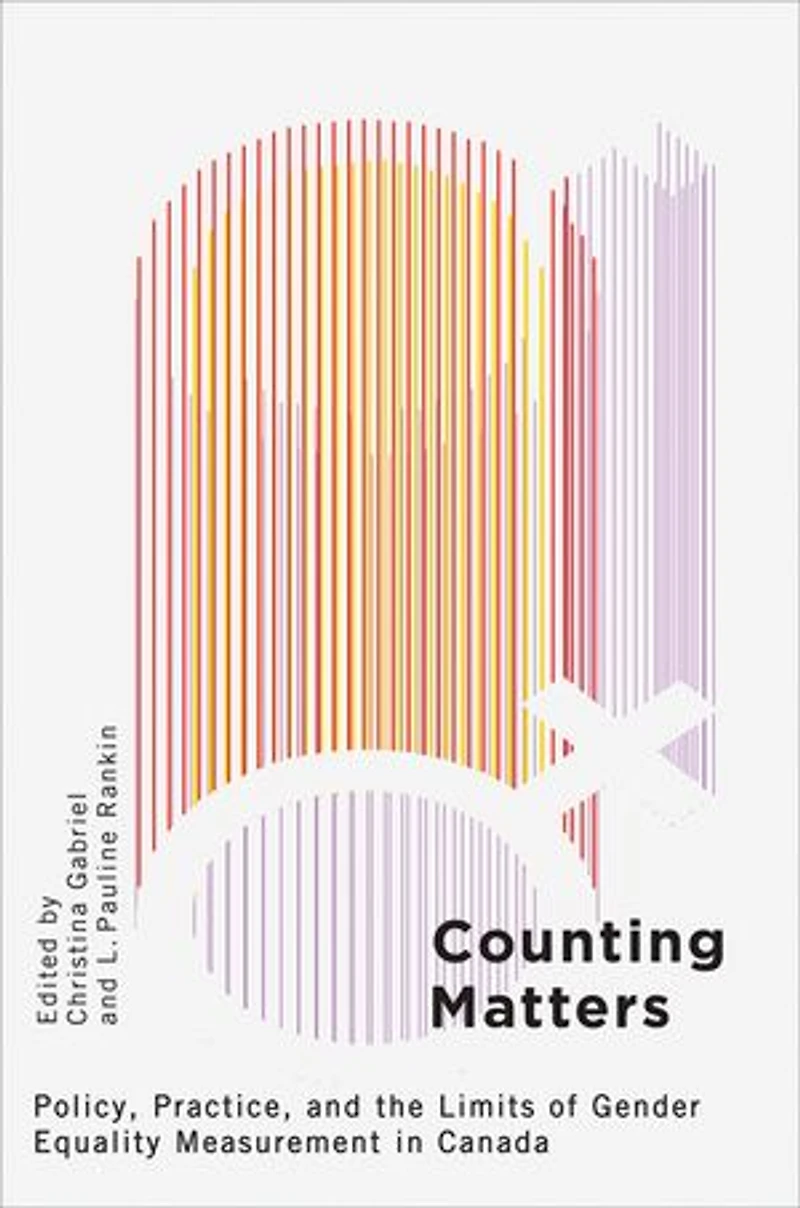
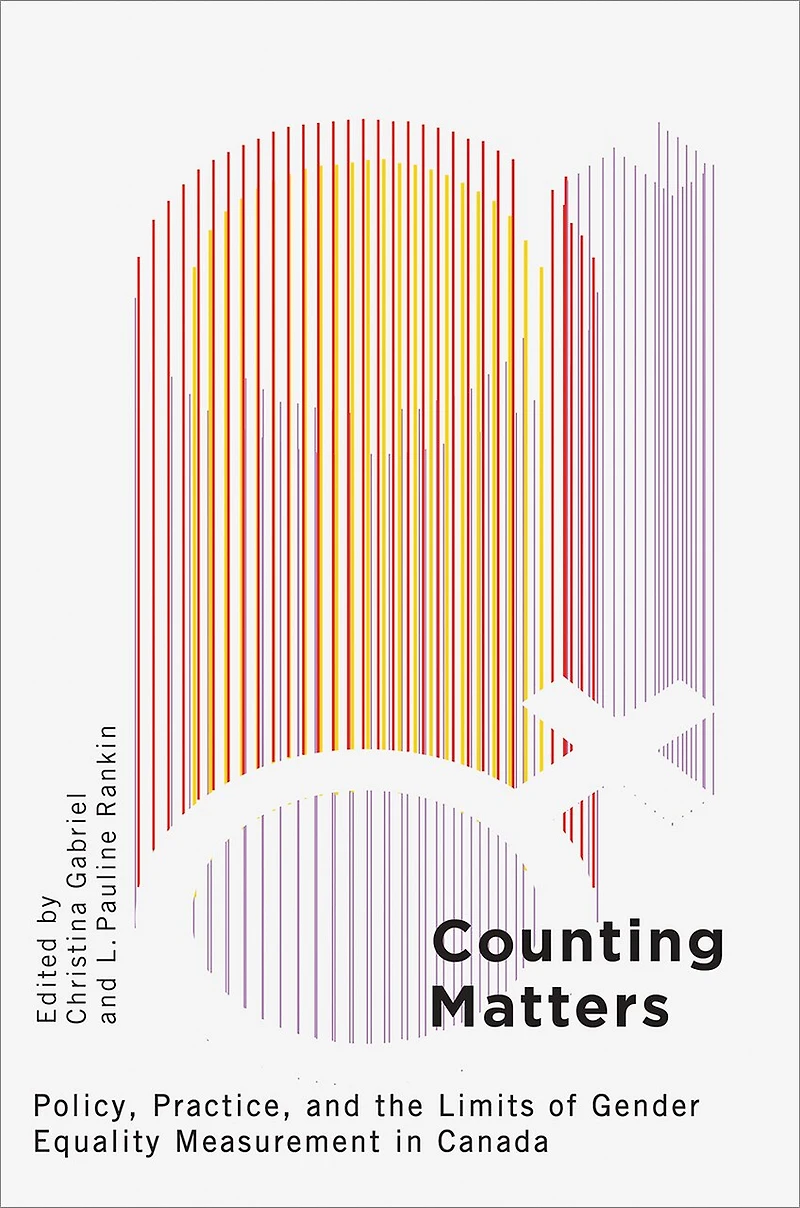
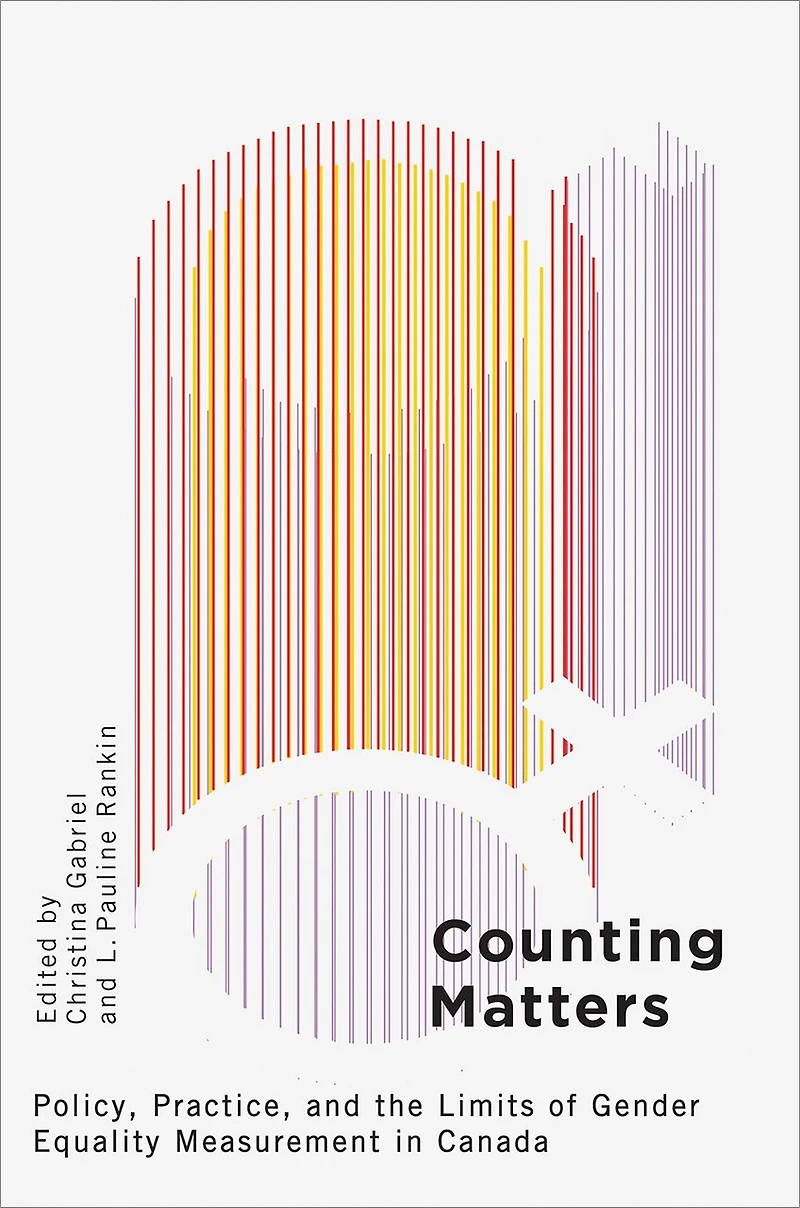
Counting Matters: Policy, Practice, and the Limits of Gender Equality Measurement Canada
Current price: $27.99
Original price: $34.95

Counting Matters: Policy, Practice, and the Limits of Gender Equality Measurement Canada
Current price: $27.99
Original price: $34.95
Loading Inventory...
Size: Kobo eBook
*Product information may vary - to confirm product availability, pricing, shipping and return information please contact Indigo
Counting Matters examines the ways in which the rise of gender equality measurement contributes to, but falls short of, effective gender equality policy implementation.
As technocrats adopt often contextless indices, questions of the theoretical and practical limitations of measurement arise, especially as they pertain to social and cultural relations.
The indicators being produced influence the allocation of resources as political decisions but are themselves part of a power regime based on the collection and analysis of data, a regime that obfuscates biases and the agendas behind the statistics.
The book’s contributors pose critical questions of the ways in which measurement culture manifests within the field of gender equality, asking how it is measured in different policy areas, how we might improve existing practices, and what is revealed through the examination and critique of the “technical turn” in policies that purport to promote gender equality.
Counting Matters examines the ways in which the rise of gender equality measurement contributes to, but falls short of, effective gender equality policy implementation.
As technocrats adopt often contextless indices, questions of the theoretical and practical limitations of measurement arise, especially as they pertain to social and cultural relations.
The indicators being produced influence the allocation of resources as political decisions but are themselves part of a power regime based on the collection and analysis of data, a regime that obfuscates biases and the agendas behind the statistics.
The book’s contributors pose critical questions of the ways in which measurement culture manifests within the field of gender equality, asking how it is measured in different policy areas, how we might improve existing practices, and what is revealed through the examination and critique of the “technical turn” in policies that purport to promote gender equality.
You May Also Like









More About Indigo at Erin Mills Town Centre
The largest book retailer in Canada also offers toys, music, home décor, gifts and lifestyle products. What's Inside...Books, Magazines, CD’s and DVD’s, Toys and Gifts, Home Accents, Electronics, Baby’s and Children’s Section, Bath and Body, Kitchen and Bedroom, Stationary Located outside in the exterior plaza.
5015 Glen Erin Dr, Mississauga, ON L5M 0R7, Canada
Find Indigo at Erin Mills Town Centre in Mississauga ON
Visit Indigo at Erin Mills Town Centre in Mississauga ON