

GIVE THE PERFECT GIFT
Erin Mills Town Centre Gift Cards are the perfect choice for your gift giving needs.Purchase gift cards at kiosks near the food court or centre court, at Guest Services, or click below to purchase online.PURCHASE HEREHome
Courageous Vulnerability: Ethics and Knowledge in Proust, Bergson, Marcel, and James
Indigo
Loading Inventory...
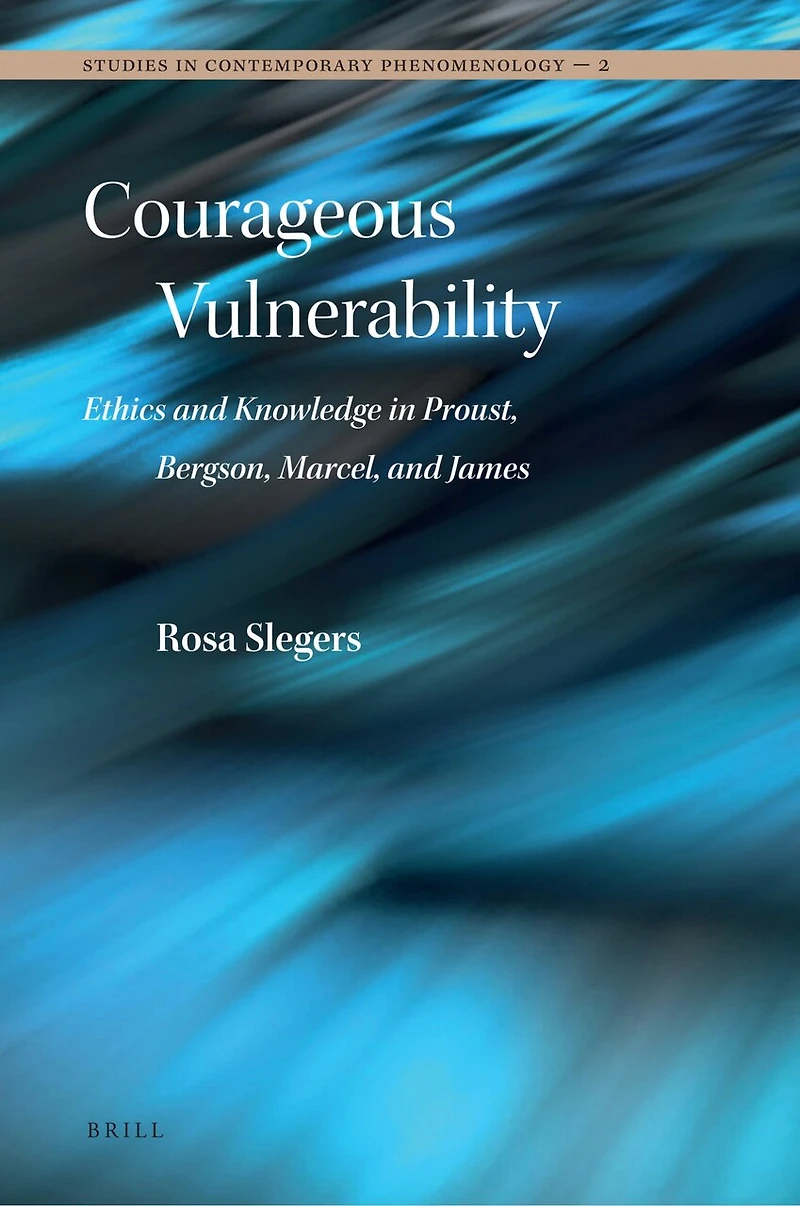
Courageous Vulnerability: Ethics and Knowledge in Proust, Bergson, Marcel, and James
Current price: $237.99

Courageous Vulnerability: Ethics and Knowledge in Proust, Bergson, Marcel, and James
Current price: $237.99
Loading Inventory...
Size: Hardcover
*Product information may vary - to confirm product availability, pricing, shipping and return information please contact Indigo
This work develops the ethical attitude of courageous vulnerability through the integration of Marcel Proust's novel In Search of Lost Time and the philosophies of Henri Bergson, William James, and Gabriel Marcel. Central to the discussion is the phenomenon of involuntary memory, taken from common experience but “discovered” and made visible by Proust. Through the connection between a variety of themes from both Continental and American schools of thought such as Bergson's phenomenological account of the artist, James' "will to believe," and Marcel's "creative fidelity," the courageously vulnerable individual is shown to take seriously the ethical implications of the knowledge gained from involuntary memories and similar "privileged moments," and do justice to the "something more" which, though part of our experience of ourselves and others, escapes rigid philosophical analysis.
This work develops the ethical attitude of courageous vulnerability through the integration of Marcel Proust's novel In Search of Lost Time and the philosophies of Henri Bergson, William James, and Gabriel Marcel. Central to the discussion is the phenomenon of involuntary memory, taken from common experience but “discovered” and made visible by Proust. Through the connection between a variety of themes from both Continental and American schools of thought such as Bergson's phenomenological account of the artist, James' "will to believe," and Marcel's "creative fidelity," the courageously vulnerable individual is shown to take seriously the ethical implications of the knowledge gained from involuntary memories and similar "privileged moments," and do justice to the "something more" which, though part of our experience of ourselves and others, escapes rigid philosophical analysis.
You May Also Like










More About Indigo at Erin Mills Town Centre
The largest book retailer in Canada also offers toys, music, home décor, gifts and lifestyle products. What's Inside...Books, Magazines, CD’s and DVD’s, Toys and Gifts, Home Accents, Electronics, Baby’s and Children’s Section, Bath and Body, Kitchen and Bedroom, Stationary Located outside in the exterior plaza.
5015 Glen Erin Dr, Mississauga, ON L5M 0R7, Canada
Find Indigo at Erin Mills Town Centre in Mississauga ON
Visit Indigo at Erin Mills Town Centre in Mississauga ON