

GIVE THE PERFECT GIFT
Erin Mills Town Centre Gift Cards are the perfect choice for your gift giving needs.Purchase gift cards at kiosks near the food court or centre court, at Guest Services, or click below to purchase online.PURCHASE HEREHome
Courts in Conflict: Interpreting the Layers of Justice in Post-Genocide Rwanda
Indigo
Loading Inventory...
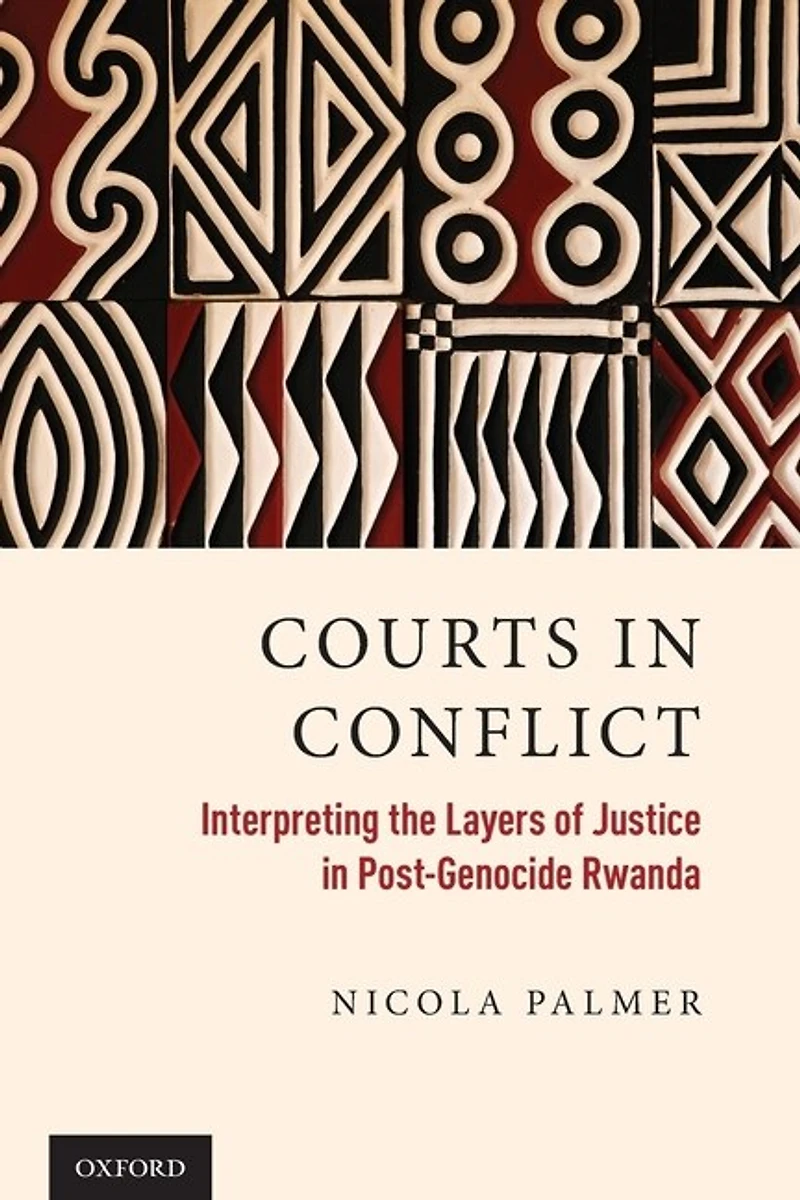
Courts in Conflict: Interpreting the Layers of Justice in Post-Genocide Rwanda
Current price: $47.95

Courts in Conflict: Interpreting the Layers of Justice in Post-Genocide Rwanda
Current price: $47.95
Loading Inventory...
Size: Paperback
*Product information may vary - to confirm product availability, pricing, shipping and return information please contact Indigo
The rise of international criminal trials has been accompanied by a call for domestic responses to extraordinary violence. Yet there is remarkably limited research on the interactions among local, national, and international transitional justice institutions. Rwanda offers an early example of multi-level courts operating in concert, through the concurrent practice of the United Nations International Criminal Tribunal for Rwanda (ICTR), the national Rwandan courts, and the gacaca community courts.
Courts in Conflict makes a crucial and timely contribution to the examination of these pluralist responses to atrocity at a juncture when holistic approaches are rapidly becoming the policy norm. Although Rwanda's post-genocide criminal courts are compatible in law, an interpretive cultural analysis shows how and why they have often conflicted in practice. The author's research is derived from 182 interviews with judges, lawyers, and a group of witnesses and suspects within all three of the post-genocide courts. This rich empirical material shows that the judges and lawyers inside each of the courts offer notably different interpretations of Rwanda's transitional justice processes, illuminating divergent legal cultures that help explain the constraints on the courts' effective cooperation and evidence gathering. The potential for similar competition between domestic and international justice processes is apparent in the current practice of the International Criminal Court (ICC). However, this competition can be mitigated through increased communication among the different sites of justice, fostering legal cultures of complementarity that can more effectively respond to the needs of affected populations.
The rise of international criminal trials has been accompanied by a call for domestic responses to extraordinary violence. Yet there is remarkably limited research on the interactions among local, national, and international transitional justice institutions. Rwanda offers an early example of multi-level courts operating in concert, through the concurrent practice of the United Nations International Criminal Tribunal for Rwanda (ICTR), the national Rwandan courts, and the gacaca community courts.
Courts in Conflict makes a crucial and timely contribution to the examination of these pluralist responses to atrocity at a juncture when holistic approaches are rapidly becoming the policy norm. Although Rwanda's post-genocide criminal courts are compatible in law, an interpretive cultural analysis shows how and why they have often conflicted in practice. The author's research is derived from 182 interviews with judges, lawyers, and a group of witnesses and suspects within all three of the post-genocide courts. This rich empirical material shows that the judges and lawyers inside each of the courts offer notably different interpretations of Rwanda's transitional justice processes, illuminating divergent legal cultures that help explain the constraints on the courts' effective cooperation and evidence gathering. The potential for similar competition between domestic and international justice processes is apparent in the current practice of the International Criminal Court (ICC). However, this competition can be mitigated through increased communication among the different sites of justice, fostering legal cultures of complementarity that can more effectively respond to the needs of affected populations.
You May Also Like








More About Indigo at Erin Mills Town Centre
The largest book retailer in Canada also offers toys, music, home décor, gifts and lifestyle products. What's Inside...Books, Magazines, CD’s and DVD’s, Toys and Gifts, Home Accents, Electronics, Baby’s and Children’s Section, Bath and Body, Kitchen and Bedroom, Stationary Located outside in the exterior plaza.
5015 Glen Erin Dr, Mississauga, ON L5M 0R7, Canada
Find Indigo at Erin Mills Town Centre in Mississauga ON
Visit Indigo at Erin Mills Town Centre in Mississauga ON